Winter is the quiet season, and that is exactly why it works
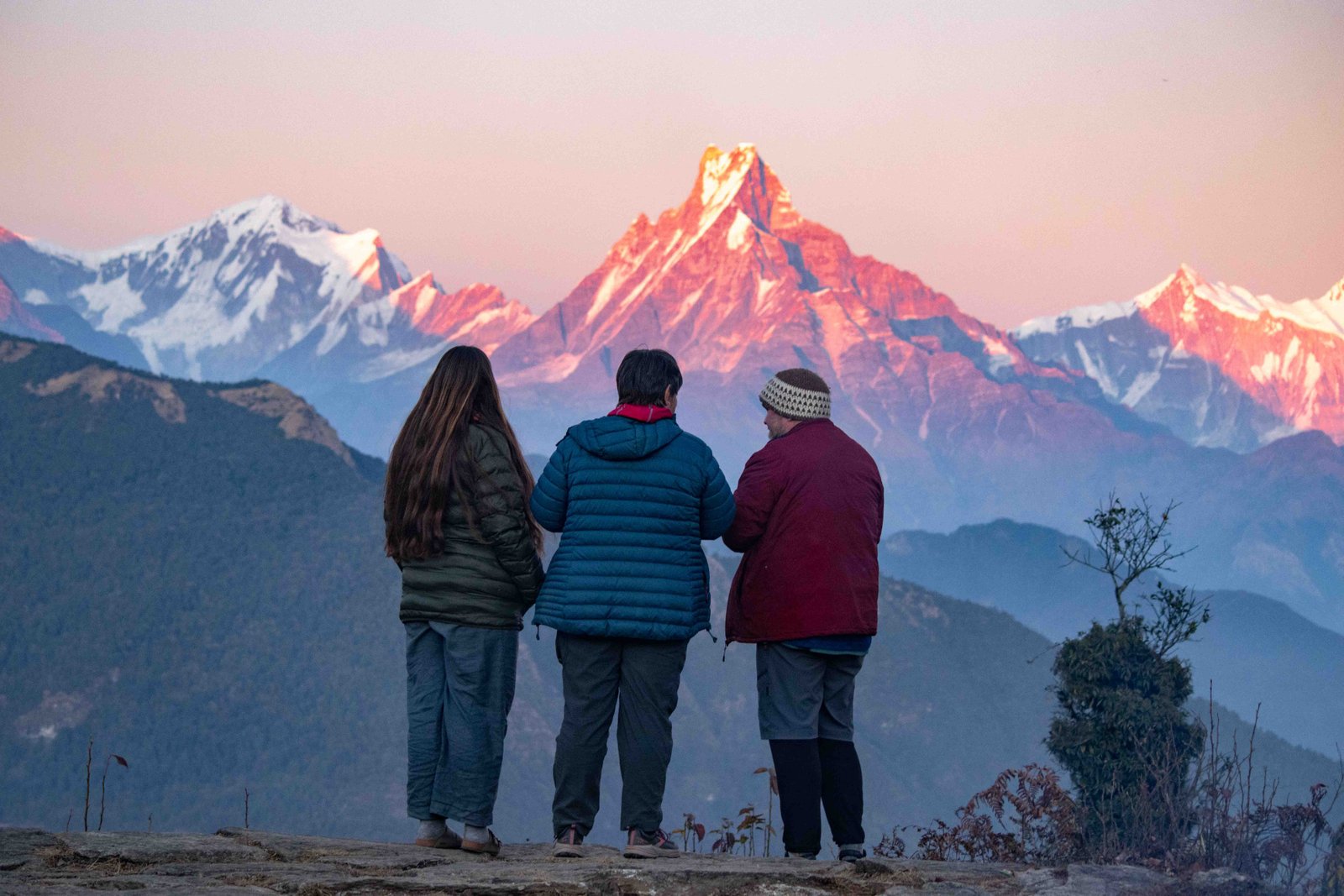
From December to February the air above Pokhara turns crisp and dry, the haze clears, and the Annapurna and Dhaulagiri ranges stand out sharper than at almost any other time of year.
Most trekkers come to Nepal in October and November or in spring, so winter trails are noticeably quieter. You share viewpoints with a handful of people instead of a crowd, teahouse and homestay owners have more time to sit and talk, and the evenings around the fire become part of the trip rather than something you squeeze in between dinner and bed.
Winter does ask for a little more planning. Nights are cold, days are shorter, and the high passes and base camps can be closed or risky after snowfall. That is why our picks below all stay below about 4,000 metres, close enough to Pokhara to be flexible if the weather turns, and high enough for big mountain views. Our favourite, and the one we know best, is the Kokhe Danda Trek in Parbat district.
Winter treks from Pokhara at a glance
All five routes start and finish in Pokhara. Durations are for our standard itineraries; the highest point is the top viewpoint on each route.
| Trek | Days | Highest point | Winter notes |
|---|---|---|---|
| Kokhe Danda | 5 (or 3) | 3,309 m | Warm family homestays, around -5 to -6°C at night in Haljure. Easiest winter choice. |
| Muldai Viewpoint | 6 | 3,637 m | Teahouses mostly open. Crampons needed after snowfall. |
| Khopra Ridge | 8 | 3,667 m | Community lodge open. Khayer Lake depends on snow; Khayer Khola restaurant closed. |
| Mardi Himal | 5 | About 4,000 m | Steep ridge above High Camp. Crampons needed after snowfall. |
| Multiple Viewpoints | 12–14 | Up to Khayer Lake | Combines all four. Khayer Lake section decided on the day. |
Winter pick 1Kokhe Danda: warm homestays, empty ridges and sunsets over Dhaulagiri
Best for: anyone who wants a short, easy winter trek with real village life, families, first-time trekkers and photographers chasing clear skies.
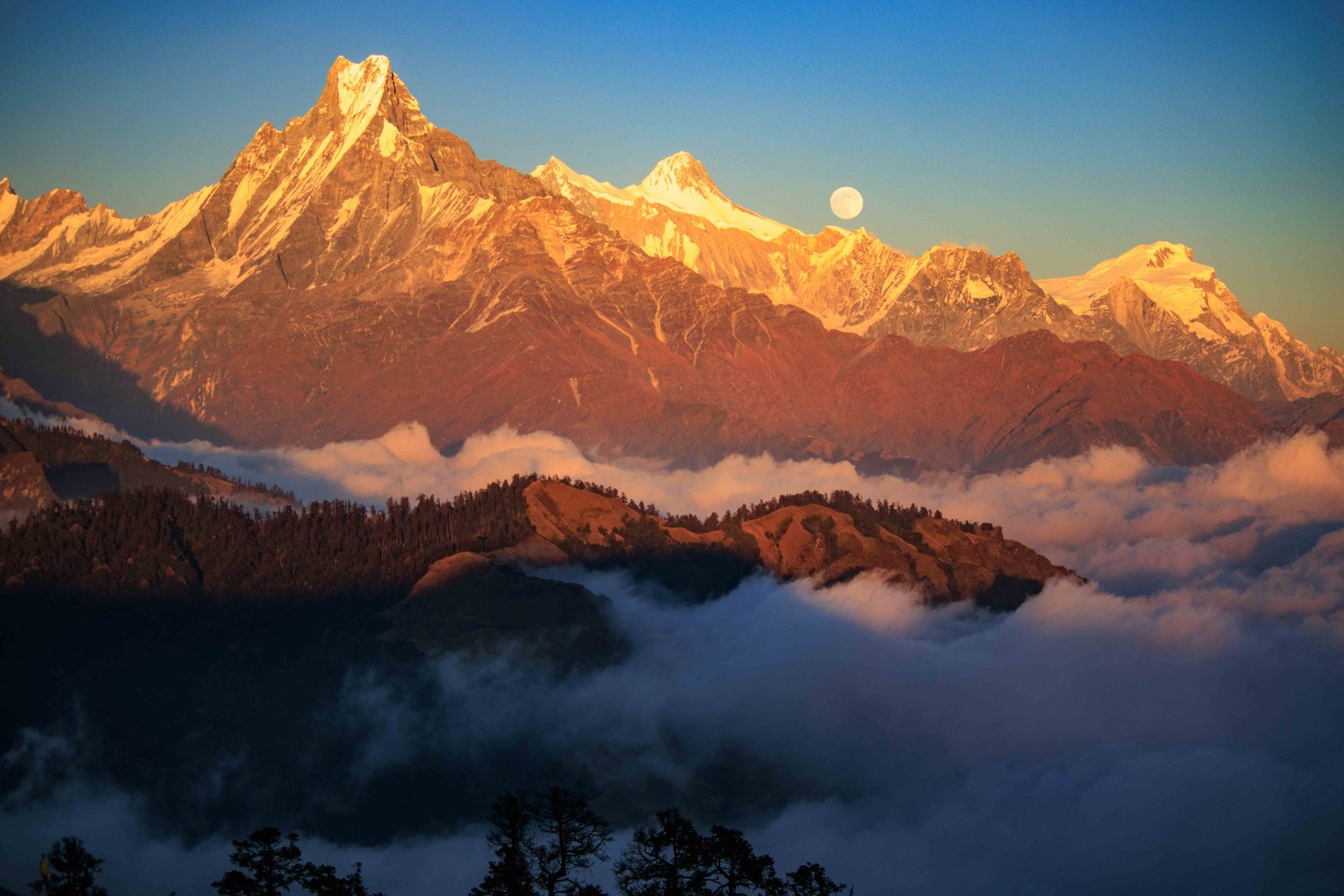
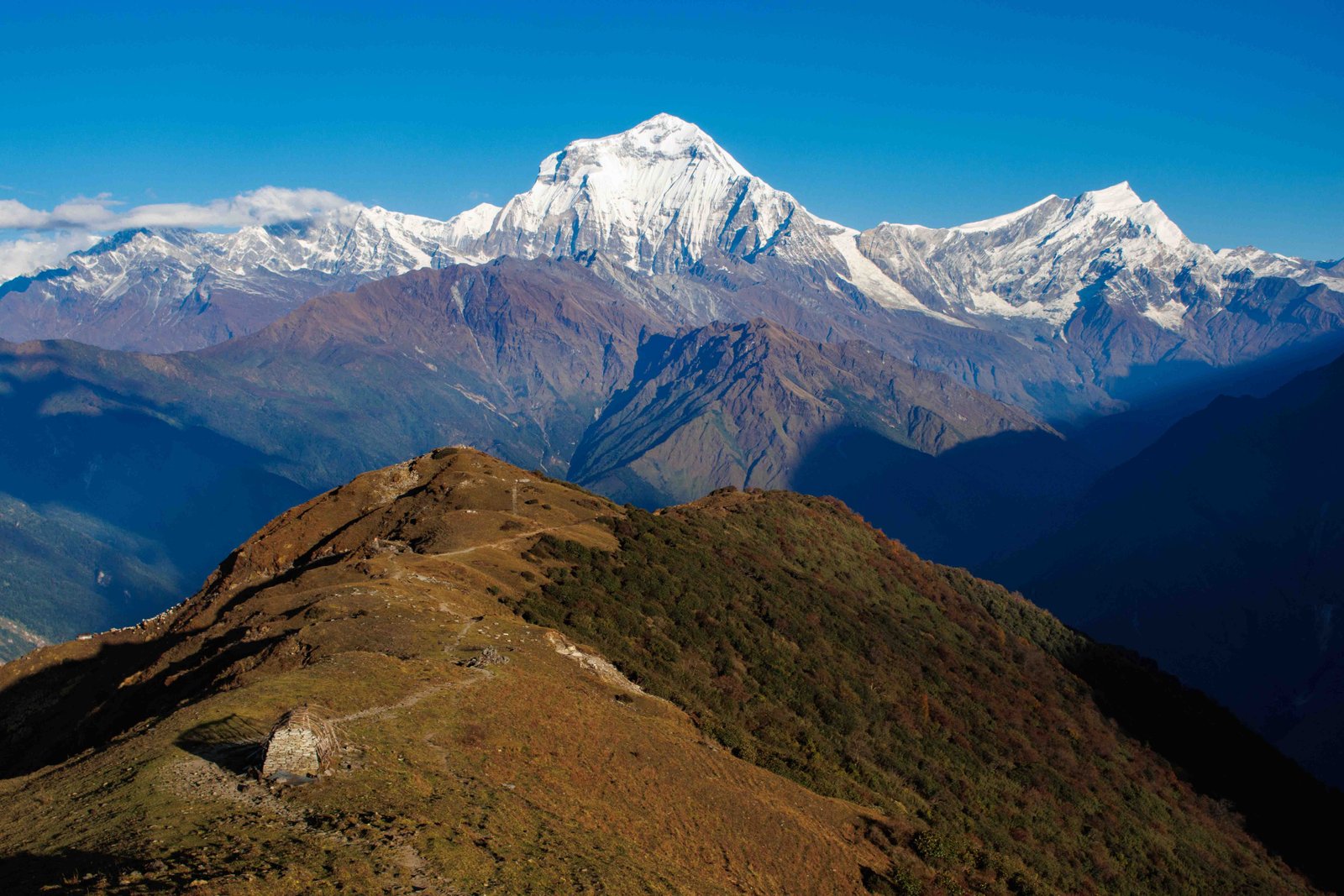
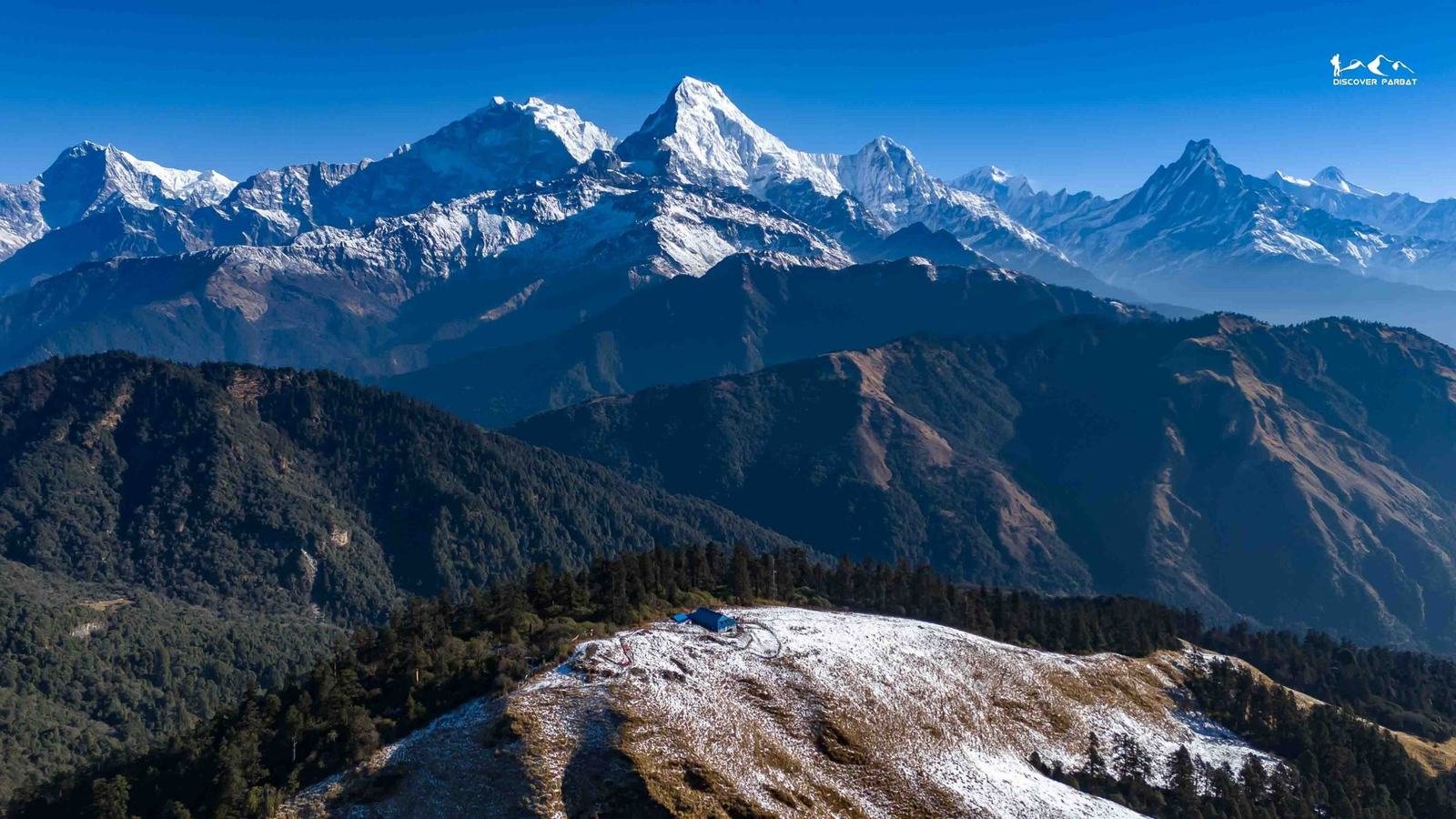
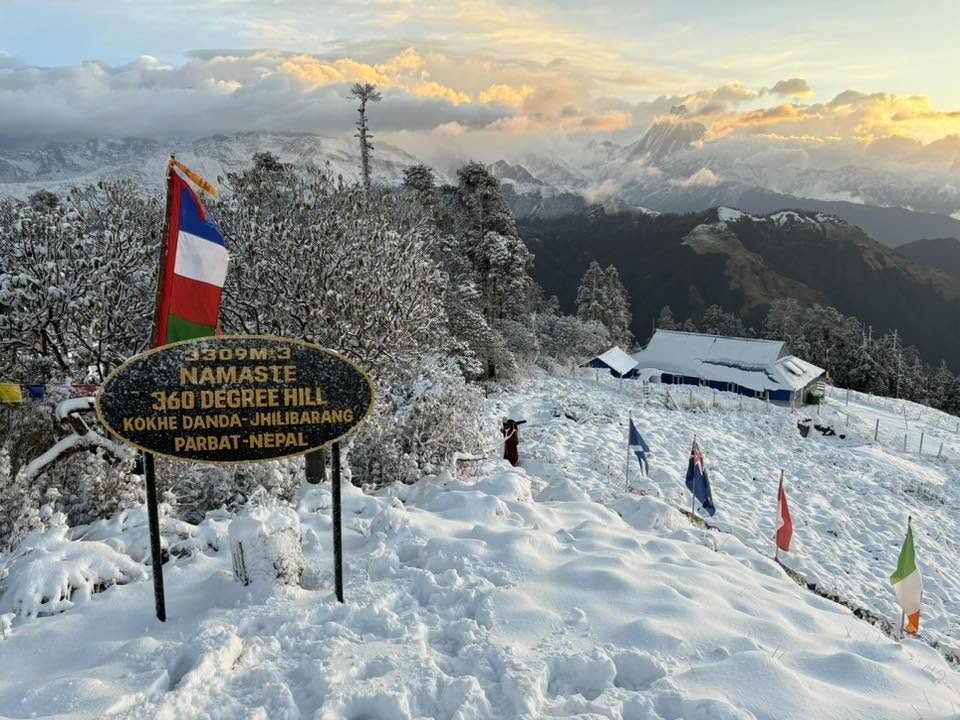
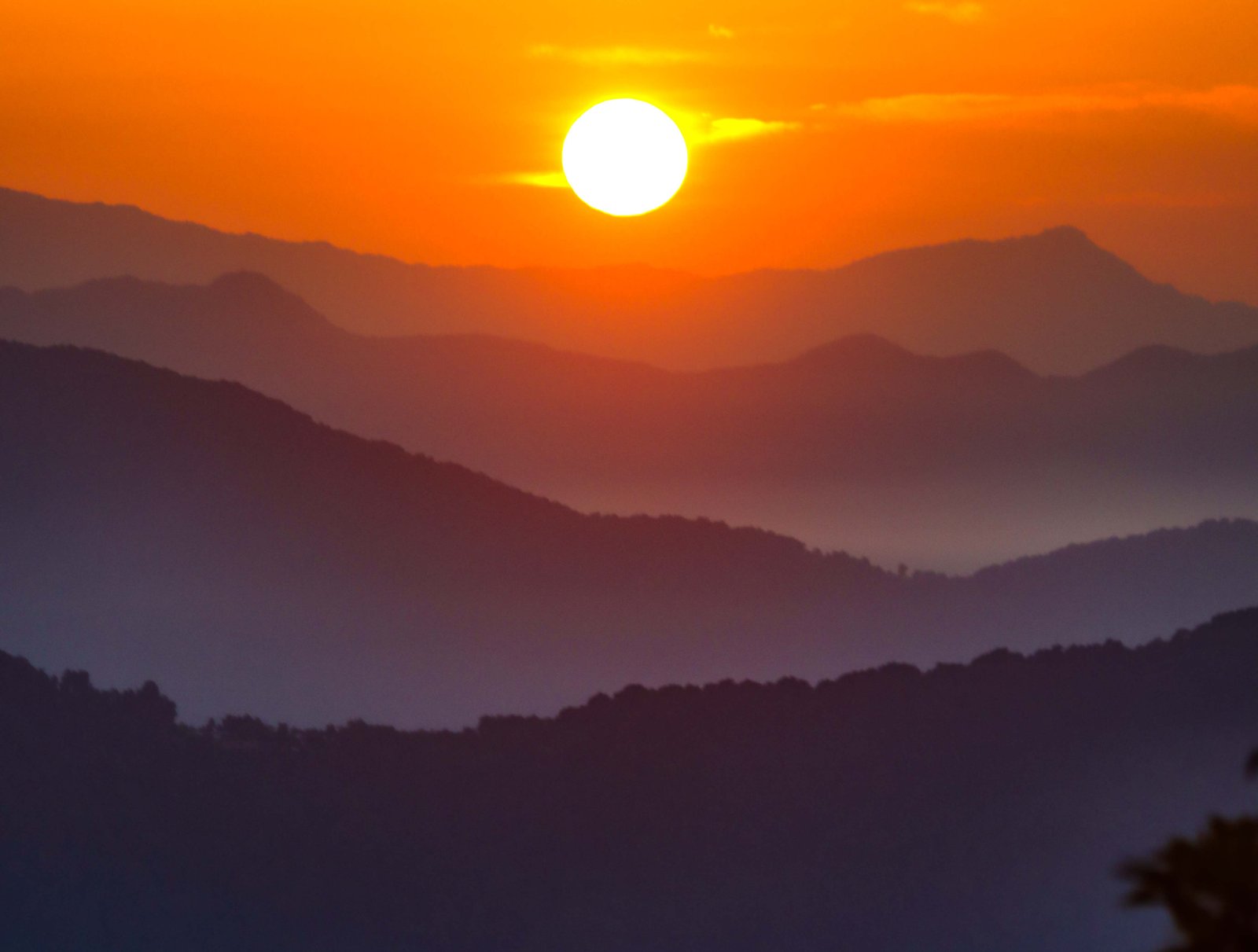
Kokhe Danda is the highest point of Parbat district at 3,309 metres, and it is the trek we built ourselves with our local guides. In winter it shows its best side. The air is clear enough to see from Dhaulagiri across the Annapurna range, the sun sets red behind Ghumte hill, and on most days you will have the summit to yourself.
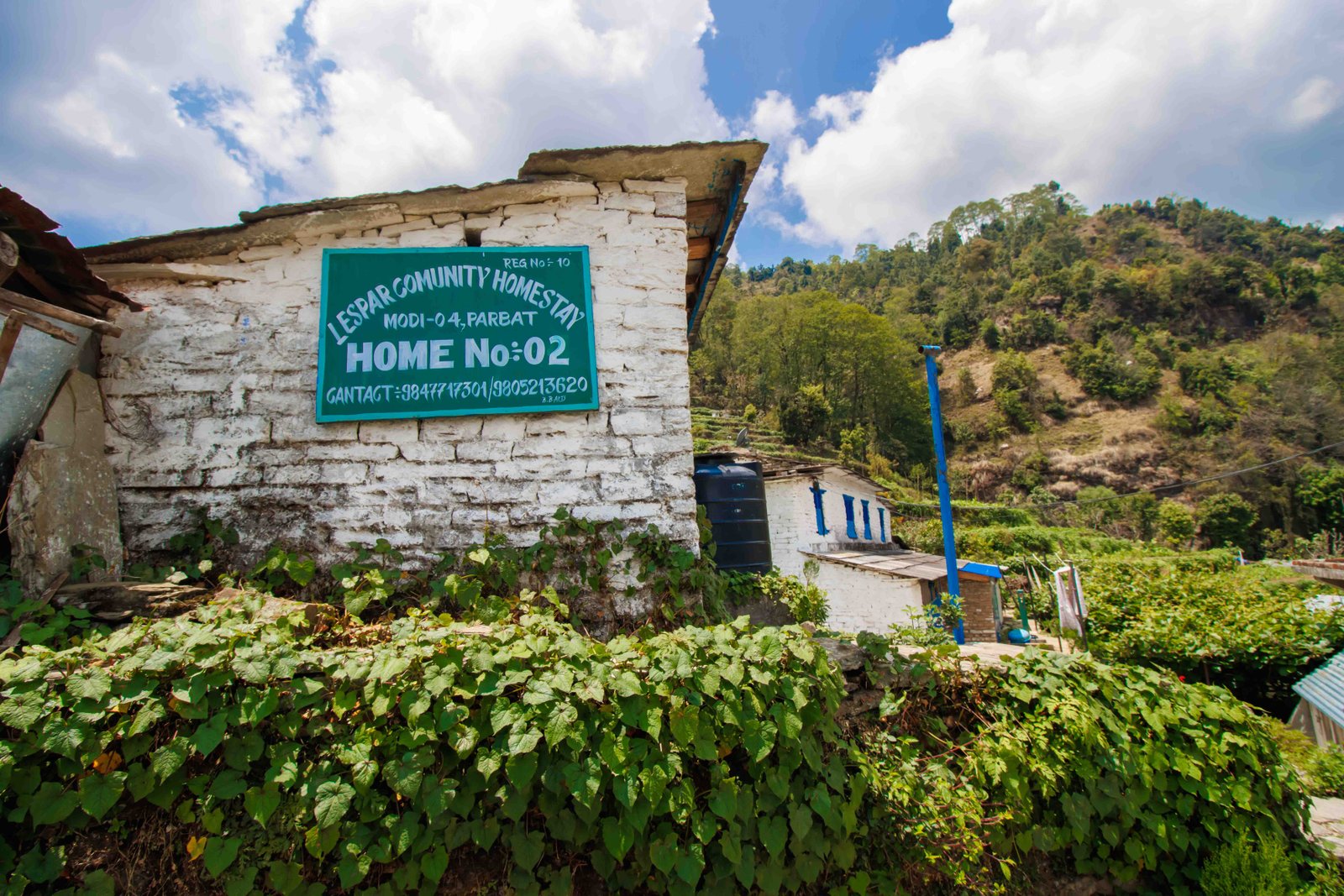
What makes Kokhe Danda such a good winter trek is that you spend your nights in family homestays rather than cold, half-empty lodges. In Haljure, Lespar, Sarga and Phalame Danda you sleep in village homes, eat dal bhat cooked on the family fire and sit in the kitchen while the cold settles outside. Nights in Haljure can drop to around -5 to -6°C, so a good sleeping bag matters, but the days are usually sunny and pleasant for walking.
The route is short and flexible. The standard trek takes five days from Pokhara, and there is a 3-day short version if you only have a long weekend. Jeep access at Haljure, Lespar and Phalame Danda makes it easy to shorten the walk if the weather changes or a child gets tired, which is one reason we recommend it to families. For the full day-by-day route and cost, see the main trek page; for month-by-month conditions, read our guide to the best season for Kokhe Danda.
Kokhe Danda does get snow, but whether you see it depends on the specific weather window and how much falls. Some winters bring several snowfalls; recent ones have been dry at village level. More on that, and our most memorable winter day on this trail, below.
Our takeIf you only do one trek from Pokhara this winter, make it Kokhe Danda. It is short, safe, quiet and warm in the way that matters, around a village fire.
Winter pick 2Muldai Viewpoint: a high, wide panorama with a Poon Hill sunrise thrown in
Best for: trekkers who want a higher viewpoint than Poon Hill without committing to a long trek.
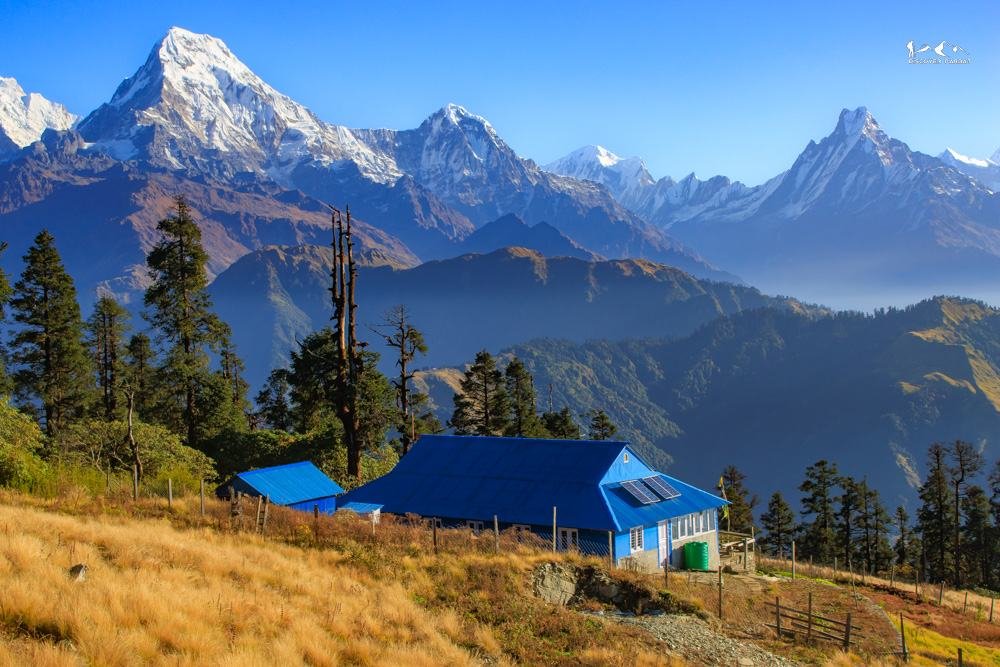
The Muldai Viewpoint Trek climbs through rhododendron forest above Dobato to a 3,637-metre viewpoint that looks straight across at Dhaulagiri, the Annapurnas and Machhapuchhre. Our six-day route links Muldai with Poon Hill and Kokhe Danda and ends with a homestay night in Lespar, so you get a busy classic and two quiet viewpoints in one loop.
On the southern Annapurna trails most teahouses stay open through winter, so accommodation is rarely a problem. The forest sections around Dobato hold snow and ice longer than open ridges, and after a snowfall crampons are required for the climb to the viewpoint.
Winter pick 3Khopra Ridge: the best Dhaulagiri view, if you're ready for the cold
Best for: fit trekkers with a week to spare who want the biggest views on this list and don't mind a cold night on an open ridge.
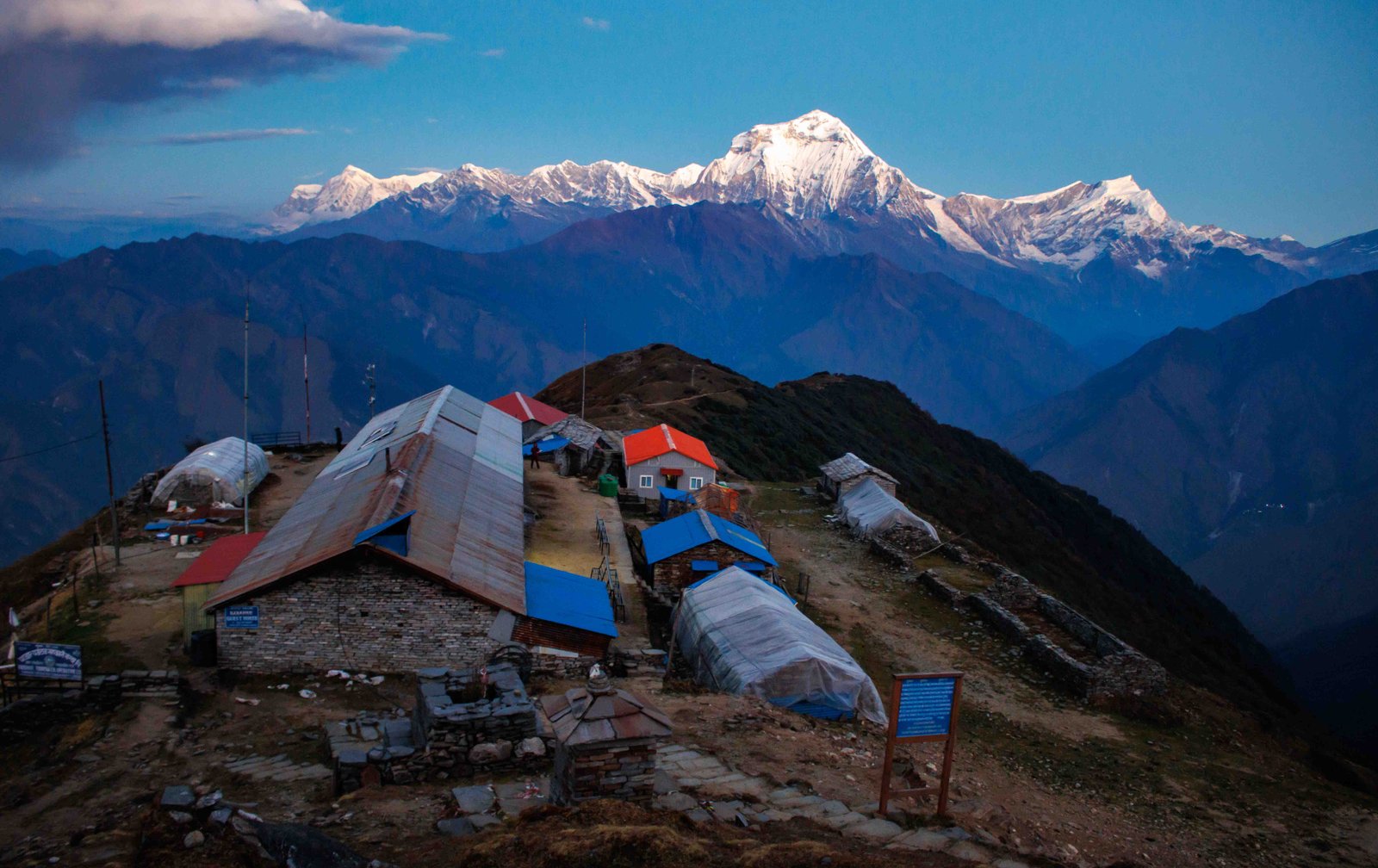
Khopra Ridge sits at 3,667 metres on an open alpine pasture facing the Kali Gandaki gorge, with Dhaulagiri filling the skyline and Annapurna South close behind. The Khopra Ridge Trek takes about eight days from Pokhara, passing Ghandruk, Tadapani, Dobato and Muldai on the way up and returning via Swanta, Ghorepani, Poon Hill and Kokhe Danda.
The good news for winter trekkers: the community lodge on Khopra Ridge stays open. The side trip to sacred Khayer Lake (4,653 m) is a different story. Whether it is possible depends on the snow conditions on the day, and the small restaurant at Khayer Khola, the usual stop on the way up, is closed in winter. If there has been snowfall, crampons are required on the ridge, and your guide will decide on the day whether Khayer Lake is safe.
If you are packing for Khopra, our Khopra Ridge packing list covers the basics; add crampons and a warmer sleeping bag for December to February.
Winter pick 4Mardi Himal: closest to the peaks, and the most snow-sensitive
Best for: experienced walkers who want to get right under Machhapuchhre in five days and are comfortable on a steep, exposed ridge.
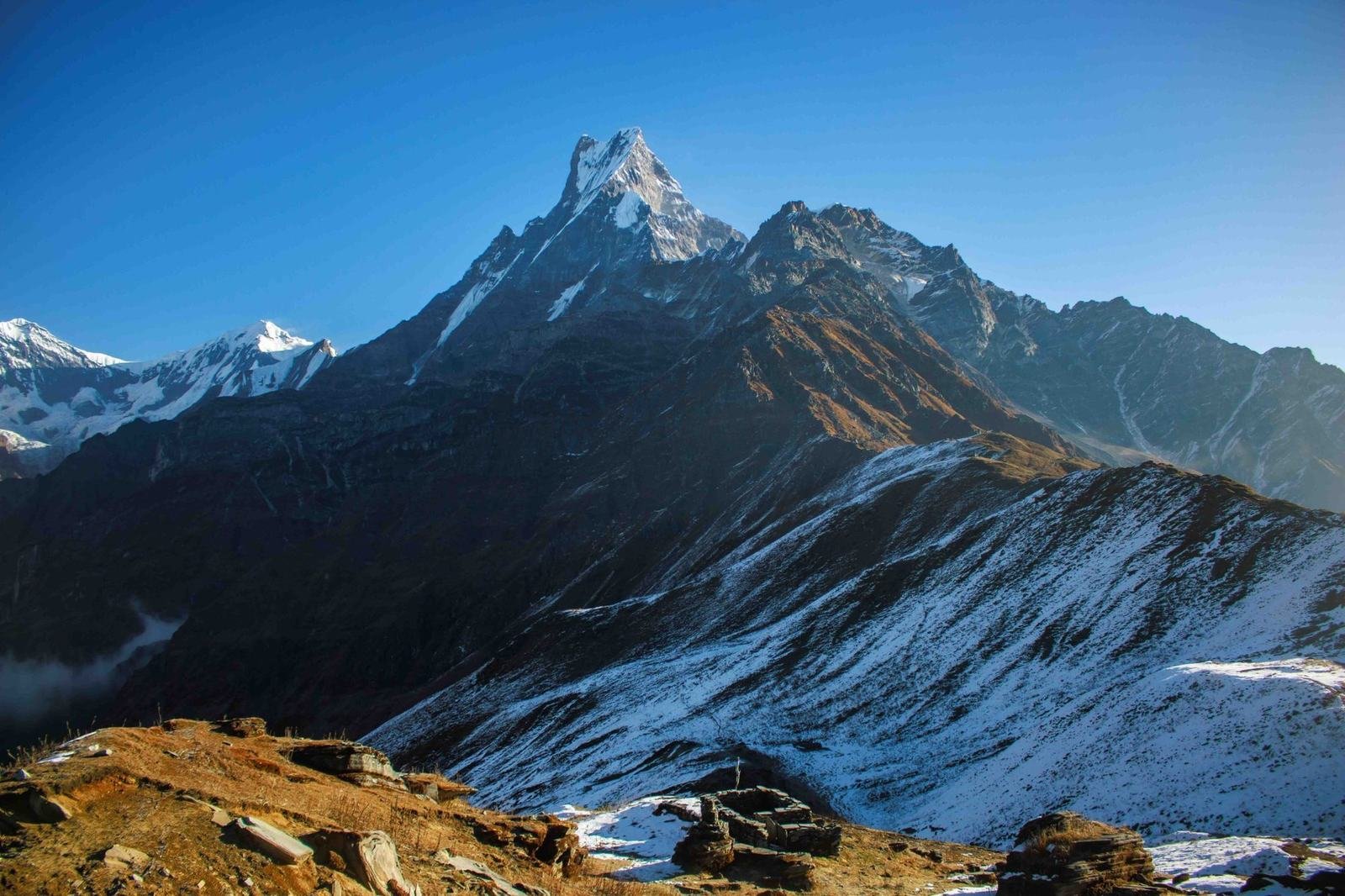
The Mardi Himal Trek follows a narrow ridge above the forest to a viewpoint at about 4,000 metres, so close to Machhapuchhre (Fishtail), Annapurna South and Hiunchuli that the peaks seem to lean over you. In clear winter weather it is spectacular, and it is one of the closest high viewpoints to Pokhara.
It is also the most snow-sensitive route on this list. The ridge above High Camp is steep and open, and after snowfall crampons are required. Some days the upper section simply isn't worth the risk, and a good guide will turn around rather than push on. If you want a guaranteed summit day, Kokhe Danda is the safer winter bet.
Winter pick 5Multiple Viewpoints Trek: all four in one winter journey
Best for: trekkers with two weeks who want to see the Annapurna and Dhaulagiri ranges from every angle, without crossing a high pass.
The Multiple Viewpoints Trek strings everything above into one route: Mardi Himal, Ghandruk, Muldai, Khopra Ridge, Poon Hill and Kokhe Danda, finishing with a homestay in Lespar. It takes 14 days from Pokhara, or 12 if you finish from Ghorepani.
In winter it works because almost all of it stays below about 4,000 metres, and every night is close enough to a lower village to change plans. The one exception is Khayer Lake. Treat it as a bonus, decided on the day by snow conditions, rather than the goal of the trip. Bring crampons, and expect your guide to adjust the order of the days around the weather.
Will you see snow on a winter trek near Pokhara?
This is the question we get most, and the honest answer is: maybe. Snow on these trails depends on a specific weather window and how much falls, not just the month.
What we have seen ourselves has changed a lot. Years ago, snow used to fall as low as 1,800 to 1,900 metres in the Annapurna region. Over the last three winters, since March 2022, our guides have not seen snowfall below about 2,700 metres. In practice that means village stops like Haljure are likely to be frosty but not white, while the higher viewpoints (Kokhe Danda, Muldai, Khopra and Mardi) still have a real chance of snow after a winter storm.
Twelve hours to Kokhe Danda, breaking trail through waist-deep snow
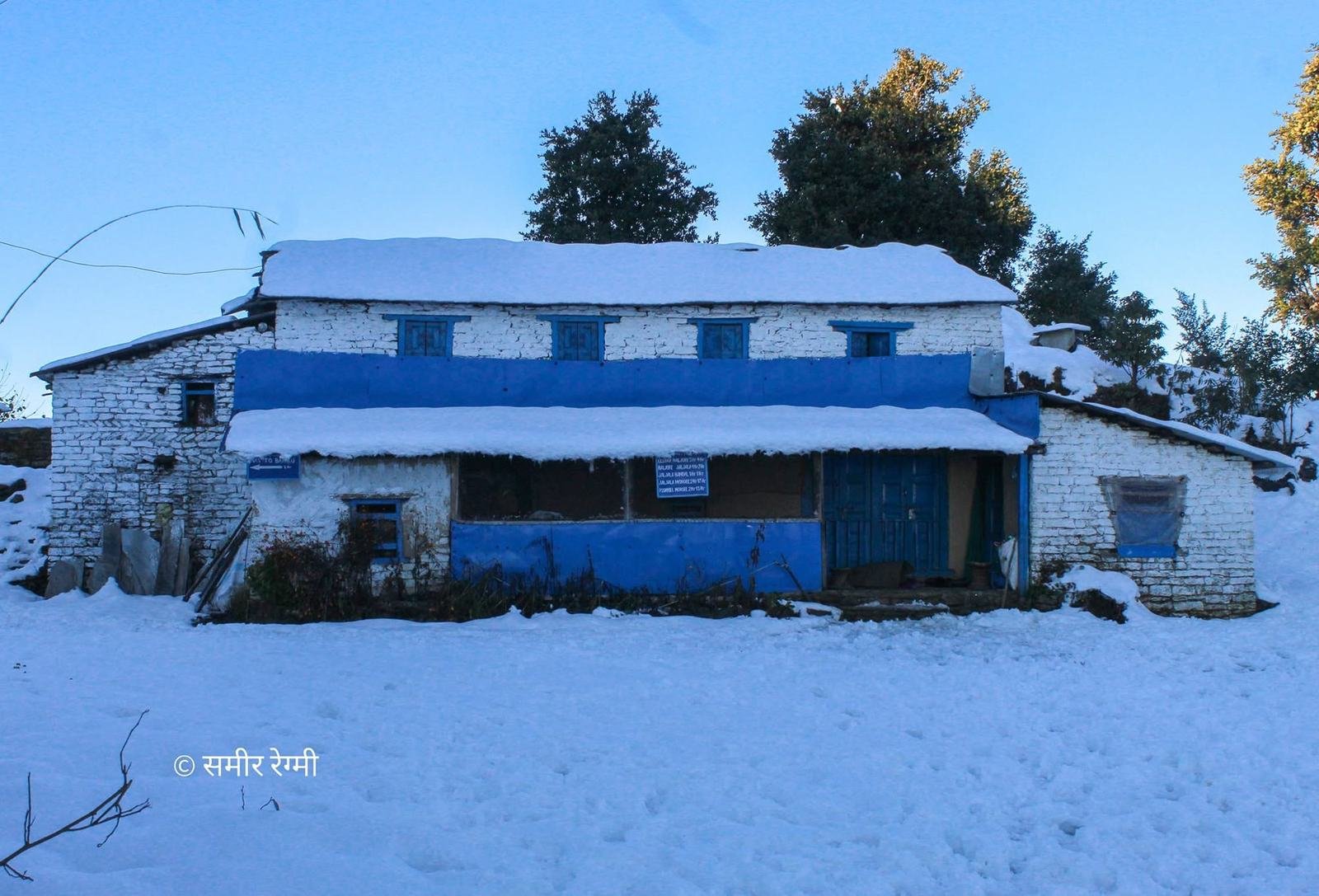
On the last day of 2021, fresh, thick snow had fallen across the hills of Parbat. We set off from Banau and walked to Kokhe Danda in a single day, via Haljure, Deurali and Jaljala. Nobody had been on the trail since the snowfall, so we were the ones making it, step by step.
At Jaljala the snow was up to our waists. A day that normally fits comfortably into a trek stretched to twelve hours. That winter, through to March 2022, it snowed three or four times, even in Haljure. Since then, we haven't seen snowfall below 2,700 metres.
Snow is a bonus, not a promise. If seeing snow matters to you, keep a day or two spare in your plan and ask us for an update a week before you arrive. We will tell you honestly what the trail looks like.
What about the big treks in winter?
Many people ask whether they can still do the classic long treks in December, January or February. Some are possible with good planning; some are better saved for spring or autumn. Here is what our guides tell our own clients.
- Annapurna Circuit: possible, teahouses are mostly open, but get up-to-date weather and snow conditions for Thorong La (5,416 m) before you commit to the crossing
- Tilicho Lake: usually completely frozen, seen as a white plain rather than a turquoise-blue lake
- Manaslu Circuit: Larkya La (Larke La) can be closed by snow in winter
- Annapurna Base Camp: avalanches are common between Himalaya and Machhapuchhre Base Camp; cross early in the morning
- Api Himal Base Camp: not the right time; avoid from December to mid-March
Annapurna Circuit and Tilicho Lake
The Annapurna Circuit can be trekked in winter, and most teahouses along the route stay open. The deciding factor is Thorong La at 5,416 metres. Before you go, and again in Manang, get updated weather and snow conditions for the pass. A safe winter crossing depends on choosing the right day, not on sticking to a fixed itinerary.
If Tilicho Lake is on your list, adjust your expectations. In winter it is usually completely frozen and often looks like a flat white plain rather than the turquoise-blue lake in summer photos. It is still a striking place, but plan the side trip knowing what you will actually see.
Manaslu Circuit
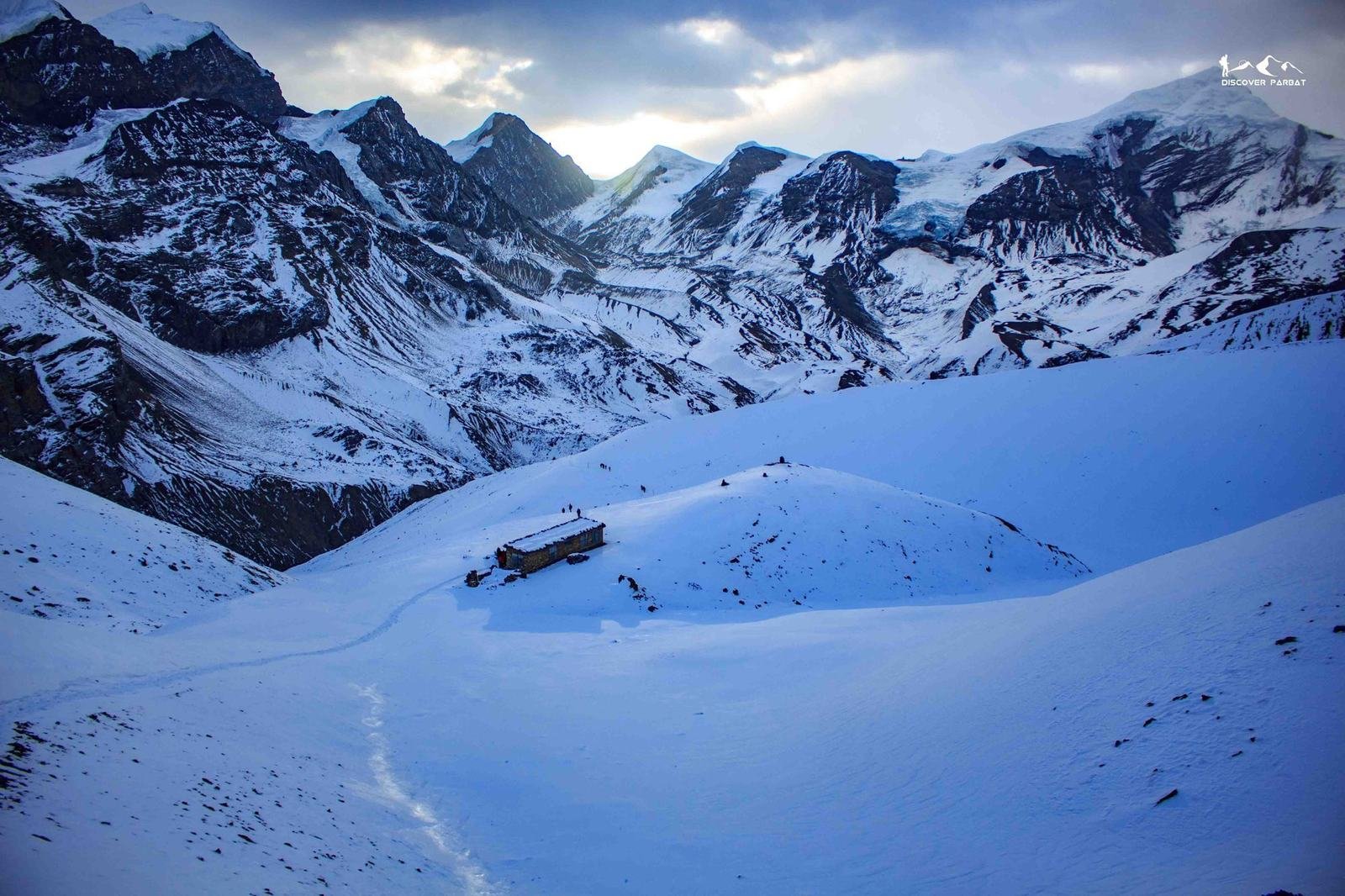
Larkya La (Larke La), the high pass at the heart of the Manaslu Circuit, can be closed in winter after snowfall. If you plan Manaslu in December to February, build in spare days and have a backup plan in case the pass is shut.
Annapurna Base Camp
On the ABC trail, avalanches happen quite often in winter, especially on the stretch after Himalaya up to Machhapuchhre Base Camp (MBC), where the trail runs beneath steep slopes. Cross this section early in the morning, before the sun gets strong and starts loosening the snow, and follow your guide's and the lodges' advice on the day. If you would rather avoid that risk, Khopra Ridge gives you comparable mountain views on a safer winter route.
Api Himal Base Camp
Our Api Himal Base Camp Trek in far-western Nepal is not a winter trek. Once the first snowfall starts, it is not the right time, so avoid it from December to mid-March and plan it for autumn or spring instead.
Winter trekking tips from our guides
None of these treks need special mountaineering skills in winter, but a few things make a real difference.
- Pack crampons for Mardi, Muldai and Khopra if there has been snowfall; your guide will confirm before you leave Pokhara
- Bring a sleeping bag rated well below freezing; homestay and teahouse rooms are not heated
- Start early and finish early; winter days are short and it gets cold quickly once the sun drops
- Layer up: a warm down jacket, gloves and a hat for sunrise viewpoints, lighter layers for walking in the sun
- Keep a spare day in your plan so you can wait out a storm instead of pushing through it
- Check that your travel insurance covers trekking at the altitude you are going to
- Trek with a local guide; they know which sections ice up and when to turn around
Our guides carry a pulse oximeter and a basic first-aid kit and check in with you each morning about sleep, headaches and appetite. For treks that go above 3,500 metres, read our guide on how to avoid altitude sickness.
Which winter trek should you choose?
Kokhe Danda
Choose it if you have three to five days, want warm homestays and village life, or are trekking with family.
View the trek →Khopra Ridge
Choose it if you have about eight days and want the widest Dhaulagiri panorama, with Muldai on the way.
View the trek →Mardi Himal
Choose it if you want to get right under Machhapuchhre in five days and are comfortable on a snowy ridge.
View the trek →Frequently asked questions
Is winter a good time to trek from Pokhara?
Yes, for treks below about 4,000 m. December to February brings clear, stable skies, sharp mountain views and far fewer trekkers. Nights are cold and days are shorter, so the best winter treks are the mid-altitude routes around Pokhara: Kokhe Danda, Muldai Viewpoint, Khopra Ridge, Mardi Himal and the Multiple Viewpoints Trek.
Will I see snow on a winter trek near Pokhara?
Possibly, but don't count on it. Snow depends on a specific weather window and how much falls. Our guides have seen no snowfall below about 2,700 m in the Annapurna region since March 2022, while it once used to snow down to 1,800 to 1,900 m. Your best chance is on the higher viewpoints: Kokhe Danda, Muldai, Khopra Ridge and Mardi Himal.
How cold does it get on the Kokhe Danda Trek in winter?
At Haljure, the homestay village on the Kokhe Danda Trek, winter nights can drop to around -5 to -6°C. It is colder on the summit at 3,309 m, especially at sunrise. Days are usually sunny and pleasant when you are walking.
Are teahouses open in winter on treks near Pokhara?
Mostly, yes. On the southern Annapurna trails, most teahouses stay open through winter, and the community lodge at Khopra Ridge is open too. The small restaurant at Khayer Khola, on the way to Khayer Lake, is closed in winter.
Do I need crampons for a winter trek from Pokhara?
If there has been snowfall, yes. Crampons are needed on Mardi Himal, Muldai Viewpoint and Khopra Ridge after snow. Your guide will check conditions before you leave Pokhara and tell you whether to bring them.
Can I trek the Annapurna Circuit or Manaslu in winter?
The Annapurna Circuit is possible, as teahouses are mostly open, but you need up-to-date weather and snow conditions for Thorong La before you go. Tilicho Lake is usually completely frozen and looks like a white plain rather than a turquoise lake. On the Manaslu Circuit, Larkya La (Larke La) can be closed by snow in winter.
Is Annapurna Base Camp safe in winter?
Avalanches happen quite often on the Annapurna Base Camp trail in winter, especially between Himalaya and Machhapuchhre Base Camp. Cross that section early in the morning, before the sun gets strong, and follow local advice on the day.
Can I do the Api Himal Base Camp Trek in winter?
No. Once the first snowfall starts, Api Himal is not the right trek. Avoid it from December to mid-March and plan it for the autumn or spring seasons instead.