
Before you pack
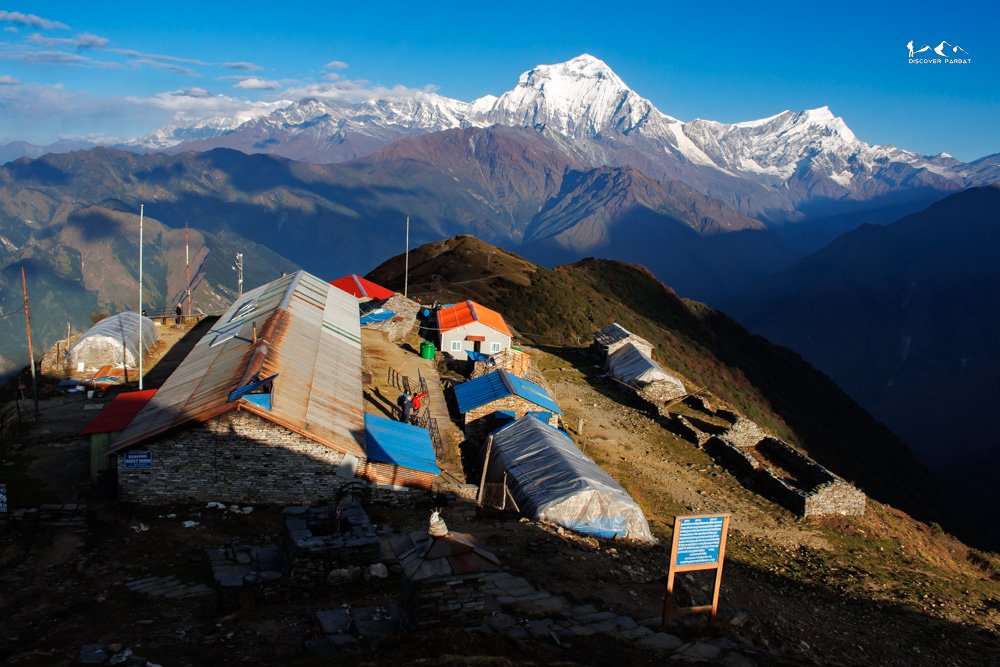
Khopra Danda sits at about 3,660 m (12,008 ft). To reach it you walk through warm lower villages, rhododendron forest and an exposed ridge that can freeze overnight. The answer is not more clothes. It is a few light layers you can add and remove as the day changes.
This guide covers the gear, clothing, footwear and personal items for a typical Khopra Ridge Trek, then breaks the list down by season: spring, monsoon, autumn and winter. At the end there is a checklist you can tick off on screen or print.
The short version
The items that matter most are your trekking boots, warm layers, rain protection, sleeping bag, gloves, hat, water bottle, head torch and trekking poles. Everything else is a comfort upgrade.
Conditions at 3,660 m can be completely different from Pokhara or the lower villages, so check the forecast shortly before you leave.
Carry it comfortably
Trekking backpack
If you have a porter, your main bag can be a larger duffel or trekking bag, and you carry only a daypack. If you carry everything yourself, a 40 to 50 litre backpack is normally enough for a lodge-to-lodge trek, as long as you pack well.
- Padded shoulder and hip straps
- A rain cover
- Several compartments
- Water-resistant fabric
Resist the urge to bring extra clothing "just in case". You feel every additional kilo on the uphill sections.
Dress in layers
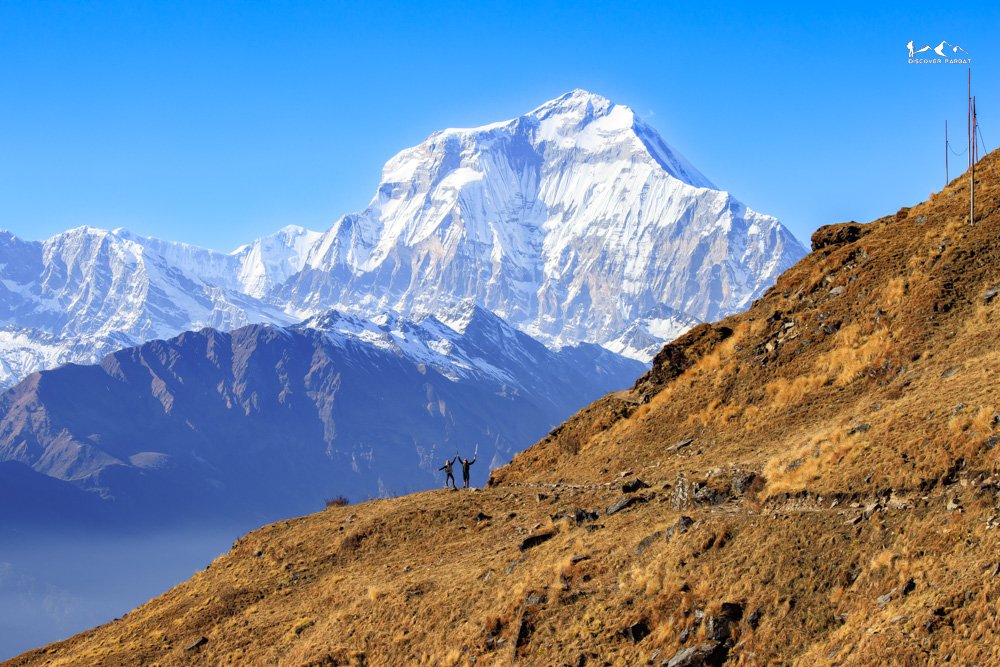
Temperatures change a lot between the lower villages and the exposed ridge. In autumn, daytime temperatures at Khopra Ridge run at about 2 to 7°C, and nights can drop below freezing. In winter it is colder still, and during cold spells the ridge can reach around -10°C or lower at night.
Layers let you adjust to that range. Several bulky sweaters do not.
Base layer
Bring one or two moisture-wicking T-shirts, a thermal top for colder days, and thermal or lightweight bottoms for the cool mornings. A wicking base layer pulls sweat off your skin while you walk, so you stay warmer when you stop.
Most trekkers need only one thermal set in spring and autumn. Bring two sets in winter.
Fleece or sweater
One warm fleece or sweater is your main mid-layer. A fleece is a good choice because it keeps you warm without taking much room in your pack.
Windproof shell
A lightweight, windproof and water-resistant jacket is very useful around Khopra Ridge, because the ridge is exposed. Strong wind makes the temperature feel much colder even when the sun is out.
Down jacket
A warm down jacket is one of the essentials on this trek. You will reach for it in the evening, early in the morning, at sunrise on the ridge, on cold autumn nights and throughout winter.
If you are trekking in winter, take a much warmer down jacket than you would for autumn or spring.
Trekking pants
Bring two pairs of comfortable pants that are easy to move in and dry fast. In colder months you can wear them over thermal leggings.
Leave the jeans and thick cotton pants at home. They are bulky, slow to dry and unpleasant to hike in.
Leggings and thermal bottoms
One pair of leggings is handy even in the warm season. In spring and autumn, lightweight leggings can go under your trekking pants when it gets cool. In winter, thermal bottoms are highly recommended, along with a spare pair.
Feet, hands and head
Trekking boots
Comfortable boots are non-negotiable. Yours should:
- Fit comfortably
- Have good grip
- Give enough ankle support
- Cope with wet conditions
- Leave room for trekking socks
Never wear brand new boots on the trek. Walk in them first to prevent blisters.
Higher sections of the trail can be icy or snowy in late autumn and winter. Depending on conditions, especially after snowfall, microspikes or other traction gear may help.
Trekking socks
Bring three or four pairs of wool or synthetic socks. They manage moisture and hold warmth better than ordinary cotton socks. In winter, add an extra thick pair to sleep in.
Flip-flops or sandals
After hours in trekking boots, changing into something comfortable inside the lodge is a small luxury you will appreciate.
Gloves
Gloves are useful for the whole trek, especially in the mornings and evenings. In spring or autumn, one pair of warm trekking gloves is usually enough. For winter, take a warm insulated pair plus a lightweight liner glove.
Your hands get particularly cold while you stand outside waiting for sunrise on the ridge.
Warm hat and sun hat
Pack a comfortable beanie that covers your ears. You lose a lot of heat through exposed skin, and the wind across the ridge makes a cold morning feel colder. A sun hat or cap is also useful during the day.
Weather, water and light
Rain protection
Mountain weather changes quickly. Carry a rain poncho or a waterproof jacket, and a rain cover for your backpack. Rain gear matters most in the monsoon. June to August is generally wetter, with lower visibility, mud and a higher risk of landslides, which makes it the less favourable time for the Khopra Ridge route.
Trekking poles
Poles are not required, but they are very useful. They help on:
- Steep uphill sections
- Long descents
- Uneven stone steps
- Muddy trails
- Snow and ice
They also take some of the strain off your knees, and they are especially helpful in winter when parts of the trail can be icy.
Water bottle and purification
Carry a water bottle or hydration pack, but do not carry all the water for the whole hike. Water is generally available along the route, so a lightweight filter or purification tablets are enough. They also cut down on single-use plastic bottles.
In the cold months, an insulated bottle helps, particularly at higher elevations where water can freeze overnight.
Head torch
A head torch is a must, even if you do not plan to walk after dark. You will use it for:
- Early morning starts
- Walking around the lodge after dark
- Night trips to the toilet
- Getting ready for sunrise
- Unexpected delays on the trail
Bring spare batteries, or choose a rechargeable head torch.
Sun protection
Do not take the Himalayan sun for granted. UV exposure rises with altitude, and snow and reflected light make it stronger. Pack UV-protection sunglasses, sunscreen (preferably SPF 30 to 50+), lip balm with SPF and your sun hat.
Sleep, health and power
Sleeping bag
A warm sleeping bag is highly recommended for Khopra Ridge, especially in autumn and winter. Community lodges and teahouses are generally available, but rooms at higher elevations can be cold and unheated.
In spring and autumn, a 3-season bag rated to about -5°C to -10°C may be enough, depending on how well you handle the cold. Winter bags need to be noticeably warmer and rated for subzero temperatures. Some winter advice suggests ratings of around -10°C to -15°C for very cold conditions on the ridge.
A sleeping bag liner adds warmth and helps keep things hygienic.
First aid and medicines
Take a small personal first aid kit with the supplies you normally use. Consider including:
- Blister treatment
- Bandages and antiseptic
- Pain-relief medicine
- Oral rehydration salts
- Your personal prescription medicines
- Altitude medication, only if prescribed by your doctor
Talk to a healthcare provider first. Do not take medicine just because someone recommended it online, and get professional advice before using any medication for altitude sickness.
Toiletries
A small hygiene kit is all you need: toothbrush, toothpaste, toilet paper, biodegradable wet wipes, hand sanitizer and a small soap. Take a small quick-dry towel instead of a large one.
Power bank and electronics
Charging is sometimes available along the route, so a power bank is a sensible backup. Carry your phone charger and the cables you need, plus spare camera batteries if you shoot photos.
In very cold weather, keep spare batteries in an inner jacket pocket, because cold drains battery performance.
Pack by season
The base list stays the same all year. What changes is how warm the layers are and how much rain protection you need. Pick your season below.
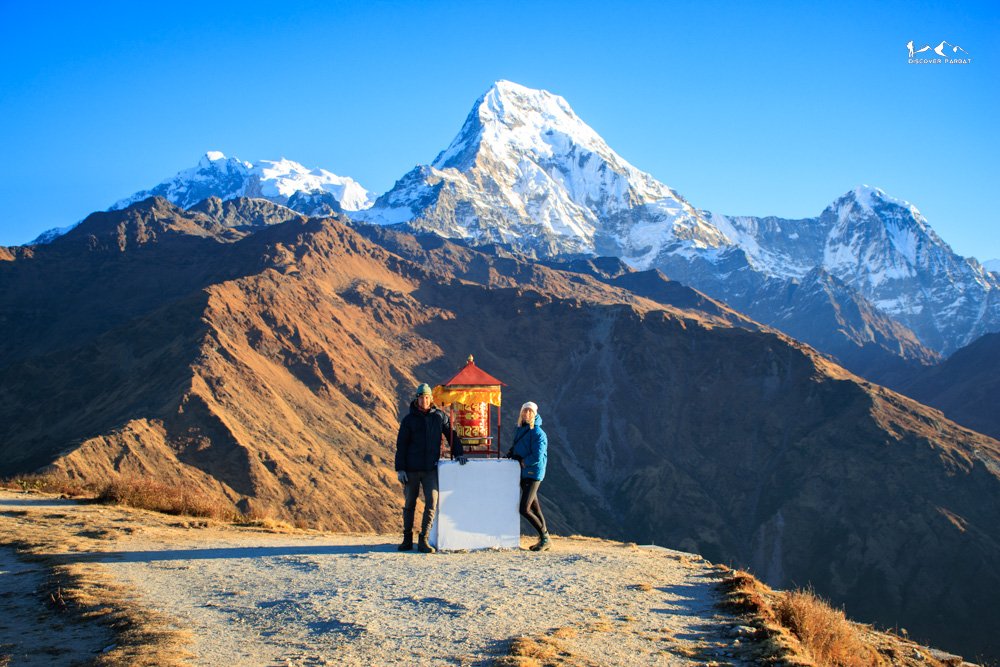
Spring is one of the most popular seasons for Khopra Ridge, mainly because of the rhododendron forests. Days on the ridge are usually pleasant compared with winter, but nights often stay below freezing, especially in early spring.
Pack
- 2 to 3 T-shirts
- 1 thermal top
- 1 fleece
- 1 windproof jacket
- 1 light or warm down jacket
- 2 trekking pants
- 1 thermal or leggings
- 3 to 4 pairs of socks
- Gloves
- Warm beanie
- Rain protection
- Trekking boots
- Trekking poles
Early March: bring warmer winter clothes, as snow or ice can still be on higher ground. April to May: light layers are usually enough, but a warm jacket is always necessary on the ridge.
June to August is the wettest period. Expect rain, muddy and slippery trails, leeches in the lower forest and low visibility in the mountains. Heavy rain also raises the risk of landslides and trail disruption.
Pack
- Waterproof rain jacket or poncho
- Backpack rain cover
- Waterproof liners or dry bags
- Quick-drying trekking pants
- Extra socks
- Waterproof trekking boots
- Lightweight clothing
- Insect and leech protection
- Trekking poles
Do not leave the warm layers behind. The higher ridge is much cooler than the valleys, so keep your fleece and warm jacket even when it feels warm below.
October and November are among the best months for Khopra Ridge. The weather is mostly cooler and mountain visibility tends to be good. Ridge days run about 2 to 7°C, and nights can drop below freezing.
Pack
- T-shirt and thermal base layer
- Fleece or windproof jacket
- Warm down jacket
- 2 trekking pants
- Thermal or leggings
- 3 to 4 pairs of socks
- Warm gloves
- Warm beanie
- Trekking boots
- Trekking poles
- 3-season sleeping bag
September: the monsoon can still affect the start of the month, so keep good rain protection. October: fleece, windproof coat and warm down jacket. November: add a thermal base layer, thicker socks and warmer gloves. By late November, pack closer to a winter setup.
Winter needs the most careful preparation. At Khopra Ridge, nights can fall well below freezing, and snow or ice can affect the upper trail. January is typically among the coldest periods.
Pack
- 2 thermal base-layer tops
- 1 to 2 thermal bottoms
- 2 T-shirts
- Warm fleece
- Additional warm mid-layer
- Warm down jacket
- Windproof outer shell
- Warm insulated gloves
- Lightweight liner gloves
- Warm beanie covering the ears
- 3 to 4 pairs of warm socks
- Waterproof trekking boots
- Trekking poles
Also consider
- Microspikes, depending on snow and ice
- Gaiters if heavy snow is expected
- A winter-rated sleeping bag
- An insulated water bottle
Check conditions before you go. Winter conditions can change rapidly. A local guide can help you judge snow and ice on the higher sections.
What to leave at home
Packing light matters as much as packing right. For most Khopra Ridge treks you do not need:
- Several pairs of jeans
- Heavy cotton sweaters
- Lots of toiletries or a large towel
- Too many pairs of shoes
- Multiple bulky jackets
- Unnecessary electronic equipment
- Large quantities of snacks or bottled water
Build one good layering system that adapts to changing temperatures, and stop there.
Your Khopra Ridge packing checklist
Tick items as you pack them. Your ticks are saved in this browser, and you can print the list if you prefer paper.
Clothing
Trekking gear
Personal items
Extra winter gear
Final tips
The Khopra Ridge Trek does not need an expedition-style packing list. For most trekkers, the best approach is to pack light and layer intelligently.
Remember that conditions at 3,660 m can be completely different from the weather in Pokhara or the lower villages. Check the forecast and trail conditions shortly before you leave, and adjust your clothing to match.
Planning the optional Khayer Lake hike? It reaches roughly 4,500 to 4,660 m depending on the route and source. Expect significantly colder conditions there, and possibly snow or ice.
With the right layers and sensible equipment, you can keep your backpack manageable and stay comfortable from the first village to the top of the ridge.
