
The short answer
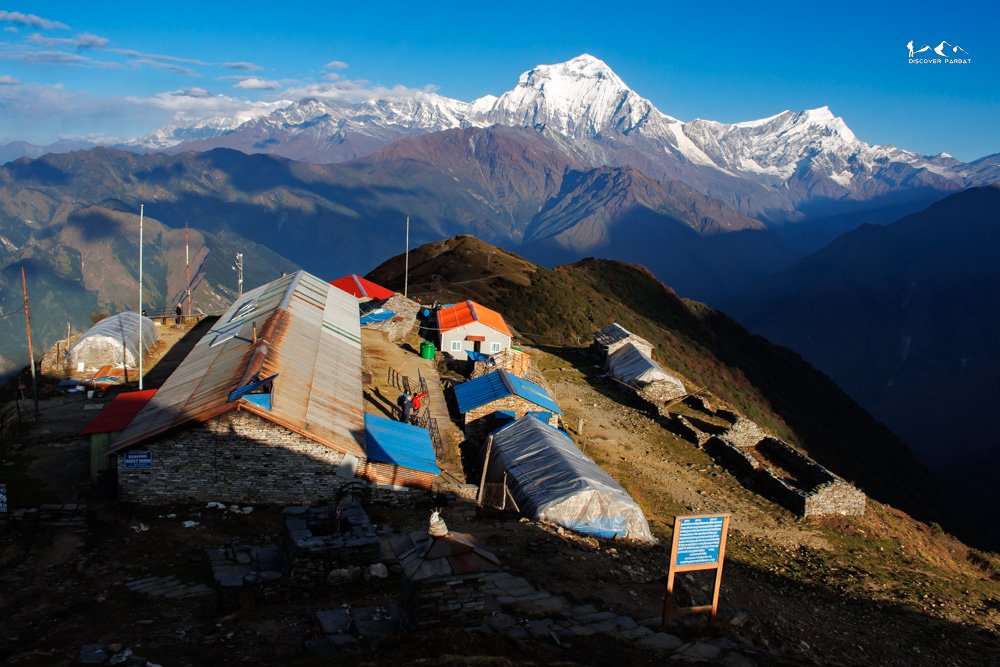
The best months to trek Kokhe Danda are October and November, when the skies are clear and Dhaulagiri and Annapurna stand sharp above the ridge. March to May is the next best window, with rhododendron forests in bloom.
That said, the right month depends on what you want from the trek. Kokhe Danda is a quiet ridge in Parbat, and each season gives it a different mood: colour in spring, deep green in the monsoon, golden light in autumn and silence in winter. This guide walks through every month so you can match the trail to your own priorities, whether that is views, solitude, greenery or photography.
Best months at a glance
Best overall: October and November. Best for flowers: March and April. Best for greenery and solitude: June to August. Best for calm and cold, clear mornings: December to February.
Planning your dates? See our Kokhe Danda Trek.
Trekking quality by month
This chart rates each month for overall trekking conditions, mainly views, weather stability and comfort. Taller bars mean better conditions.
Ratings are Discover Parbat's guide, based on typical conditions. Weather varies from year to year, so check the forecast before you go.
Spring: March to May
Spring is the season of colour. The forests above the villages fill with rhododendron blossom, the air warms up, and the mountains slowly sharpen as winter haze lifts.
March

April
May
Monsoon: June to August
The monsoon is the least obvious season to trek, but not a bad one. Trails turn deep green, waterfalls appear and the ridge is almost empty. The trade-off is cloud, which often hides the mountains, so this season suits trekkers who value atmosphere and solitude over peak views.
June
July
August
Autumn: September to November
Autumn is the classic trekking season, and for good reason. The monsoon rinses the air clean, skies open up, and the weather settles into a stable, comfortable pattern. If views are your priority, this is the season to choose.
September
October
November
Winter: December to February
Winter trekking on Kokhe Danda is for people who want silence. Mornings are crisp and often brilliantly clear, and you may have the ridge to yourself. It is also the coldest season, so it needs proper layers and flexible plans.
Early December
January
February
Trekking in the cold months? Pack for subzero mornings on the ridge: a warm down jacket, thermal base layers, insulated gloves, a hat that covers your ears and a warm sleeping bag. Our packing guide has a layering system and winter checklist that works for ridge treks like this one.
Which month is right for you?
If you want the best balance of views, comfort and beauty, plan your trek for October or November. If you value solitude, emotion and raw nature, even the off-season can be unforgettable. Kokhe Danda is not just about reaching a viewpoint. It is about meeting the Himalayas in a different mood each season.
Ready to pick your dates? Our local team can help you choose the best month for your plans and interests. See the Kokhe Danda Trek or the shorter Short Kokhe Danda Trek.
Frequently asked questions
What is the best month to trek Kokhe Danda?
October and November are the best months. Skies are clear, the weather is stable, and Dhaulagiri and Annapurna are at their sharpest. March to May is the next best window, with rhododendrons in bloom.
When do the rhododendrons bloom on the Kokhe Danda trail?
Blooms begin in March and the forests are at their fullest in April. Occasional haze in April can soften distant mountain views.
Can you trek Kokhe Danda in the monsoon?
Yes. June to August brings lush greenery, waterfalls and very few trekkers, but clouds often hide the mountains and trails can be slippery, especially on descents.
Is Kokhe Danda trekking possible in winter?
Yes. Early December is crisp and clear. January can bring snow and complete solitude, but it is cold and trail conditions can be uncertain, so you need serious layers.
Which months are quietest on the Kokhe Danda trail?
July and August are the quietest, followed by December to February. October and November are the peak months, though Kokhe Danda is still far quieter than the classic Annapurna trails.