The short answerWhat is the weather like in Nepal now?
Cyclone Arnab's effect has passed, and Nepal is settling back into its normal post-monsoon pattern. For the rest of November, expect mostly clear skies and dry trails, which is perfect trekking weather. Prominent rain or snow before winter would need another cyclone or a strong western system, and that is unlikely. Keep an eye on the DHM forecast, and we will post an update here as soon as anything changes.
After a few unsettled days at the end of October, the hills are back to what makes November special: crisp, clear mornings, sharp mountain views and long, quiet nights under the stars.
We live and guide in Parbat, and we watch this weather every day from the ridges above Kushma. This update covers what the cyclone changed, what a normal November day looks like on the trail hour by hour, which ridges give the best sunrise and sunset above a sea of clouds, and why we don't expect another big weather system before winter. If you are planning our Kokhe Danda Trek or any trek in the Annapurna region this month, this is what to expect.
What happenedNepal's weather after Cyclone Arnab
Cyclone Arnab formed over the Bay of Bengal in late October and made landfall on India's east coast around 28 October. As it weakened and moved north, its moisture reached Nepal from the night of 29 October, bringing cloud, rain and fresh snow at higher elevations over the following days. The Department of Hydrology and Meteorology (DHM) and disaster authorities kept the country on alert through the end of the month, and many trekkers sensibly paused or adjusted their plans.
A system like this is unusual for the season. Late October and November are normally the driest, most stable part of the trekking calendar, which is exactly why the cyclone made the news. Now that it has moved through, the weather is returning to what trekkers expect from a Nepali autumn. The days right after a storm often bring the sharpest views of the season, because the rain has washed the dust and haze out of the air.
Hour by hourA typical November day in the hills
November weather in the Nepali hills follows a pattern that repeats almost every day. Once you know it, you can plan your walking and your viewpoints around it. This is what our guides see on the ridges day after day:
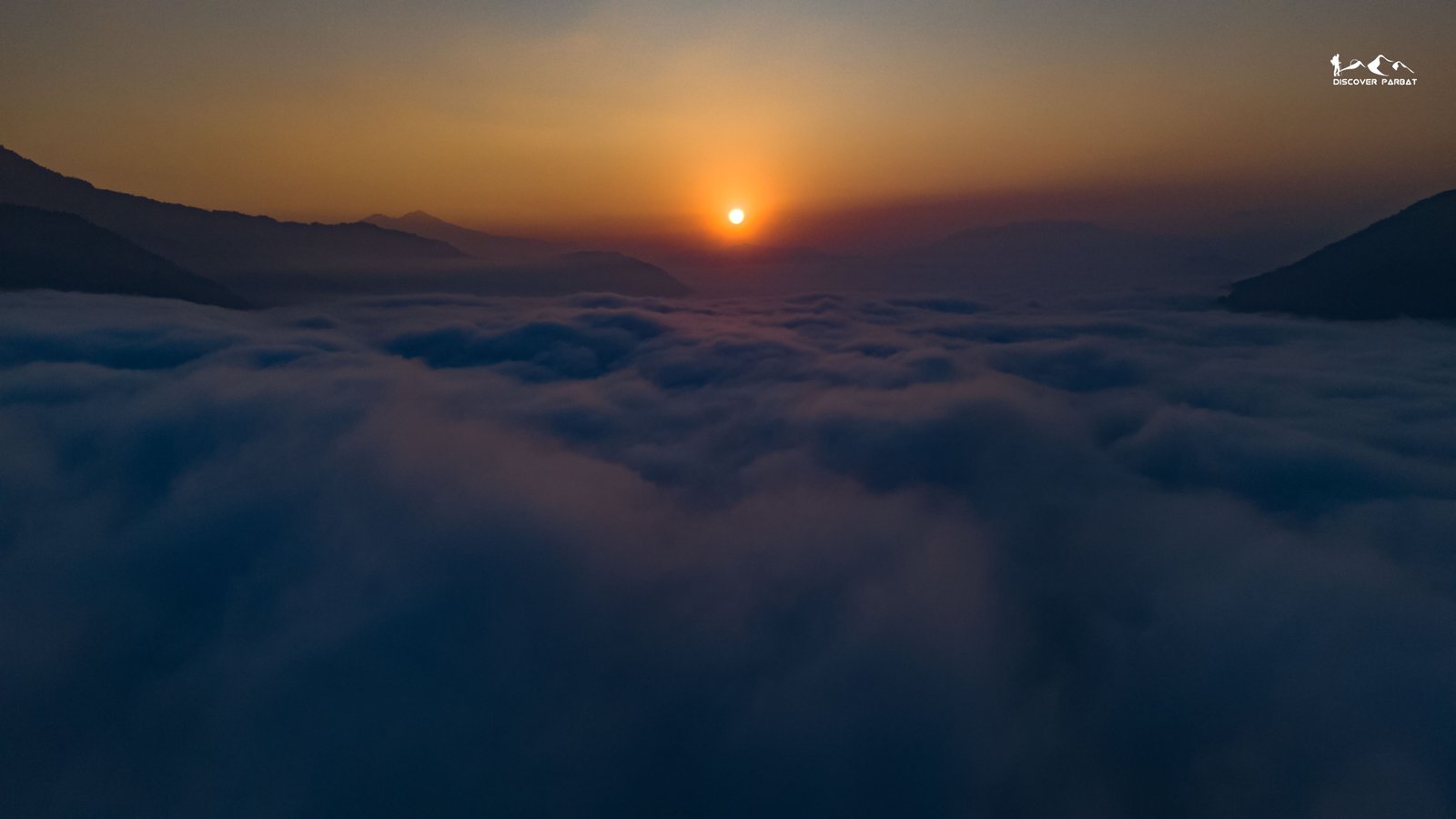
- SunriseClear skies, often above a sea of cloudsMornings are clear almost every day. Cloud that settled into the valleys overnight often lies below the ridges like an ocean, with the sun rising over it and the snow peaks standing sharp above.
- Around 8 to 10 amSmall clouds start buildingAs the sun warms the slopes, small clouds begin forming around the peaks, and the cloud lying in the valleys starts to lift and rise up the hillsides.
- AfternoonSunshine with partly hidden mountainsThe sky stays mostly clear and sunny with some cloud, but the risen clouds can block the mountains or leave them only partly visible. Now and then, a local cloud brings a short drizzle late in the afternoon, but that isn't common.
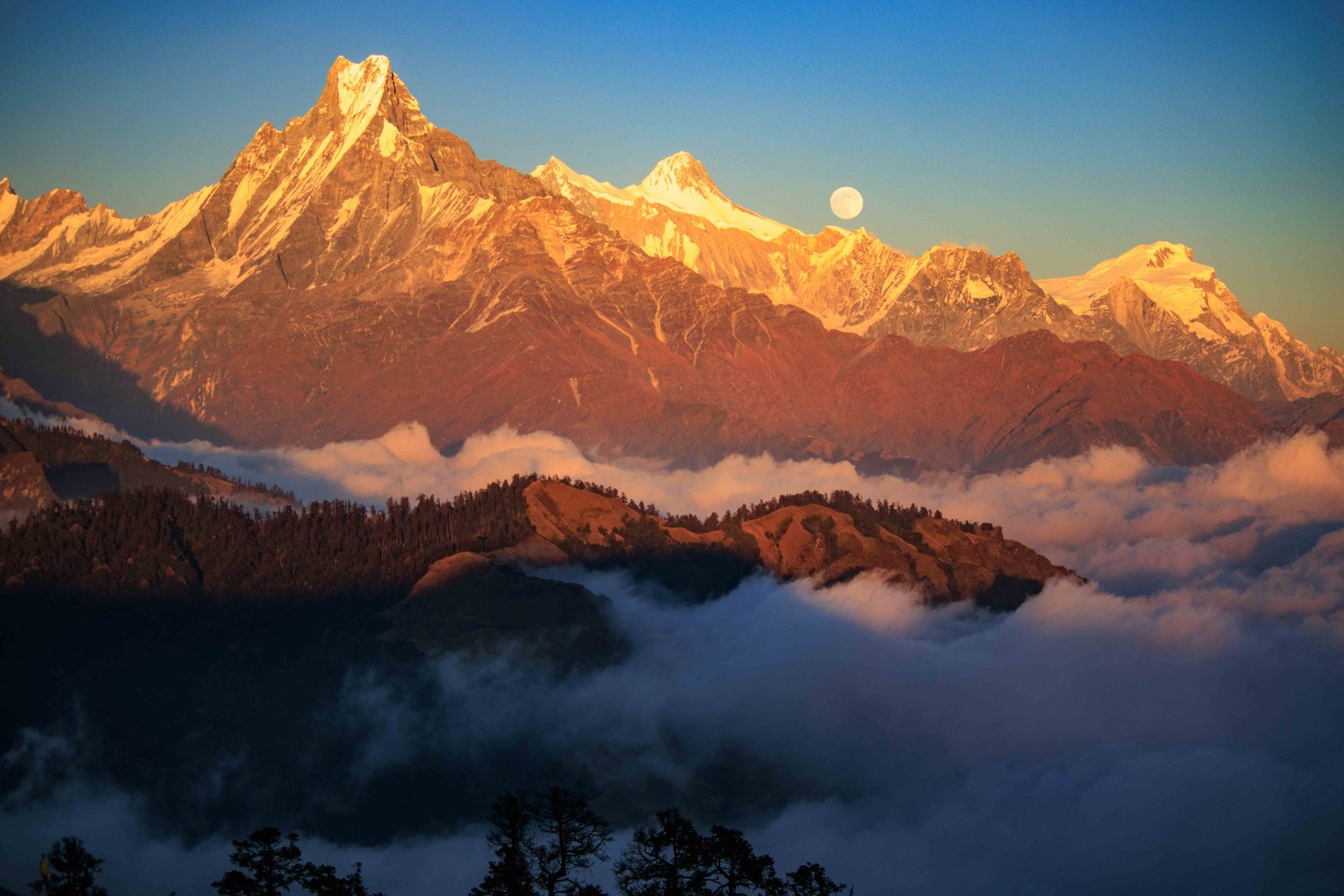
- SunsetViews often open up againOn roughly six or seven evenings out of ten, the peaks clear again for sunset. The clouds often sink back into the lower valleys, creating a sea of clouds and cloud bridges stretched between the high hills, ridges and snowy peaks.
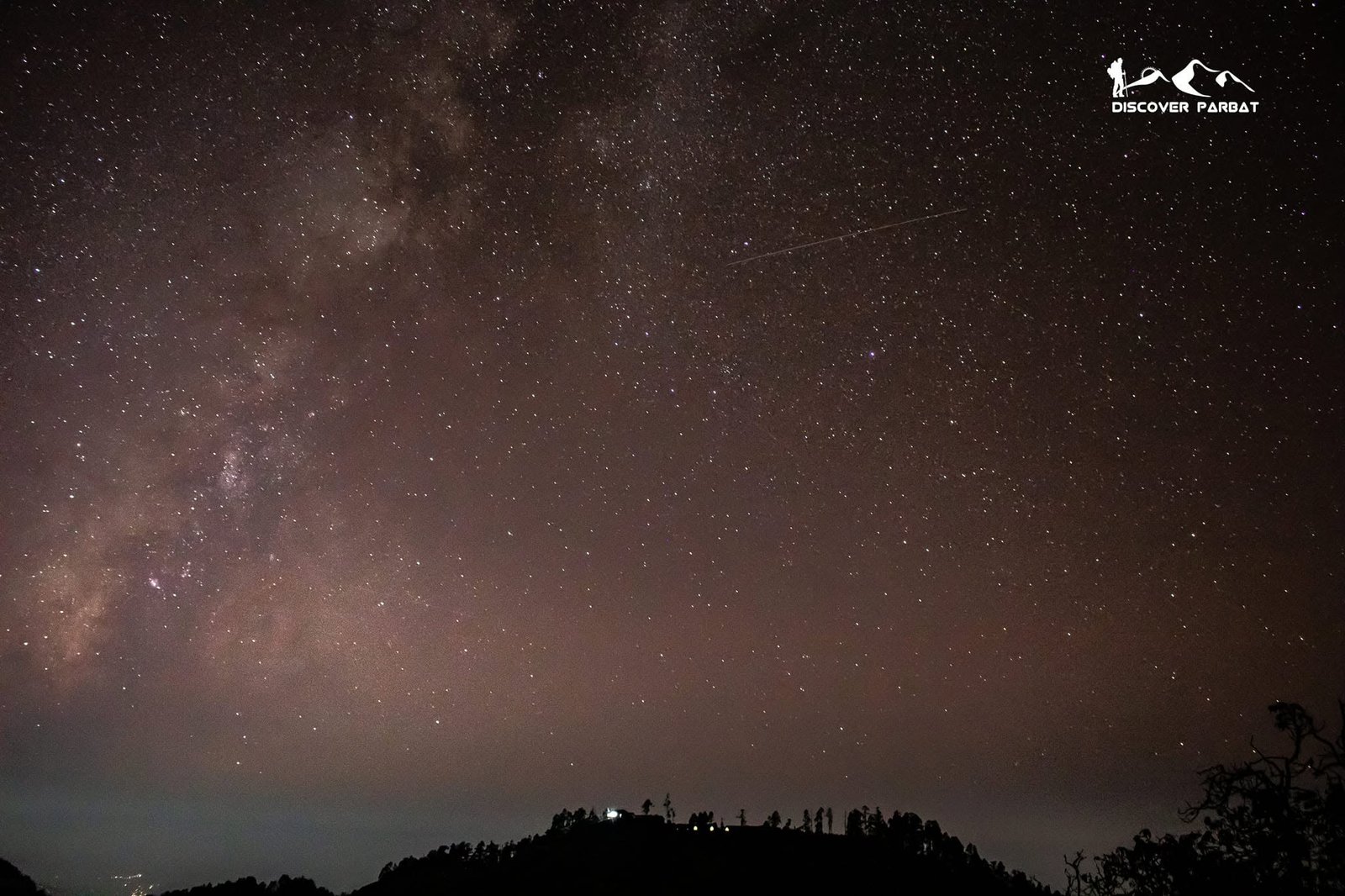
- NightClear and starryEven when the evening stays cloudy, the sky usually clears by night. With cold, dry air and little light pollution, it is one of the best times of year for stargazing.
Plan around the pattern: be at your viewpoint for sunrise, start walking early, and aim to reach your homestay or teahouse by mid-afternoon. That way you get the clearest views, miss any afternoon drizzle, and are rested and ready for sunset and the stars.
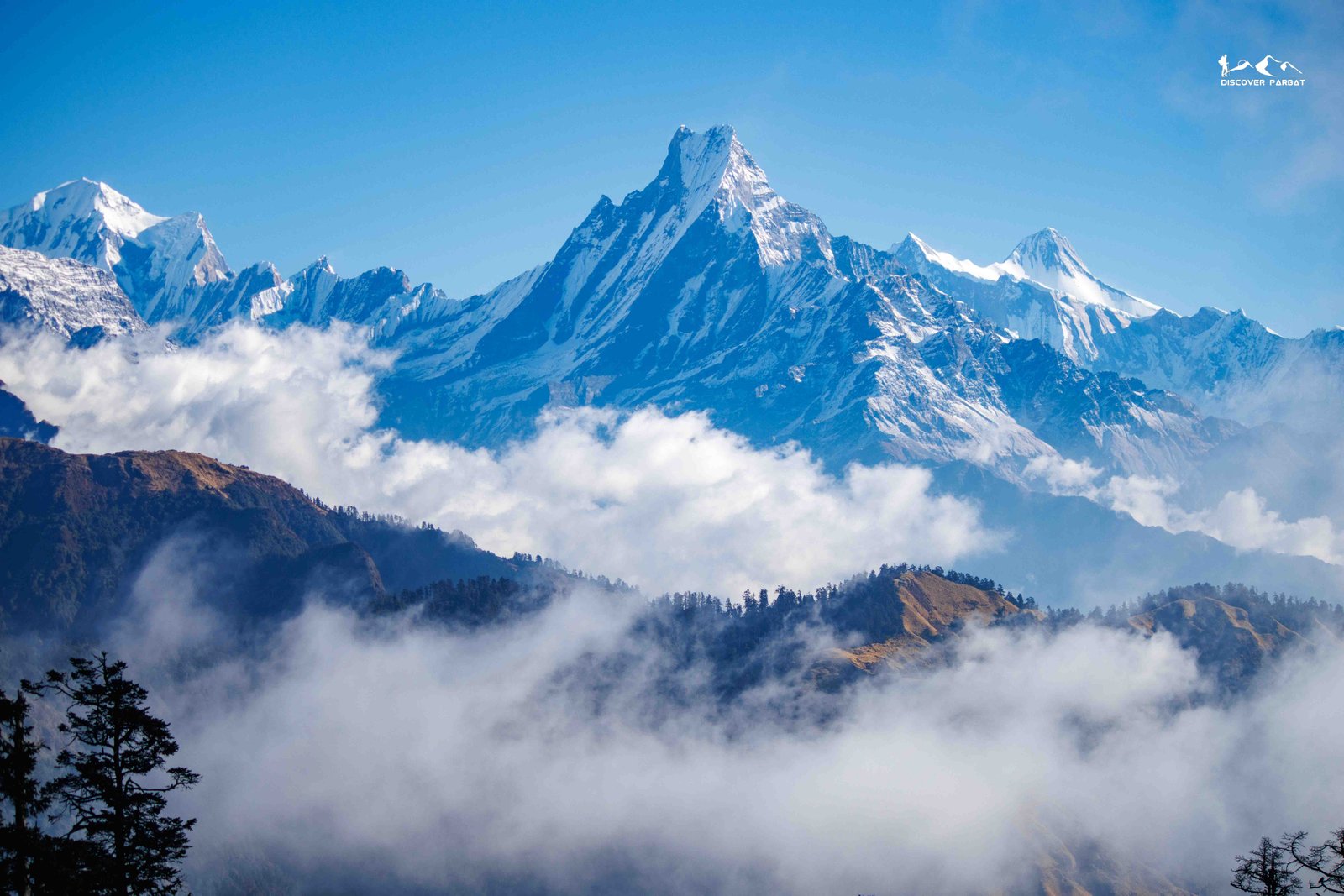
Sea of cloudsThe best ridges for sunrise and sunset above the clouds
To see a sea of clouds, you need to sleep high on a ridge that sits above the valleys where the cloud settles. These four are our favourites in November, and they regularly deliver both the sunrise view and the sunset cloud bridges:
Kokhe Danda
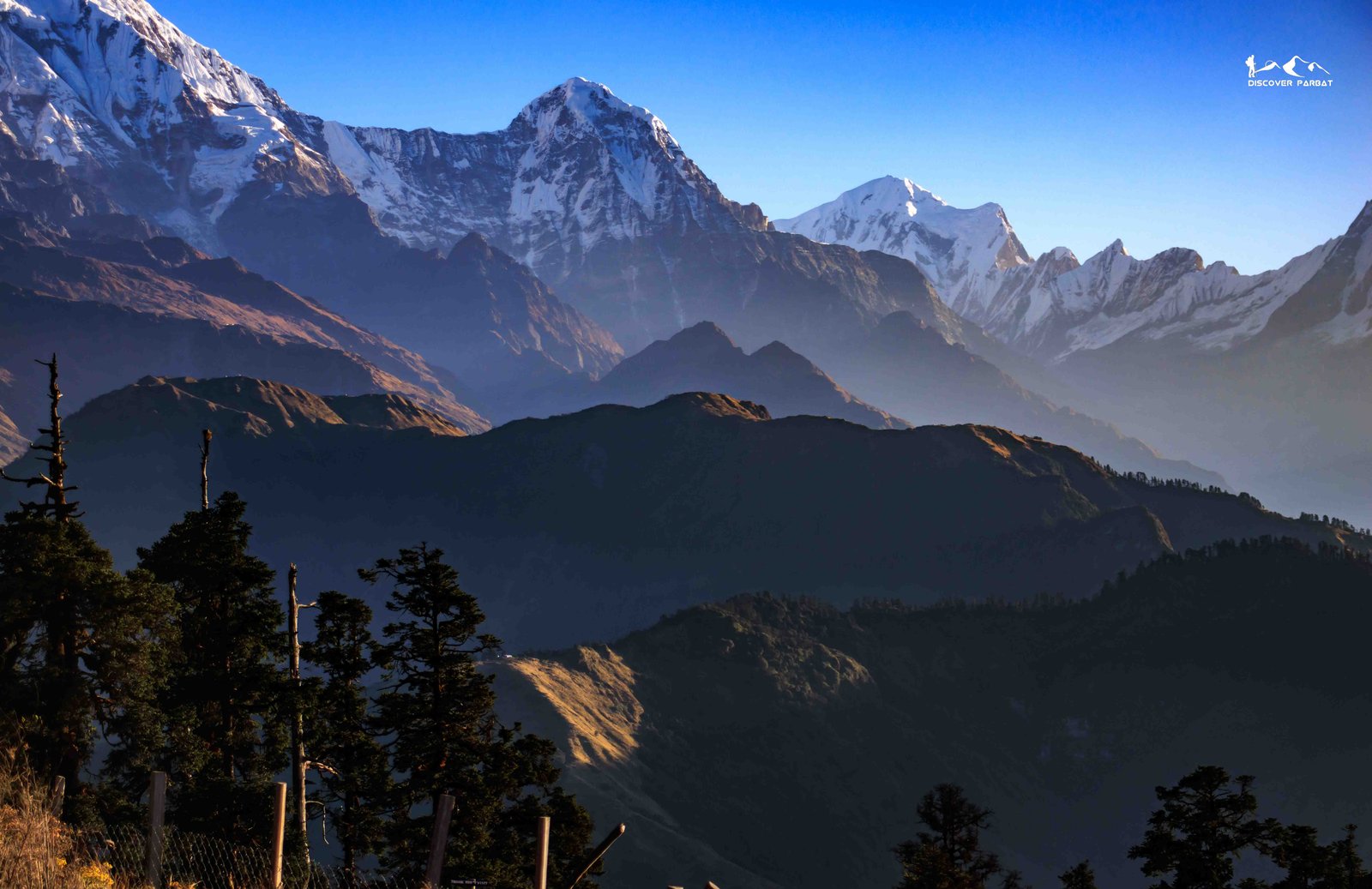
A quiet ridge with family homestays below and a wide view of Dhaulagiri and the Annapurnas. The valleys of Parbat and Myagdi fill with cloud below you at sunrise and sunset.
See the Kokhe Danda Trek →Mardi Himal
Close-up views of Machhapuchhre with the clouds of the Modi and Seti valleys spread out below. High Camp and the viewpoint above are classic sea-of-clouds spots.
Khopra Ridge
A high, open ridge facing Dhaulagiri and Annapurna South, with the Kali Gandaki gorge often filled with cloud far below.
See the Khopra Ridge Trek →Muldai Viewpoint
A quieter alternative to the Poon Hill crowds, with a broad Himalayan panorama and clouds drifting through the valleys at sunrise and sunset.
See the Muldai Viewpoint Trek →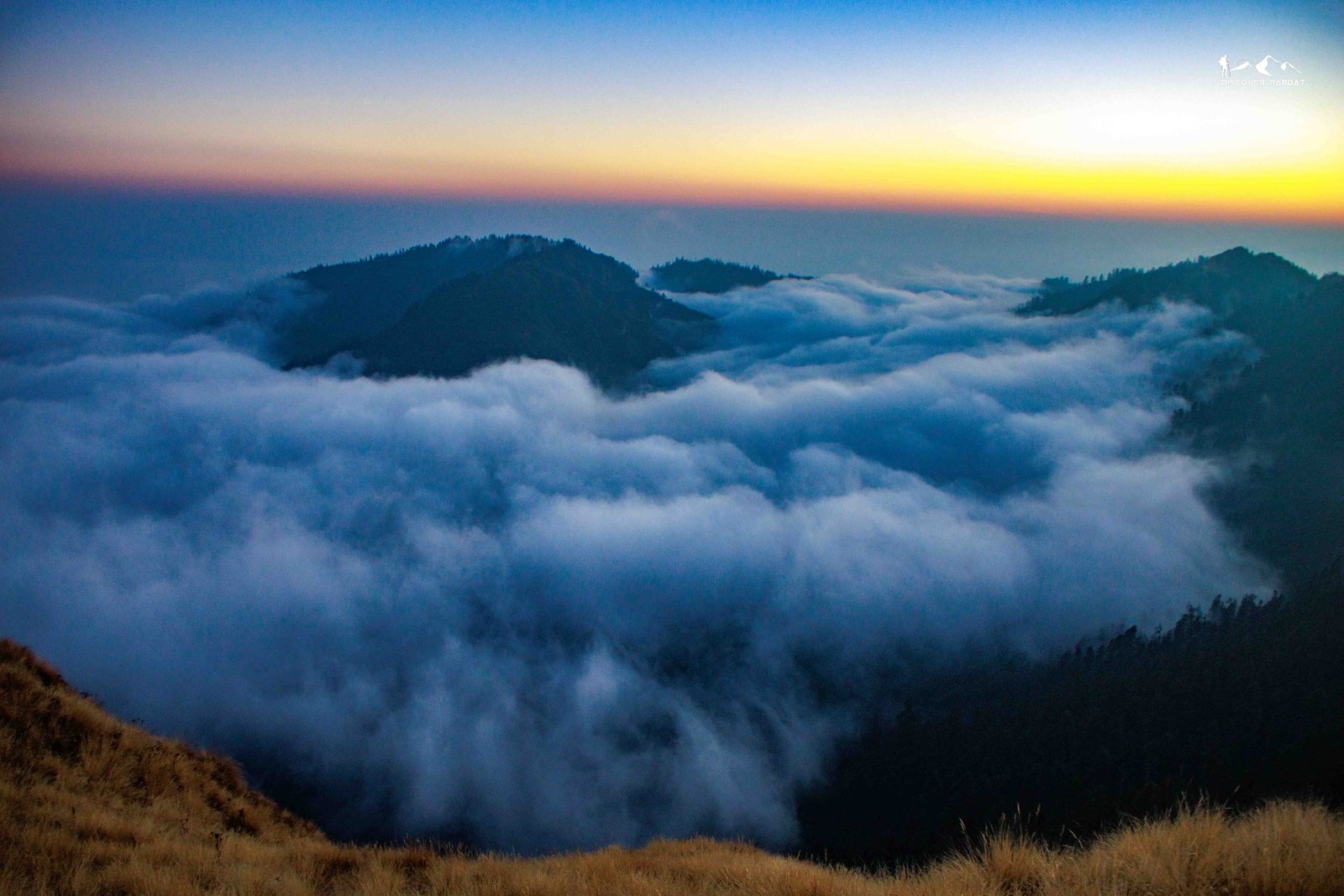
After darkNovember nights: the best time for stargazing
If the clouds haven't cleared by sunset, they almost always do by night. The air is cold and dry after the monsoon, and on ridges far from towns there is very little light. On a moonless night, the Milky Way stretches across the sky above the snow peaks, bright enough to see clearly without a telescope.
For the darkest skies, plan your trek around the new moon. Step outside an hour or two after dinner, give your eyes ten minutes to adjust, and wear everything warm you have. Nights on the ridges drop close to or below freezing in November.
The bigger pictureWhy big rain or snow is unlikely before winter
This is the pattern we have watched in these hills year after year. Once the monsoon withdraws, Nepal has no regular weather system of its own until winter arrives. Winter rain and snow come mainly from western disturbances, systems that start far to the west over the Mediterranean region and pick up moisture along the way, sometimes from the Arabian Sea. Because they arrive from the west, winter snowfall in Nepal usually starts on the western side of the country first, in Karnali and Sudurpaschim, and spreads east from there.
So for Nepal to see prominent rain or snow again before winter properly sets in, it would take either another cyclone from the Bay of Bengal or a strong western disturbance arriving early. Neither is likely in November. That doesn't make it impossible, and last year showed that a late cyclone meeting a western system can bring heavy snow to the high trails. But in a normal year, the weeks after the monsoon and after a passing storm like Arnab are the steadiest window for trekking.
On the trailTrekking conditions now: what to check
Most trails are good to go. The main thing to keep in mind is what the cyclone may have left behind.
- High passes: On Thorong La on the Annapurna Circuit, Larke La on Manaslu and the passes in the Everest region, fresh snow from Arnab may still be lying for a few days. Ask your guide or the lodges ahead about conditions before crossing, and give deep snow a day or two to settle.
- Roads to trailheads: Heavy rain can loosen slopes, so some roads may have small landslides being cleared. A quick check with your trekking company or local drivers before you set off saves trouble.
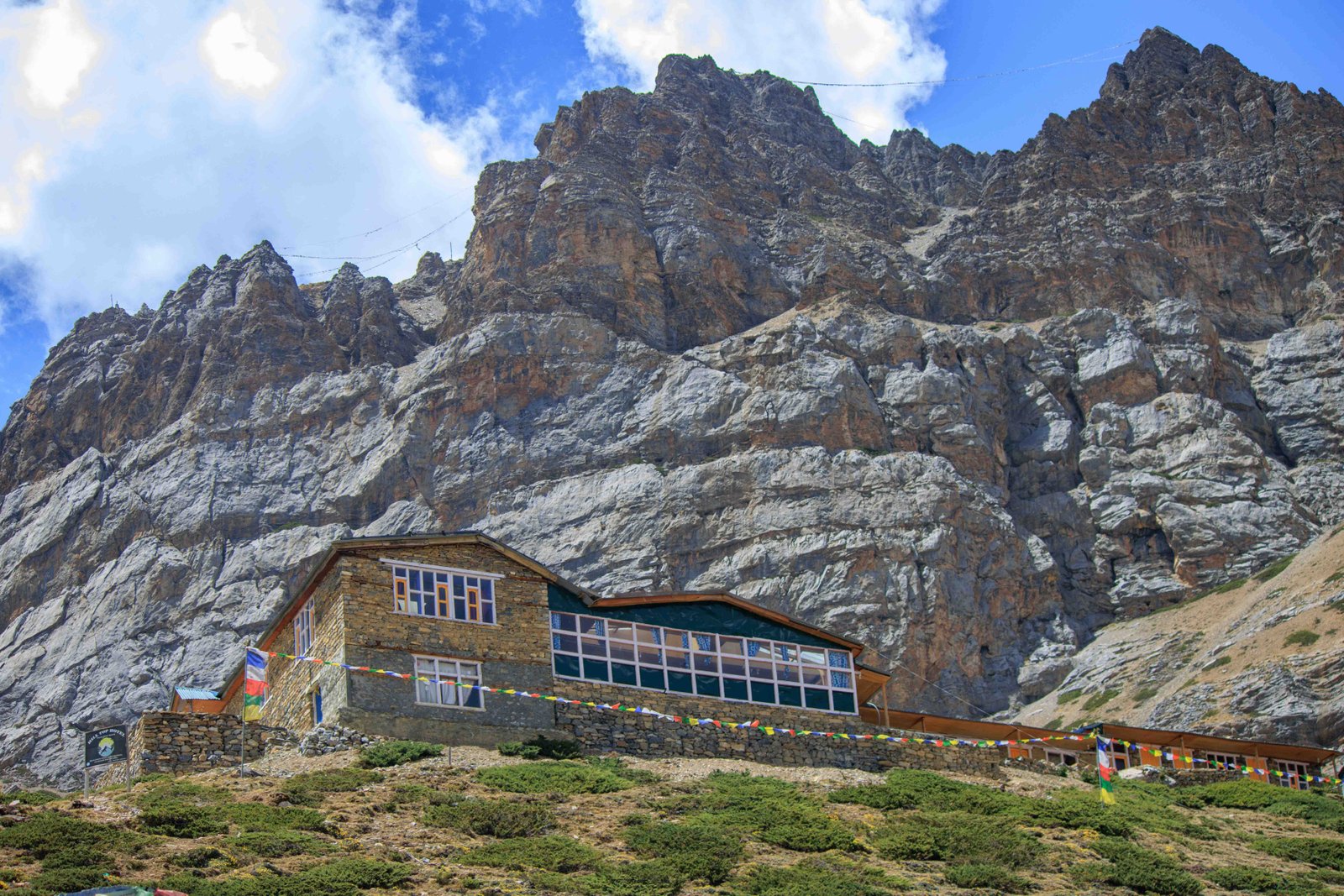
- Mid-altitude ridges: Treks like Kokhe Danda, Muldai and Mardi Himal recover fastest after a storm and are back to normal almost immediately.
- Cold nights: A warm down jacket, a good sleeping bag or liner, gloves and a hat matter more in November than rain gear, though a light shell is worth carrying for the odd afternoon drizzle.
Want sunrise above the clouds without the crowds?
The route, itinerary and costs are on our Kokhe Danda Trek page, with homestays in Magar villages and a ridge-top view of Dhaulagiri and the Annapurnas.
See the Kokhe Danda Trek →Stay updatedKeep an eye on DHM for any changes
The official source for Nepal's weather forecast is the Department of Hydrology and Meteorology at mfd.gov.np. You can also call the weather information line on 1155.
If another cyclone or western system is forecast to affect Nepal, we will publish an update on Discover Parbat as soon as we get the news. Bookmark this page or follow us on Facebook for the latest.
The bottom line
Cyclone Arnab is behind us and November is doing what November does best. Expect clear mornings almost every day, partly cloudy afternoons, sunsets that clear on most evenings and starry nights. Start early, sleep high on a ridge if you can, and you have a good chance of watching the sun rise or set over a sea of clouds. Check high-pass conditions after the fresh snow, keep an eye on DHM, and we'll let you know here if anything changes.
FAQFrequently asked questions about Nepal's weather now
Is it safe to trek in Nepal now after Cyclone Arnab?
Yes, for most trails. The cyclone's effect has passed and stable post-monsoon weather is returning. On high passes, check recent snow and trail conditions with your guide or lodges before crossing, and allow a day or two for fresh snow to settle.
Will it rain or snow in Nepal again before winter?
Prominent rain or snow before winter usually needs another cyclone or a strong western disturbance, which is unlikely in November. Small local clouds can bring a light late-afternoon drizzle now and then, but it is not common. Winter snowfall normally begins later, starting from western Nepal.
What time of day are the mountain views clearest in November?
Early morning. Mornings are clear almost every day. From around 8 to 10 am, small clouds start building around the peaks and valley clouds rise, so the mountains are often partly hidden in the afternoon. On most evenings the views clear again for sunset, and the night sky is usually clear.
Where can I see a sea of clouds in Nepal?
High ridges above the valleys are best. Kokhe Danda, Mardi Himal, Khopra Ridge and Muldai Viewpoint regularly look down on a sea of clouds at sunrise and sunset in November, often with clouds bridging the hills and the snow peaks.
Is November good for stargazing in Nepal?
Yes. Nights are usually clear after the afternoon clouds settle, and on ridges away from towns the Milky Way is often visible. Pick a night near the new moon for the darkest skies and dress warmly.
Where can I check the latest Nepal weather forecast?
Follow the Department of Hydrology and Meteorology (DHM) at mfd.gov.np or call the weather information line 1155. Discover Parbat will also publish an update as soon as any new system is forecast.