Nepal's monsoon is over: what it means for the trekking season
Nepal's monsoon officially withdrew from the country on 14 October 2026, opening the door to the autumn and early-winter trekking season.
According to the Department of Hydrology and Meteorology, this year's withdrawal finished 12 days later than the normal date of 2 October. The process started in western Nepal earlier in the month before reaching the rest of the country.
Source: OnlineKhabar
- Withdrawal completed
- 14 October 2026
- Normal date
- 2 October
- This year
- 12 days late
For trekkers, photographers and anyone who loves the mountains, this is the start of one of the most rewarding times to be in the Himalayas. The coming weeks usually bring steadier weather, sharper mountain visibility and good walking conditions across much of Nepal.
In recent years the monsoon has often hung on into the second week of October, so the switch to the main autumn season is now something to watch for rather than assume on 1 October. With it officially over, the weeks ahead are a great time to enjoy Nepal's mountain landscapes, traditional villages, forest trails and panoramic viewpoints.
Season outlookNepal weather after the monsoon: what to expect from October to December
Once the monsoon withdraws, conditions across most of Nepal become drier and more settled. October, November and the first half of December are typically excellent trekking months, with long spells of clear weather and plenty of chances to see the Himalayas at their best.
Going by recent seasonal patterns, the rest of October, all of November and the period up to around mid-December should be mostly clear, though the odd cloudy day, shower or passing disturbance is still possible.
Recently, the first significant winter snow or rain in many trekking areas has also tended to arrive later, often in the first half of January. That's an observed trend rather than a fixed rule, and winter weather can come earlier or later depending on the systems affecting Nepal.
If you're planning an autumn trek, the window between now and mid-December looks very promising. Clear skies also mean busy trails, especially during the Dashain and Tihar holidays, so read our guide on booking teahouses in advance before you go.
Why October, November and early December are ideal for trekking
The post-monsoon period pairs stable weather with landscapes refreshed by months of rain. Hillsides stay green, forests are lush, and on clear days the surrounding peaks look especially crisp and dramatic. It suits everything from the classic Himalayan routes to quieter trails through remote villages and lesser-known viewpoints.
- Clear Himalayan views: better chances of seeing Annapurna, Dhaulagiri, Machhapuchhre and the wider ranges.
- Good trail conditions: many paths dry out as the season goes on.
- Beautiful landscapes: green hills, terraced fields, forests and traditional villages.
- Great photography: clear mornings, golden-hour light and dramatic cloud.
- Panoramic viewpoints: high ridges and hilltops with ranges stretching across the horizon.
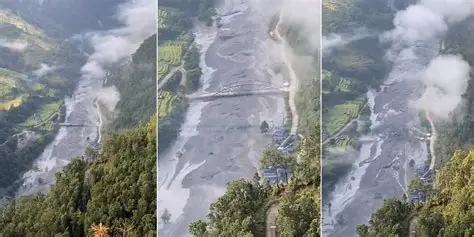
Check your route first. Conditions vary with altitude and location. Recent rain, landslides, damaged bridges or closures can still affect individual trails. The Manaslu Circuit, for example, is currently cut off from the south after a flash flood; see our Manaslu trek update and alternatives.
VisibilityThe best time of day to see clear Himalayan mountains
One of the most useful things to know about trekking in Nepal after the monsoon is that mountain visibility changes through the day. Even in the clearest months, the peaks aren't necessarily on show from sunrise to sunset; local cloud forming around the Himalayas is normal, especially during the autumn transition.
Early morning: the clearest mountain views
In many Himalayan trekking areas the mountains are completely clear in the early hours. Until roughly 9 AM you often get excellent, cloud-free views of the surrounding peaks.
As the sun climbs and the ground warms, cloud can start forming around the ranges and gradually build through the day, sometimes hiding the very summits you saw clearly a few hours earlier. If you're staying at a viewpoint or in a village with an open panorama, getting up early makes a real difference.
Afternoon: clouds may build around the peaks
Later in the day, rising temperatures and local atmospheric conditions encourage cloud around the mountains. It may gather along ridgelines, wrap the high peaks or drift up the valleys. Visibility drops for a while, but the scenery can be dramatic, with summits appearing and disappearing between layers of cloud.
Cloud timing and cover vary from day to day, so a grey afternoon doesn't mean the next morning will be cloudy.
Sunset: another chance for mountain views
In the late afternoon and around sunset, cloud sometimes clears again. On a good evening the last light turns the snow peaks gold, orange and pink. Sunset is rewarding for photographers too, but it's less predictable than a clear early morning and depends on the day's weather.
From mid-NovemberSunrise above the clouds: Nepal's sea of clouds season
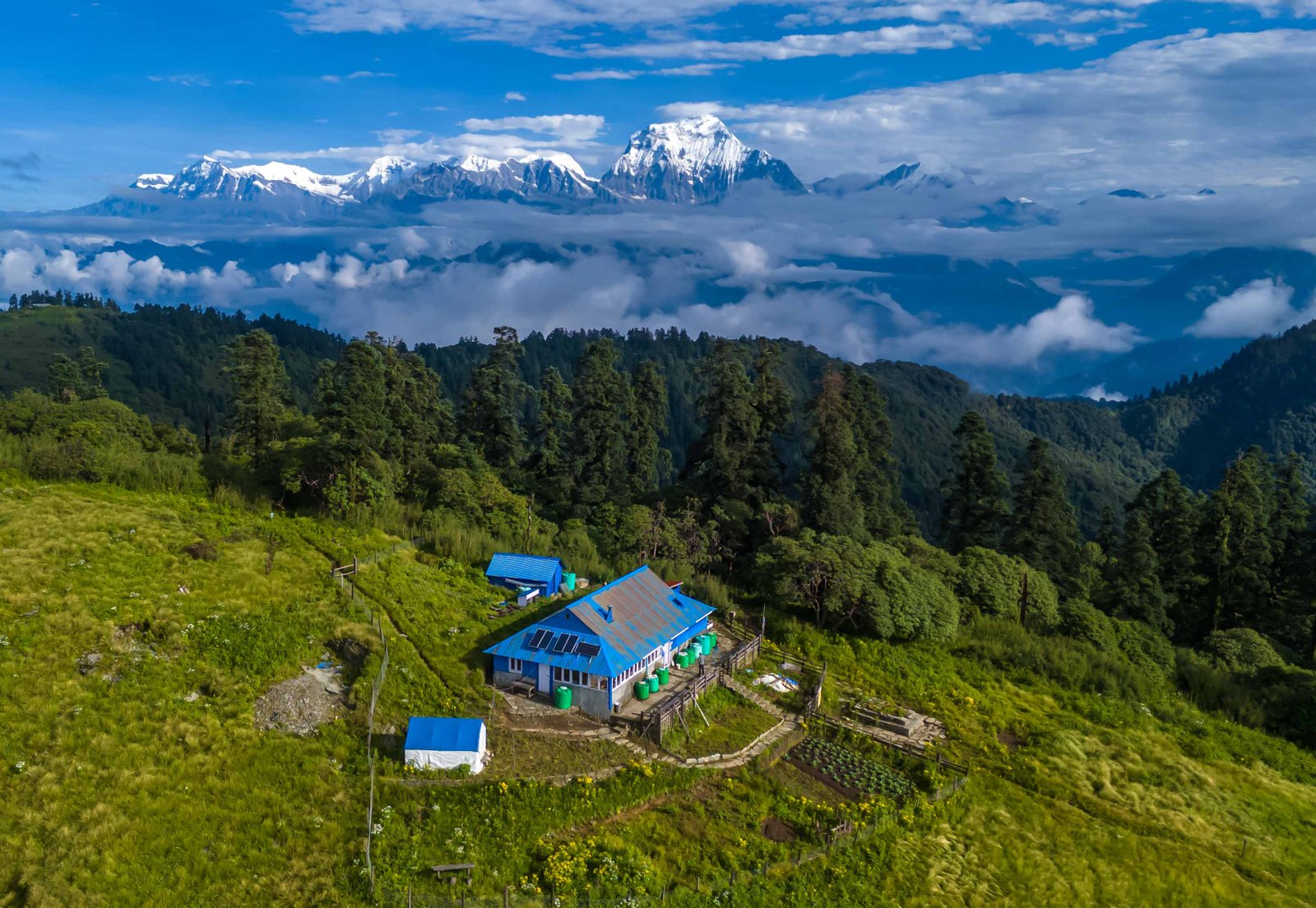
One of the most spectacular sights of Nepal's post-monsoon season is a sunrise or sunset above a sea of clouds.
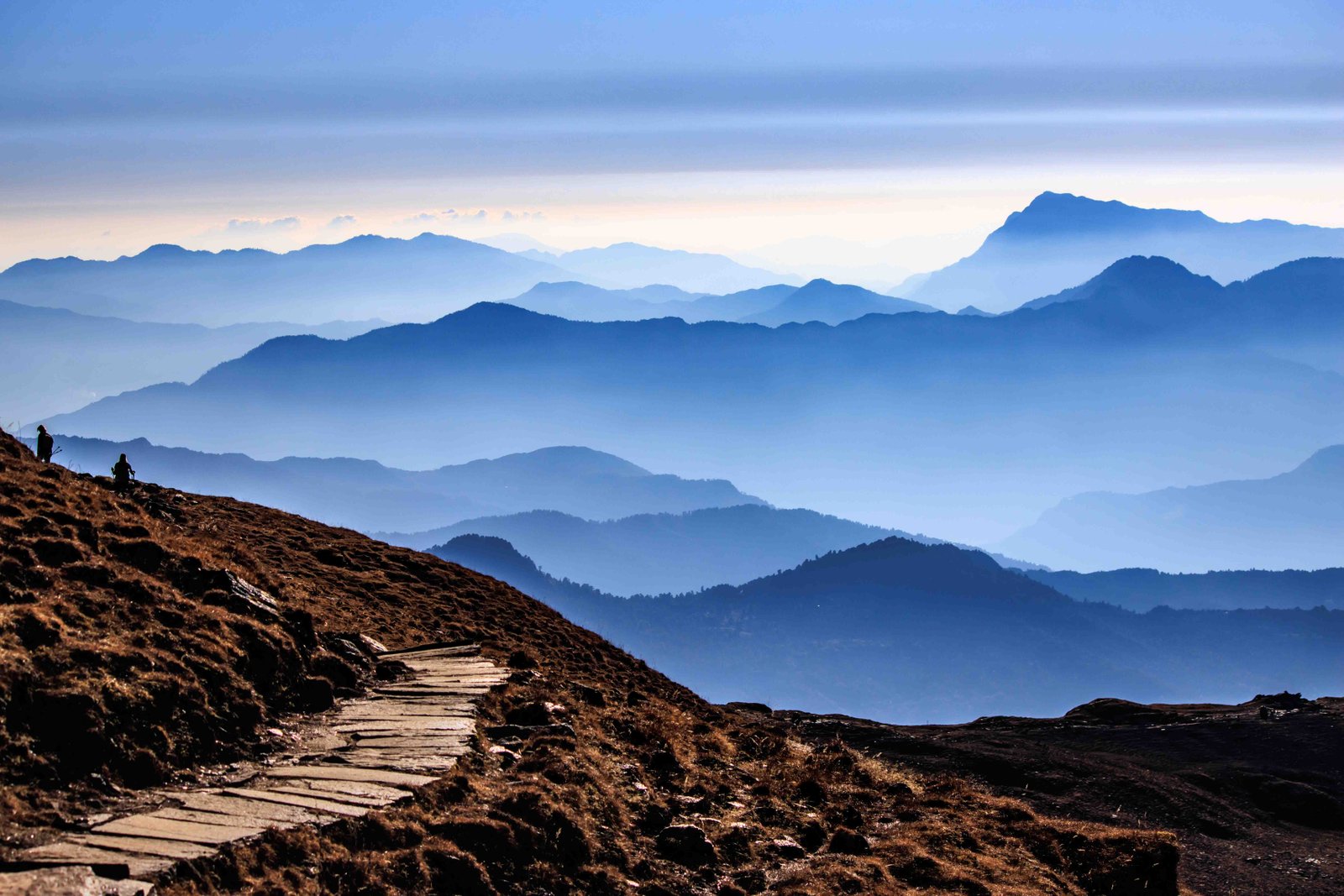
From around mid-November, hill viewpoints above roughly 3,000 metres can offer particularly good chances to see it when conditions line up. Cloud settles into the lower valleys while ridges and high viewpoints stay above it, so from the right spot the land looks like an ocean of white stretching between the hills, with the Himalayan peaks rising beyond.
Sunrise is especially rewarding as first light hits the mountains while the cloud stays below you. Similar scenes can happen around sunset when the atmosphere and cloud cooperate.
Not guaranteed, but worth planning for. A cloud inversion depends on the day's conditions, but it's one reason November is such a good month for high ridges and panoramic viewpoints like Khopra Ridge, and for quieter alternatives to the busiest routes.
Where to goBest treks in Nepal after the monsoon
With the monsoon gone, you can start planning a trek in almost any of Nepal's mountain regions. The best choice depends on the scenery you want, how much time you have and the current condition of the route.
1. Annapurna Circuit Trek
A long Himalayan journey through changing landscapes, traditional settlements and high mountain terrain, crowned by the crossing of Thorong La (5,416 m). October and November are its traditional peak months, but high-altitude weather can turn quickly, so check trail, road and bridge conditions after heavy rain.
View the Annapurna Circuit →2. Kokhe Danda Trek
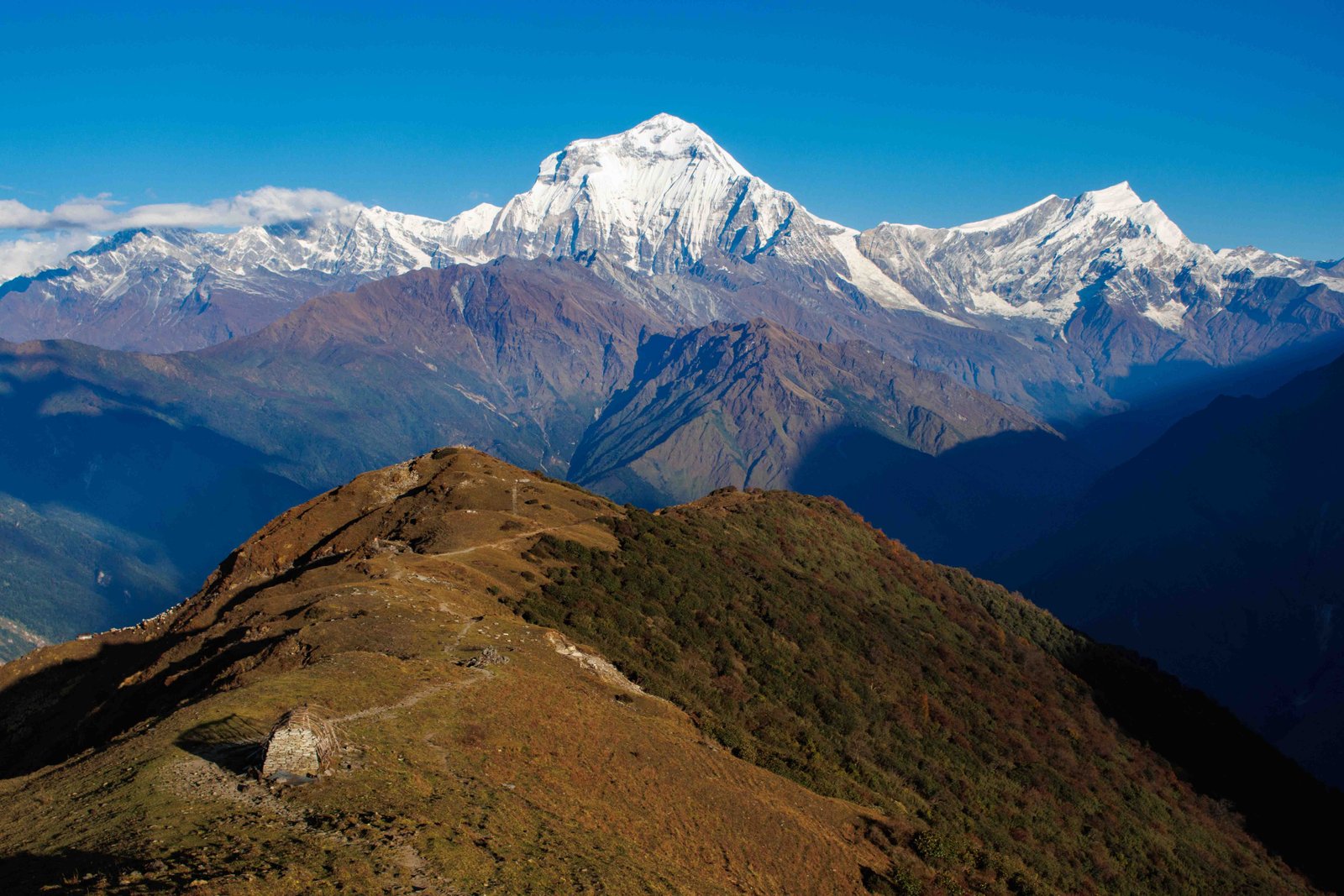
Our signature trail in Parbat, built around homestays in Haljure and Magar village life in Lespar, with forest paths and ridges that open onto the Dhaulagiri and Annapurna ranges. After the monsoon the views can be superb, and you'll be far from Nepal's busiest corridors.
View the Kokhe Danda Trek →3. Short Multiple Viewpoints Trek
A compact way into the Annapurna region through viewpoints, Gurung villages, forest trails and scenic ridges. Clear mornings bring the best panoramas, and shifting afternoon cloud adds atmosphere. Want more time? The 14-day Multiple Viewpoints Trek adds Mardi Himal and Khayer Lake.
View the short trek →4. Khopra Ridge Trek
Expansive views towards Dhaulagiri and Annapurna and a quieter alternative to the busier Annapurna trails, passing villages with a strong sense of local mountain life. November can be especially rewarding for big panoramas and, with luck, a sea of clouds.
View the Khopra Ridge Trek →Good to knowDoes the end of the monsoon mean there will be no more rain?
No. The monsoon's official withdrawal doesn't make rain impossible. Weather authorities note that local winds and westerly systems can keep influencing Nepal afterwards, bringing occasional rain, snow at higher elevations or reduced visibility.
The weather should stay favourable for much of October, November and early December, but a seasonal outlook isn't a daily forecast. High-altitude weather is especially changeable: nights get much colder, and snow or strong wind can hit mountain passes even when the valleys are pleasant.
Before you set out, check the latest forecast, talk to local guides and confirm that the trails, bridges and access roads on your route are open.
Final thoughts: the Himalayan trekking season is underway
The monsoon's official withdrawal on 14 October 2026 marks a key seasonal shift for Nepal's trekking and tourism industry. With the monsoon tending to linger into the second week of October in recent years, the next few weeks matter for anyone preparing to head into the mountains.
October, November and the first half of December should bring mostly clear weather, great mountain views, village exploration and photography. Early mornings usually give the clearest peaks, and from mid-November high viewpoints above 3,000 metres can deliver beautiful cloud inversions. The first big winter snow or rain has arrived later recently, sometimes in the first half of January, though that can vary.
Whether you choose a classic route like the Annapurna Circuit or a quieter trail through the hills of Parbat on the Kokhe Danda Trek, this is a wonderful time to experience Nepal.
Frequently asked questions
When did the monsoon end in Nepal in 2026?
Nepal's Department of Hydrology and Meteorology confirmed the monsoon fully withdrew on 14 October 2026, 12 days later than the normal withdrawal date of 2 October. Withdrawal began in western Nepal earlier in October.
Is October to December a good time to trek in Nepal?
Yes. The rest of October, all of November and roughly the first half of December are usually dry and stable, with long spells of clear weather and good mountain visibility. Occasional cloud, rain or high-altitude snow is still possible.
What time of day are the Himalayas clearest?
Early morning, usually until about 9 AM. Clouds often build around the peaks as the day warms, then sometimes clear again in the late afternoon and around sunset.
When can I see a sea of clouds in Nepal?
From around mid-November, viewpoints above roughly 3,000 metres can sit above cloud filling the valleys at sunrise or sunset. It is not guaranteed on any given day, but November is one of the best months for it.
Does the end of the monsoon mean no more rain?
No. Local winds and westerly systems can still bring occasional rain, high-altitude snow or reduced visibility. Check the latest forecast and trail, bridge and road conditions before you set out.