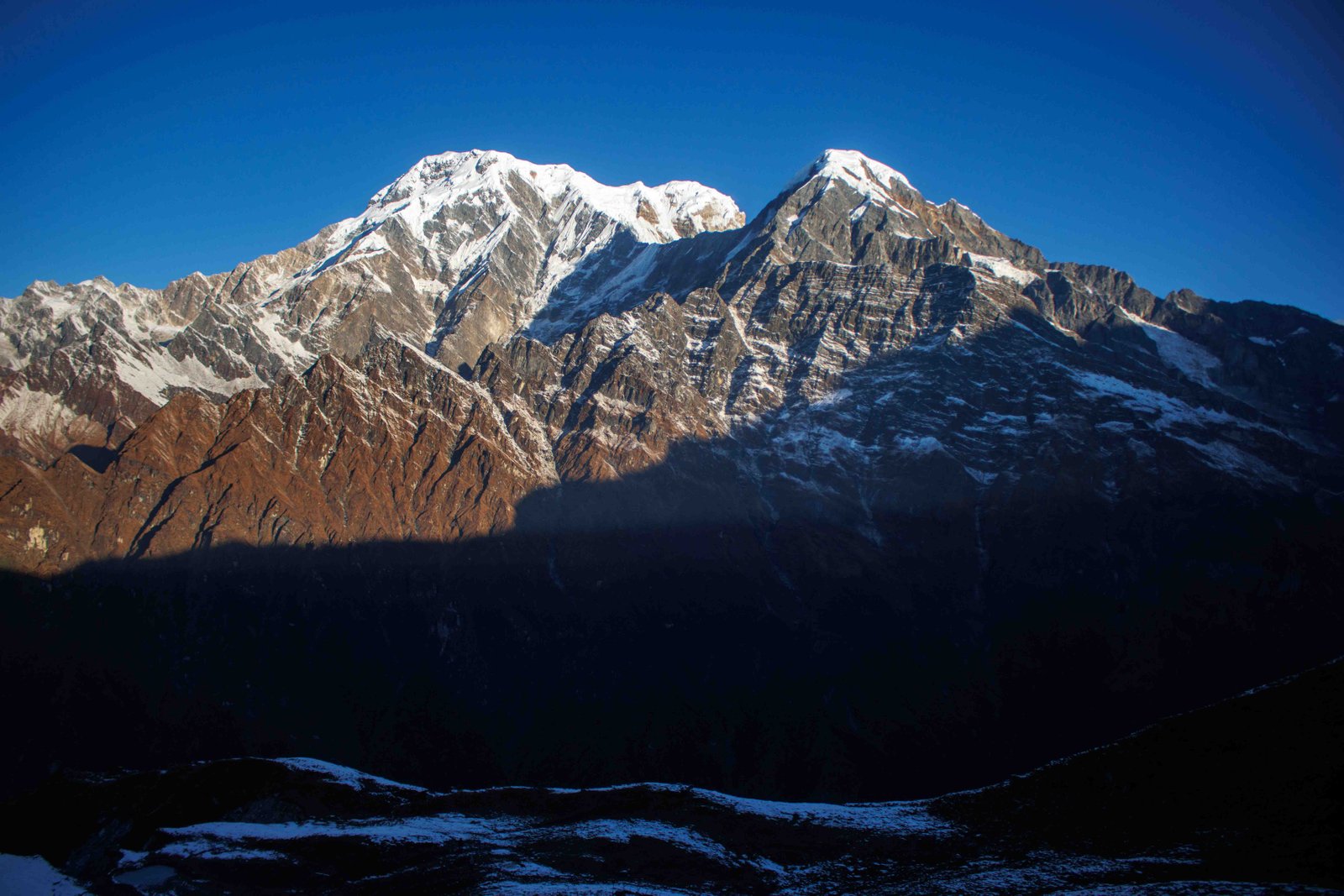

Discover Parbat District, Nepal
Parbat District is a small hill district in Gandaki Province, western Nepal, tucked between Pokhara and Beni along the Kali Gandaki River. Thousands of travellers drive through it every season on their way to the Annapurna trails and Mustang, yet very few stop.
That is a shame, because Parbat offers something the famous routes often can't: traditional villages, welcoming family homestays, home-cooked food, dramatic river gorges, adventure in Kushma and quiet hill trails where you may not meet another trekker all day. The mountains are part of the view here, but it is everyday village life that makes a visit memorable.
We are a local team from Parbat, and this guide is how we would introduce our home district to a friend: what it is like, what to do, where to stay, when to come and how to get here.
Getting to know ParbatRiver gorges, hill villages and a slower pace
Parbat's landscape is shaped by its rivers. The Kali Gandaki cuts a deep gorge through the district, and the Modi Khola and its valleys add to the varied terrain. Above the rivers, terraced farmland climbs towards forested ridges, and villages sit on hillsides and ridgelines connected by rural roads, footpaths and farm trails.
Kushma, the district headquarters, sits above the Kali Gandaki and is the natural starting point for a visit. It is the base for Parbat's adventure activities and the gateway to the villages in the hills beyond. The district is made up of two municipalities, Kushma and Phalebas, and five rural municipalities: Jaljala, Bihadi, Mahashila, Modi and Painyu.
But Parbat is much more than Kushma. The hills are home to communities with their own languages, customs, food and festivals, and Magar communities are central to the cultural identity of many villages. In places like Lespar, life still follows the rhythm of the land: terraced fields, seasonal farming, livestock, traditional kitchens and neighbours gathering at the end of the day.
For many visitors, these ordinary moments become the highlight of the trip. You don't need a major attraction every day to appreciate Parbat. A home-cooked meal with a host family, a walk between villages with a local guide or an evening conversation by the fire can show you more of Nepal than a quick sightseeing stop ever could.
Things to doThings to do in Parbat District
Whether you have a few hours in Kushma or several days in the hills, there is plenty to do in Parbat. Adventure brings many people here, but the caves, temples, food and village homestays are just as good a reason to stay longer.
Bungee, zipline and suspension bridges in Kushma
Kushma has become known as one of Nepal's adventure towns. The deep Kali Gandaki gorge is the backdrop for its bungee jump and zipline, and for long suspension bridges strung high above the river.
Even if you have no plans to jump, walk out onto one of the bridges. With the gorge walls rising on either side and the river far below, it is the best way to feel the scale of the Kali Gandaki valley.

Give yourself time for Kushma itself, too. A walk through town, a meal at a local restaurant and a chat with residents will show you how tourism is slowly becoming part of the district's life.
Gupteshwar Cave and local temples
Parbat has a rich religious heritage, and Gupteshwar Cave is one of its best-known sacred sites. Caves have a special place in Nepali religious tradition as places of worship, meditation and pilgrimage, and visiting one gives you a glimpse of how local communities connect the natural world with their faith.

Maha Shivaratri, the festival honouring Lord Shiva, is an especially meaningful time, when devotees come to caves and temples across the district for prayers and offerings. If you visit during a festival, ask a local or your guide about suitable clothing, photography and customs. These are active places of worship, and visiting them with curiosity and respect is the best way to appreciate them.
Stay in a village homestay
For travellers who want to experience real Nepali life, a village homestay is one of the best reasons to come to Parbat. Instead of a hotel room, you stay in a family home, share meals with your hosts, watch traditional cooking and hear stories about the village and its history.
In Haljure, dinner is often cooked over a wood fire in a traditional kitchen, and with almost no light pollution, the night sky fills with stars. In the Magar village of Lespar, hosts welcome visitors into their homes and share their customs and way of life.
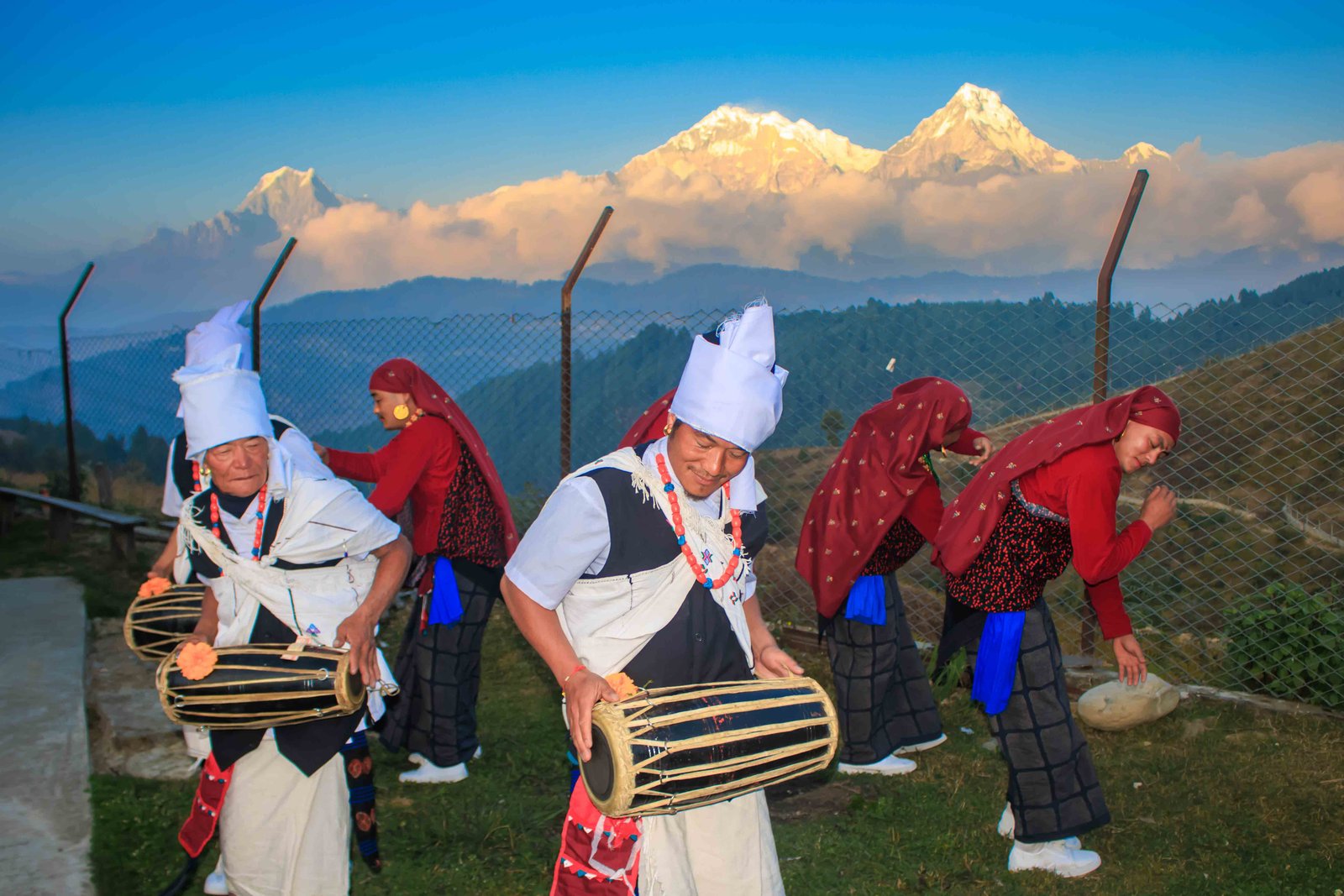
The experience is simple rather than luxurious. Facilities vary from home to home and are more basic than in established trekking areas, but that simplicity is part of the appeal. Your money for meals, beds and guiding also goes directly to families in communities that see far fewer visitors than Nepal's big trekking centres.
Taste local food and village life
A village meal in Parbat usually means dal bhat with seasonal vegetables, lentils and homemade pickles, cooked from what the family grows. In Lespar, you can even learn to fold momos by hand with your hosts before eating them together.
Traditional kitchens are social spaces where the family cooks and catches up on the day's news, and with your host's permission, sitting by the hearth can become one of your favourite memories. Between meals, wander the terraced fields, look at the stone-and-mud houses and see how the village organises its day.
TrekkingTrekking in Parbat District
The best way to see Parbat on foot is the Kokhe Danda Trek, a route we opened at Discover Parbat together with local guides from the district. It links Magar villages, forest trails and family homestays with Kokhe Danda, which at 3,310 m is the highest point in Parbat District. The ridge sits beside Mohare Danda, just across the border in Myagdi.
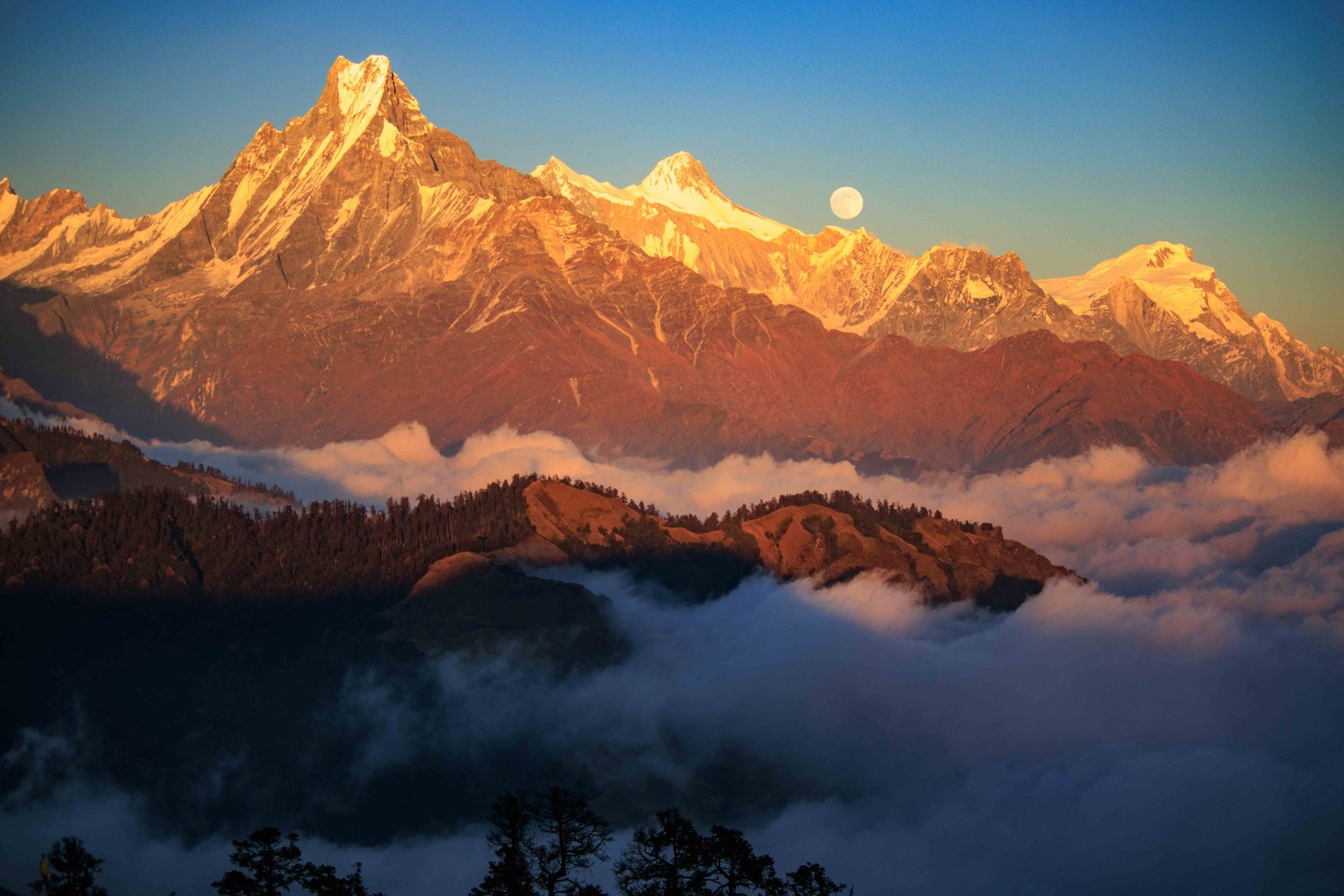
Along the way you stay with families in Haljure, join a momo-making session in Lespar and walk through rhododendron and oak forest. On clear days the view from the top stretches from Dhaulagiri and the Annapurna range to Manaslu and Langtang. Because the trail is new, it sees very few trekkers.
Planning to trek in Parbat?
The full day-by-day itinerary, prices, inclusions and route map are on the Kokhe Danda Trek page.
See the Kokhe Danda Trek →Short on time? The Short Kokhe Danda Trek covers the highlights in fewer days, while the Multiple Viewpoints Trek combines Parbat with several of the Annapurna region's best viewpoints. If you are deciding between treks, read our comparisons: Kokhe Danda as an alternative to Poon Hill and Kokhe Danda vs Mardi Himal.
Best timeBest time to visit Parbat District
You can visit Parbat for much of the year, but the best time depends on what you want to do.
Autumn (October to November) is the classic season. After the monsoon, the hills are green, the air is clear and the mountain views are at their best.
Spring (March to May) brings warmer days and rhododendrons blooming in the forests. It is a lovely time for village walks and hill trails.
Winter (December to February) often has crisp, clear skies and comfortable days in the lower villages. Nights on the higher ridges are cold, so bring warm layers.
Monsoon (June to September) turns the hills lush and quiet, but heavy rain can make trails slippery and roads slow. Keep plans flexible if you travel then.
For walking in the hills, autumn and spring are usually the best choice. For a month-by-month breakdown of conditions on the ridge, see our guide to the best time to trek Kokhe Danda.
Getting thereHow to get to Parbat District
From Pokhara
Pokhara is the easiest starting point. Kushma is about 57 km away, roughly a 1.5-hour drive along the highway through the hills, which makes Parbat an easy day trip or a relaxed add-on to a Pokhara stay. The drive takes you past rural settlements and into the Kali Gandaki valley.
If you are coming to trek, Pokhara is also the place to organise gear and supplies. For our treks, we arrange private transport from Pokhara, usually with a stop in Kushma on the way into the hills.
From Kathmandu
From Kathmandu, fly or drive to Pokhara first, then continue to Kushma by road. Most travellers break the journey with a night in Pokhara rather than trying to connect straight onto a trek.
Parbat fits naturally into a wider Nepal itinerary that combines Kathmandu, Pokhara and the Annapurna region. If you would like help planning that, our custom trek page is a good place to start.
Travel with localsWhy travel with a local Parbat company?
Many of Parbat's best experiences happen away from the main road, in villages where a local connection makes all the difference.
Discover Parbat was founded by people from Parbat District who wanted travellers to see the region through local eyes. To us, Parbat isn't just a destination. It is home to the villages, families and traditions that give it its character.
Our guides helped build the Kokhe Danda Trek and know the trails and the families along them personally. They can explain village customs, introduce you to your hosts, and help you understand local expectations around photography, religious sites and daily life, which turns a walk through a village into a real exchange.
Booking locally also keeps your spending in the district, with guides, homestays and meals all supporting the people who live here. Read more about why trekkers choose Discover Parbat.
Whether you want adventure in Kushma, a visit to the caves and temples, home-cooked food or quiet walks through Magar villages, we would love to show you our district.
FAQFrequently asked questions about Parbat District
Where is Parbat District in Nepal?
Parbat District is in Gandaki Province in western Nepal. It lies along the Kali Gandaki River between Pokhara and Beni, and its headquarters is Kushma, about 57 km from Pokhara.
Is Parbat worth visiting?
Yes, especially if you enjoy village life, home-cooked food, local culture and quiet trails. Parbat combines adventure in Kushma with Magar village homestays and hill treks, and sees far fewer visitors than Nepal's famous routes.
How far is Kushma from Pokhara?
Kushma is about 57 km from Pokhara, roughly a 1.5-hour drive by road, which makes Parbat an easy day trip or a short add-on to a Pokhara stay.
What is Parbat District known for?
Parbat is known for Kushma's bungee jumping, zipline and suspension bridges over the Kali Gandaki gorge, Gupteshwar Cave, traditional Magar villages such as Lespar, family homestays and Kokhe Danda, the highest point of the district at 3,310 m.
Can you trek in Parbat District?
Yes. The main trek is the Kokhe Danda Trek, an easy 5-day trek from Pokhara through Magar villages and family homestays to Kokhe Danda (3,310 m), with views of Dhaulagiri and the Annapurna range.