
The short answerWhy trek Kokhe Danda with Discover Parbat?
Because we are the team that found and shaped the route. Our guides come from Parbat, we have worked with the homestay families in Haljure and Lespar since the trail began, and we book every night of your trek by phone with people who know us by name. Any good licensed guide can lead you safely; we add the context, the relationships and the stories.
Once you have settled on the Kokhe Danda Trek, the next question is who to walk it with. On a famous trail, that choice matters less. On a young route like this one, it shapes the whole trip.
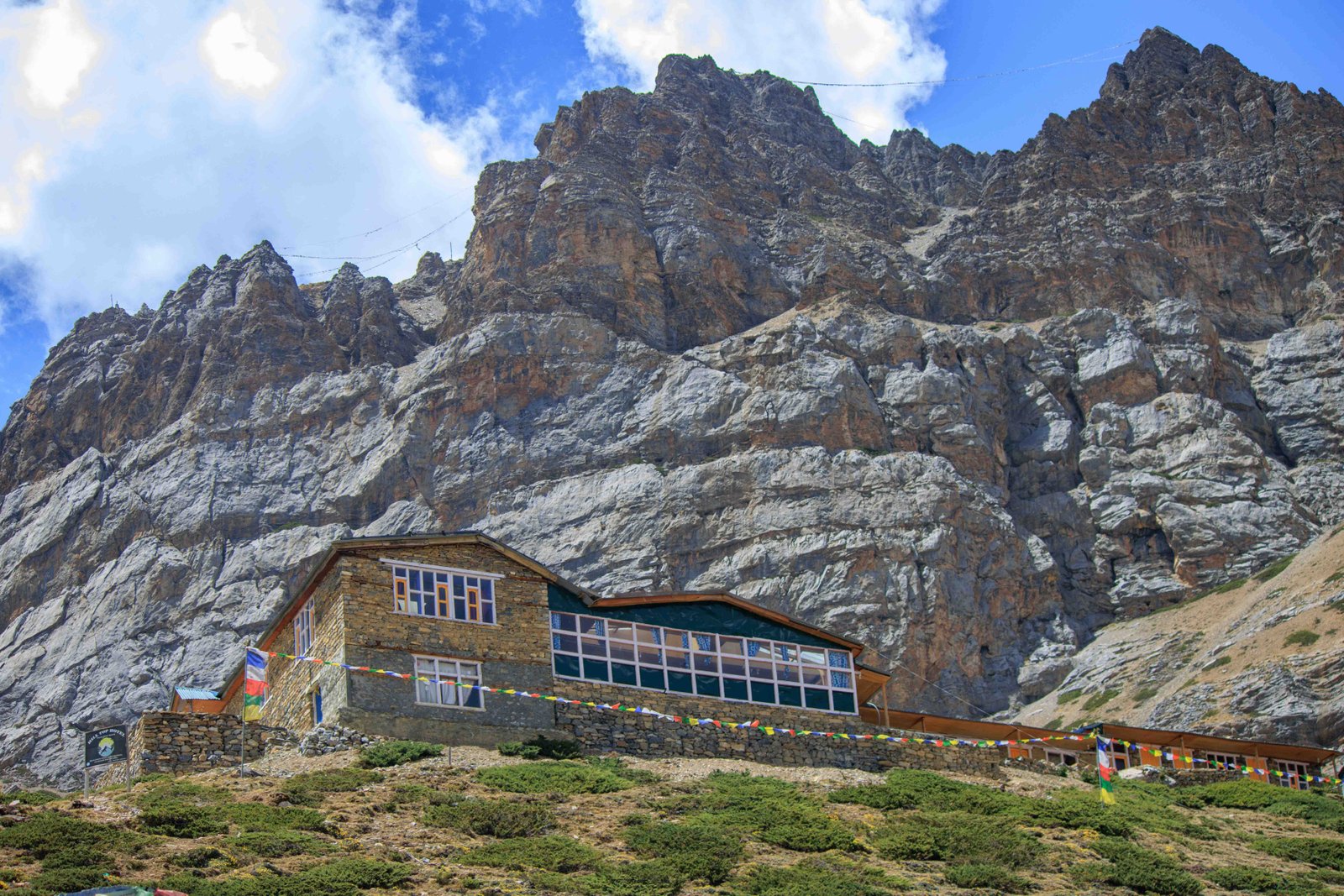
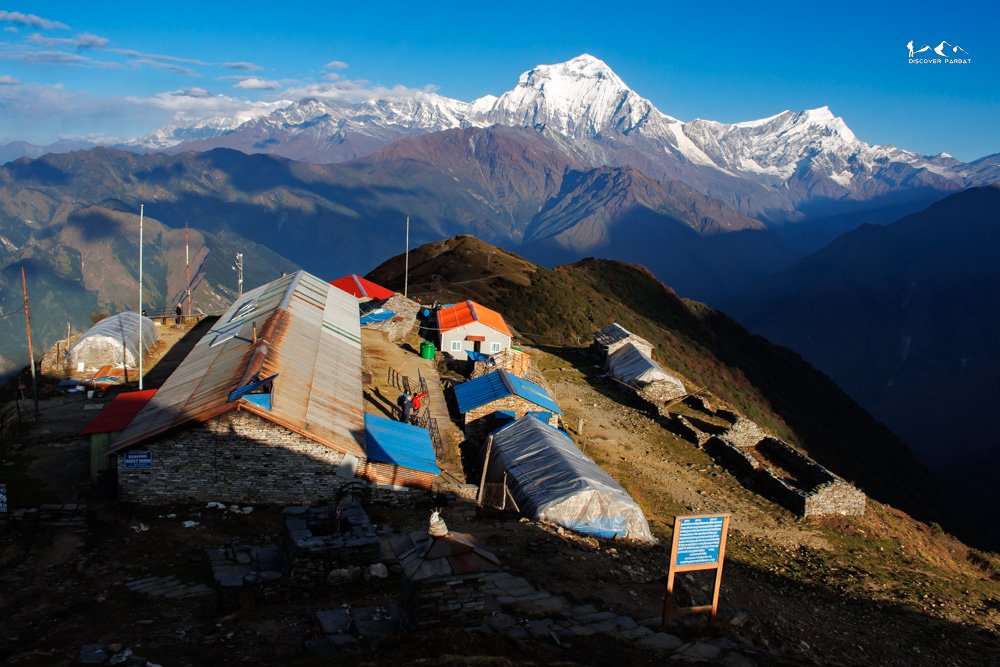
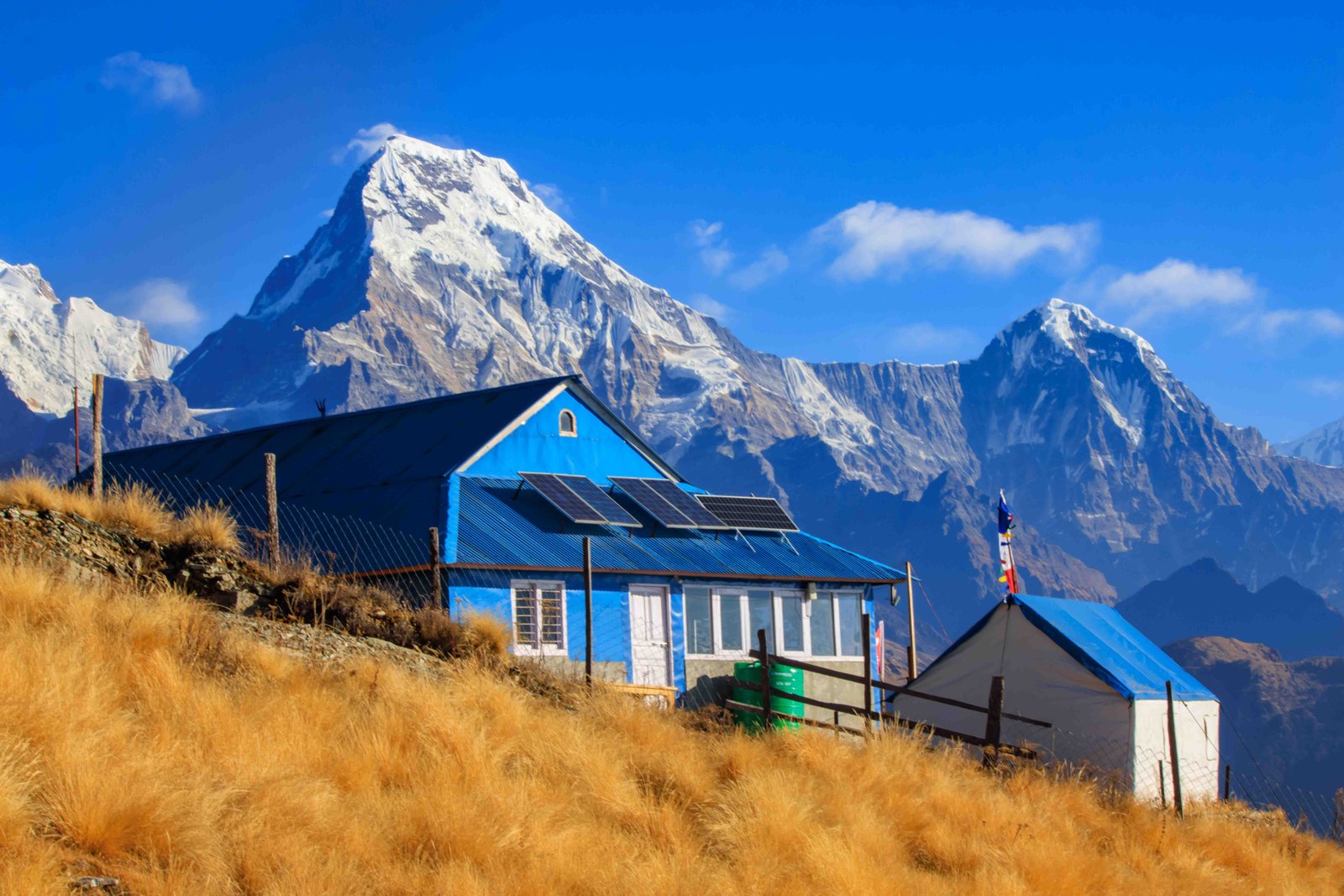
Kokhe Danda runs through farming villages that saw almost no trekkers until a few years ago. There is no long line of lodges, no signposted highway of teahouses and no crowd to follow. The nights are spent in family homes and a handful of ridge-top teahouses, arranged in advance by phone. The trail passes temples, forests and fields whose stories you only hear if someone tells them to you.
This page explains who we are, how the route came to exist, and why trekkers choose to walk it with us. If you are comparing guides or agencies, it also gives you an honest picture of your options, and a checklist you can use whoever you book with. For the itinerary, route and price, head to the main Kokhe Danda Trek page; we keep those details there.
Our storyFrom a Facebook page to a trekking route
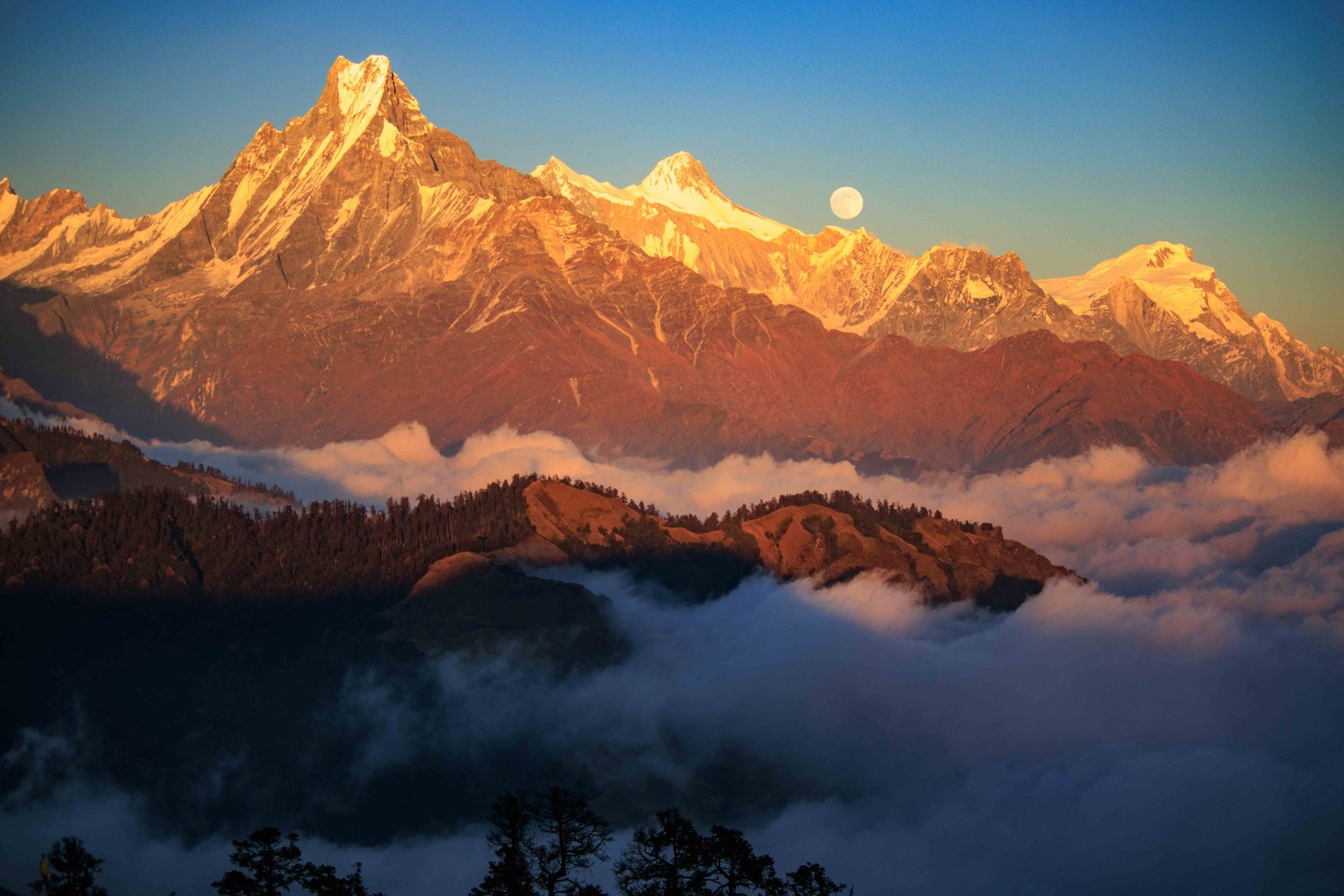
Discover Parbat did not start as a travel agency. It started as a love of one district. Parbat sits between Pokhara and the Annapurna and Dhaulagiri ranges, a district of steep terraced hills, river gorges, Magar and Brahmin villages and forest ridges with huge mountain views. Most travellers drive straight through it on the way to somewhere more famous.
Our founder, Sameer Regmi, grew up with these hills. He is a landscape photographer and trekking guide, and Discover Parbat began as his way of showing people what the district holds.
- 2017 · A page about ParbatDiscover Parbat begins as a Facebook page sharing places in Parbat: viewpoints, caves, bridges, festivals and villages that rarely appeared in guidebooks.
- 2020 · The lockdown walksWith tourism stopped, Sameer spends the quiet months exploring northern Parbat on foot, ridge by ridge and village by village. The line that becomes Kokhe Danda takes shape: forest ridges, farming villages and a viewpoint facing the high Himalaya.
- The homestay yearsThe first goal is not a trek but visitors for the villages. The team promotes family homestays in Haljure, Lespar, Sarga and Phalame Danda, helping families welcome guests for the first time.
- Teahouses on the ridgeWhen teahouses are built at Kokhe Danda itself, the pieces finally connect. The team links the homestays and the ridge into a five-day trekking route.
- 2022 · A trekking companyDiscover Parbat becomes a trekking company, so that trekkers can walk the route with guides from the region and the families can host them through a team they already know.
The full story of the trail, with the villages and people behind it, is also told on kokhedandatrek.com, the route's own story site.

The ideaWhy a new route was needed at all
By 2020, the classic short treks near Pokhara had a problem. Poon Hill and the lower Annapurna trails were wonderful, but busy, and new roads were cutting into stretches that used to be walked. Trekkers looking for a short Himalayan trek were all being sent to the same few places.
Parbat had everything those trails had once offered: mountain views, rhododendron and oak forest, and villages where life still runs to the rhythm of farming and festivals. What it did not have was crowds. The idea behind Kokhe Danda was simple: offer a short, easy trek where the villages are the heart of the experience and the views are the reward, not the other way round.
That idea still guides how we run the trek today. We keep groups small, spread guests across families, and favour homestays over building more lodges. If you are deciding between the two, our comparison of Kokhe Danda and Poon Hill goes into the differences in detail.
Pioneers, not resellersWhat "the team that built the route" actually means
"Pioneers" is an easy word to use in marketing, so here is exactly what it means in our case.
- We walked and chose the line. The order of villages, the ridge sections and the viewpoint at Kokhe Danda were worked out on foot by our team, not copied from a map or another company's brochure.
- We started with homestays. Before there was a trek to sell, we were helping families in Haljure, Lespar, Sarga and Phalame Danda open their homes to visitors, and sending them guests.
- We connected the pieces. When the Kokhe Danda teahouses opened, we joined the homestays and the ridge into the route trekkers walk today.
- We still look after it. We stay in touch with the families and teahouse owners all year, not just in peak season, and we hear first when something on the trail changes.
When you trek with Discover Parbat, you walk with the people who designed and nurtured this route from the beginning, not a company that added it to a catalogue.
Today, many agencies list Kokhe Danda, which we are genuinely glad about: more visitors means more income for the villages. But it does mean the name on a brochure tells you little about how well a company knows the route. That is worth asking about, whoever you choose.
The differenceSeven reasons trekkers choose us for Kokhe Danda
These are the things guests mention most often after their trek, and the things that are hardest for a company without local roots to offer.
Guides from the region
Our guides and porters are from the area the trail crosses. They know the paths, the weather on the ridge, the families and the local dialects, not just the route on a map.
Families who know us
We have worked with the homestay families since the route began. You arrive as a guest of people who already know your guide, which makes the welcome warmer and the stay easier.
Rooms held in busy weeks
Ridge teahouses have few rooms, and during Dashain and Tihar groups of Nepali trekkers can fill them in one go. We book around a month ahead, by phone, with owners who hold rooms for us.
Culture explained, not just seen
In Lespar, our guides translate and explain Magar village life: the farming year, festivals, food and beliefs. Without that, a village is scenery. With it, it becomes a conversation.
Plans that bend
Because we know the area, our guides can adapt on the trail: slow the pace, change where you rest, or extend the trip towards the Khopra Ridge Trek.
Safe for families
We have trekked the route with children as young as five. Jeep access at Haljure, Lespar and Phalame Danda gives an easy exit if a child is tired or unwell.
Money that stays in Parbat
We are a local company. Your trek pays local guides, local families and local teahouses, in the district where the trail runs, rather than a head office somewhere else.
Talk to the founders
When you message us, you deal directly with the people who built the route, from your first question to the last night of the trek.
Your optionsLocal team, big agency or going solo?
There is more than one good way to do Kokhe Danda. Here is an honest comparison of the three common options, so you can choose what suits you.
| What matters | Discover Parbat | Agency elsewhere | On your own |
|---|---|---|---|
| Knowledge of the route | Found and shaped it; guides from the region | Varies; guide may be new to Parbat | Maps and apps; some junctions are unclear |
| Homestay and teahouse bookings | Booked by phone with families we know | Usually booked, sometimes through us or other contacts | You call each place yourself, in Nepali or limited English |
| Festival-season rooms | Booked around a month ahead | Depends on their contacts | Risky on the ridge during Dashain and Tihar |
| Village culture | Translated and explained by locals | Depends on the guide | Limited by language |
| Flexibility | Easy to slow down, extend or add Khopra | Often a fixed package | Fully flexible, if you can arrange it |
| Where your money goes | Stays in Parbat | Partly local, partly elsewhere | Direct to families and teahouses |
If you are an experienced trekker who enjoys arranging things and has a little Nepali, going solo outside the festival weeks can work. If you want the village stays to run smoothly and to understand what you are seeing, a local guide is worth it. And if you are booking with any guide, the checklist further down will help.
On the trailWhat a local guide actually does on Kokhe Danda
Showing the way is the smallest part of the job. Here is what our guides are doing through a typical trekking day, without giving away the route itself.
- Morning: checking the sky and deciding the best time to be on the ridge for views, then reconfirming that night's homestay or teahouse by phone.
- On the trail: setting a comfortable pace, choosing the right path at forest junctions, and pointing out birds, plants and the rhododendron and oak forests the route passes through.
- In the villages: introducing you to families, translating, and explaining temples, shrines, festivals and the stories and beliefs attached to them.
- At mealtimes: helping with food choices and allergies, and making sure the kitchen knows how many guests to cook for.
- If plans change: handling weather, tired legs, illness or a change of plan, including arranging a jeep from a village with road access if needed.
- In the evening: sitting with you and your hosts, often around a campfire in Haljure, and answering the questions the day raised.
Sameer's background as a landscape photographer also shapes how we guide. Our team knows where and when the light falls best on the ridge, which is useful whether you carry a camera or just want to see the mountains at their finest.
The heart of the trekThe homestay families of Haljure and Lespar
The first two days of the trek are about people. You sleep in village homes, eat in family kitchens and see daily life from the inside. This is the part of the route we built first, and the part we are proudest of.
In Haljure, evenings often end around a campfire under the stars, with the family and your guide. In Lespar, a Magar village, you spend time learning how a hill village lives: the fields and animals, the kitchen, the festivals and the way families share work. Guests often join a momo-making session with their hosts, and leave having cooked, laughed and eaten with a Magar family rather than simply passing through.
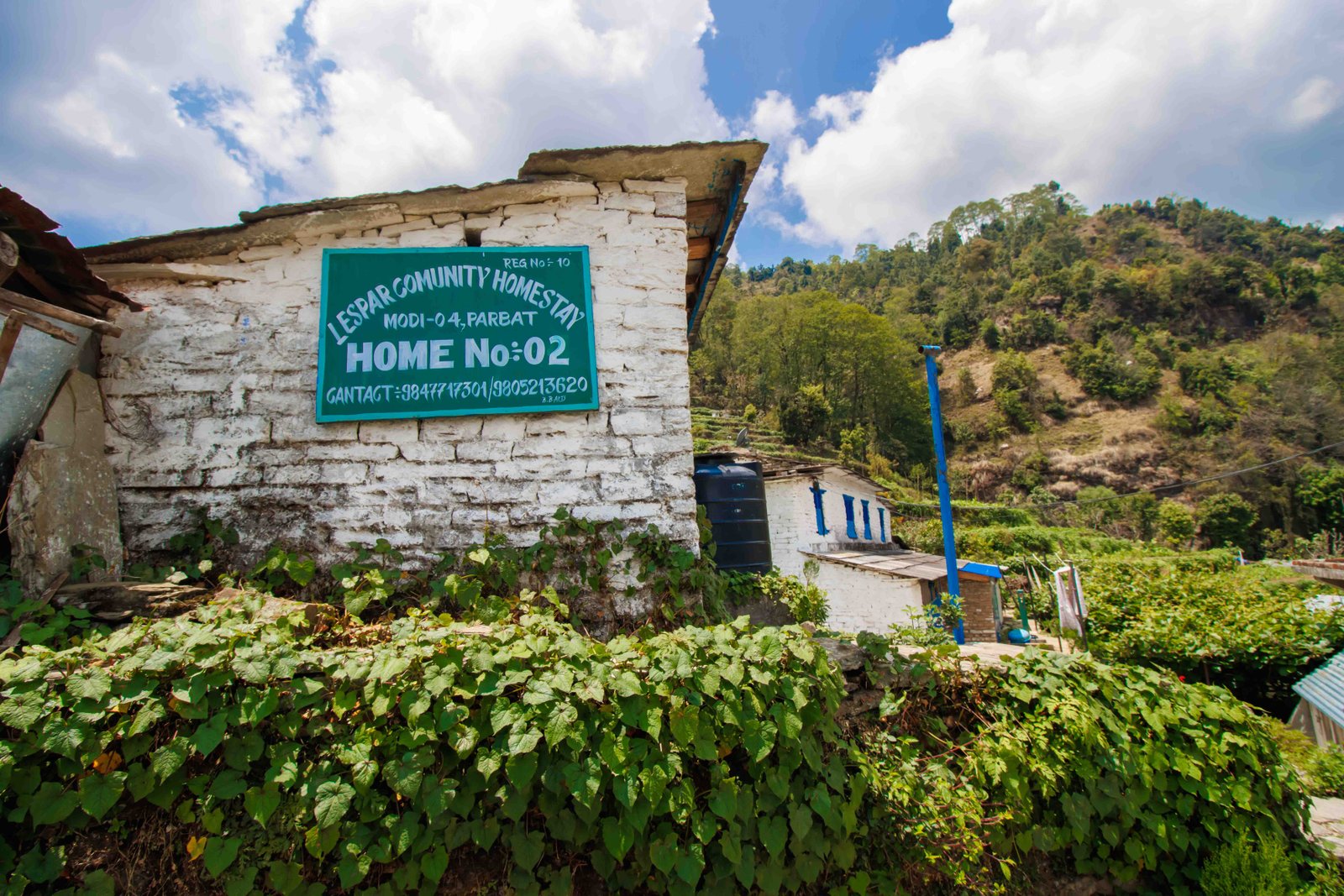
Homestays are not hotels, and that is the point. Rooms are simple, meals are what the family cooks, and you are a guest in someone's home. Each family hosts only a few people, so we spread groups across households and arrange everything ahead, so families can prepare. Our guides also help guests with the small things that make a stay easy for both sides: taking shoes off indoors, eating with the family, and asking before taking photos of people.
Why this matters for your choice of guide: a homestay works best when there is trust between the family, the guide and the guest. That trust is what we have spent years building in Haljure and Lespar.

Honest adviceDo you need a guide for Kokhe Danda?
Kokhe Danda is an easy, non-technical trek, so in practical terms a fit and experienced trekker could find their way. (Permits, difficulty and the route are covered on the main Kokhe Danda Trek page.)
Even so, we recommend a local guide for most trekkers, for three reasons. First, the route is young: some forest junctions are not obvious, and there is no stream of other trekkers to follow. Second, the nights are in homestays and small teahouses that need to be booked by phone, mostly in Nepali. Third, without a guide, much of the village experience, the conversations, stories and explanations, simply passes you by.
Check the rules for your dates: regulations on guides for foreign trekkers in Nepal have changed in recent years and differ between areas. If you plan to add a route inside a conservation area, such as Khopra, ask us about the current rules before you book.
A checklistHow to choose any guide for Kokhe Danda
Whether you book with us or someone else, these questions will tell you a lot about how well a guide or agency knows this route.
- Have they walked Kokhe Danda recently? Ask how many times, and when. A young route changes quickly.
- Where are the guides from? A guide from Parbat or nearby will know the families, the dialect and the trail.
- Which homestays do they use? A good answer names the villages and families, not just "local homestays".
- How do they handle festival season? Ask when they book rooms for October and November.
- What happens if someone gets sick or tired? They should know where the road access points are and how to arrange a jeep.
- Is the company licensed and the guide trained? Ask to see a trekking agency licence and the guide's licence.
- Who answers your messages? Small local teams usually mean faster, clearer answers from people who will actually be on the trail.
Next stepsHow booking with Discover Parbat works
- Message us by email or WhatsApp with your dates, group size and any special needs, such as children, dietary needs or extra days.
- We plan it with you, starting from the itinerary on the Kokhe Danda Trek page and adjusting the pace or length to suit your group.
- We book every night, calling each homestay family and teahouse once your trek is confirmed, around a month ahead in peak season.
- Your guide meets you in Pokhara, where the trek starts, and briefs you on the days ahead.
- You walk, eat and stay with the families, while we take care of the logistics behind the scenes.
Ready to plan your dates?
The day-by-day itinerary, the route, what is included and the price are all on the main trek page.
See the Kokhe Danda Trek →The bottom line
Kokhe Danda can be walked with any good licensed guide, and we are happy that more trekkers are discovering Parbat. What we offer is something a catalogue cannot copy: a route we found on foot, guides who grew up in these hills, and homestay families in Haljure and Lespar who have hosted our guests since the very beginning.
If you want a quiet trek where the people matter as much as the mountains, walk it with the team that built it.
FAQQuestions about guides for Kokhe Danda
Who created the Kokhe Danda trekking route?
The route was found and shaped by Discover Parbat, a local team from Parbat District led by founder Sameer Regmi. The team explored northern Parbat in 2020, promoted homestays in Haljure, Lespar, Sarga and Phalame Danda, and linked them with the new teahouses at Kokhe Danda into a five-day trek.
Do I need a guide for Kokhe Danda?
Kokhe Danda is an easy, non-technical trek, but it is a young route through villages that see few outsiders, with forest junctions and homestays that are arranged by phone. A local guide makes the route easier to follow, books homestays and teahouses for you, and translates and explains village life along the way. Guide rules in Nepal have changed in recent years, so check the current rules for your dates.
Why trek Kokhe Danda with Discover Parbat rather than another agency?
Any good licensed guide can lead you safely on Kokhe Danda. Discover Parbat adds the context: it is the team that found and shaped the route, its guides come from the region, and it has worked with the homestay families in Haljure and Lespar since the trail began, which also helps when ridge teahouses fill up during festival holidays.
Can I hire a local guide for Kokhe Danda in Pokhara?
Yes. The trek starts from Pokhara. You can arrange a guide through Discover Parbat by email or WhatsApp before you arrive, and your guide meets you in Pokhara.
Can a Discover Parbat guide take families with children on Kokhe Danda?
Yes. Our guides have walked Kokhe Danda with children as young as five. They set a gentler pace, plan rest stops and know the jeep access points at Haljure, Lespar and Phalame Danda in case a child gets tired or unwell.
What should I ask a guide before booking Kokhe Danda?
Ask how recently and how often they have walked Kokhe Danda, where their guides are from, which village homestays they use, when they book rooms for festival season, how they handle illness or tiredness on the trail, and whether the agency and guide are licensed.
How far ahead should I book a Kokhe Danda guide?
For October, November and spring, contact us around a month ahead. We book homestays and teahouses as soon as your trek is confirmed, because small ridge teahouses can fill during the Dashain and Tihar holidays. Outside peak season, a week or two is usually enough.
What does a local guide do on Kokhe Danda?
Beyond showing the way, a Discover Parbat guide sets the pace, watches the weather on the ridge, books and confirms each night's homestay or teahouse, translates with host families, and explains the history, religious sites, farming life and Magar culture you pass through.