This year Narak Chaturdashi, Kukur Tihar and Laxmi Puja all fall on the same day. Dogs are worshipped in the morning, and Laxmi Puja, the great night of lights, follows in the evening. Bhai Tika, the last day of Tihar, is on Wednesday 11 November.
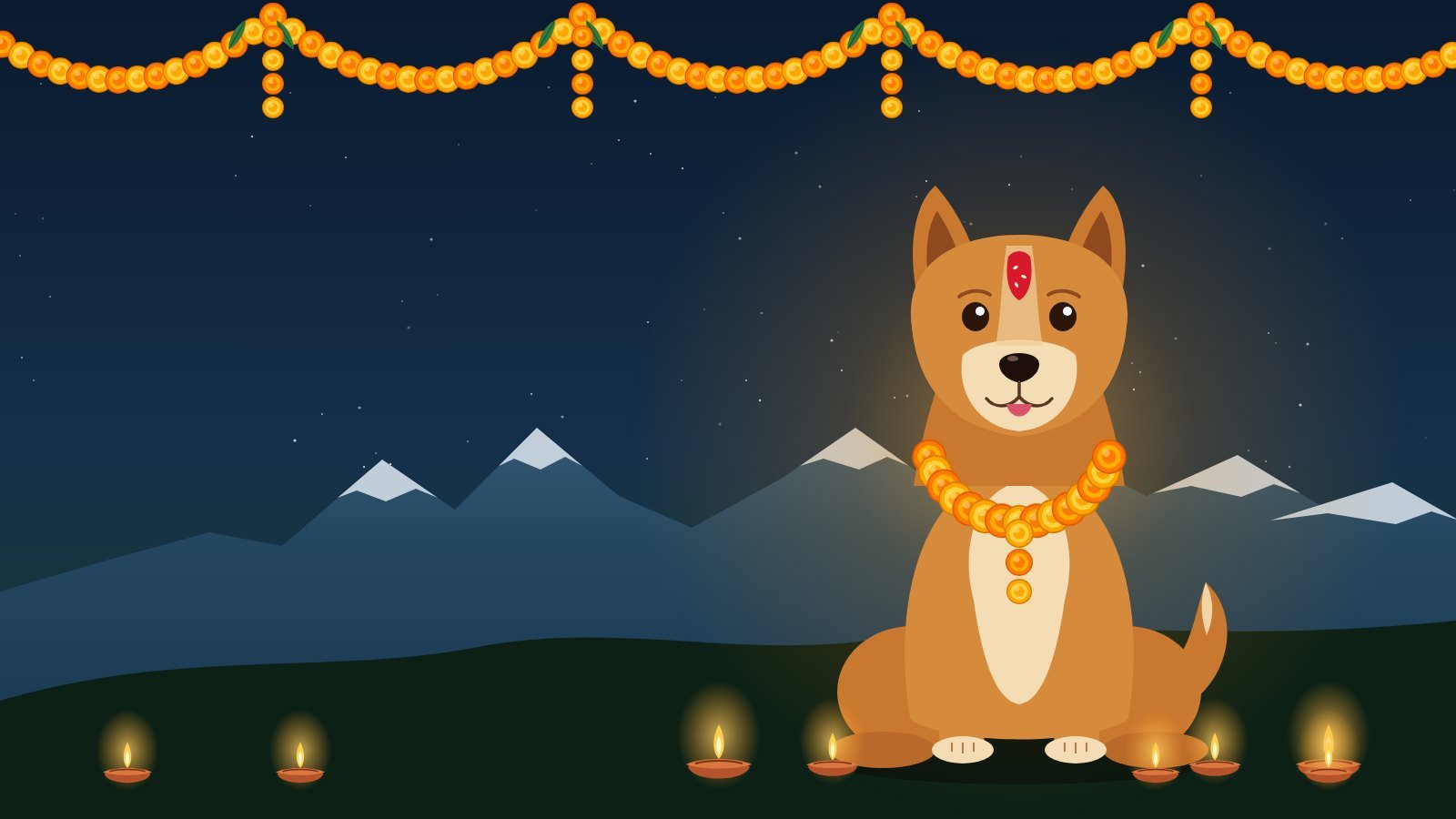
On the second morning of Tihar, Nepal stops to thank its dogs. Family pets, village guard dogs, street dogs sleeping outside temples and the service dogs of the Nepal Police all get the same treatment: a red tika on the forehead, a garland of marigolds around the neck and a plate of food far better than usual.
The day is called Kukur Tihar (कुकुर तिहार). Kukur is the Nepali word for dog, and Tihar is the five-day festival of lights that Nepal celebrates in the month of Kartik, around the same time India celebrates Diwali. Put together, the name simply means "the Tihar of dogs". You will also hear it called Kukur Puja (dog worship), and in the Newar community of the Kathmandu Valley it is Khicha Puja, from the Nepal Bhasa word for dog.
To many visitors it looks charming, a little funny and very photogenic, and it is all of those things. But Kukur Tihar is also a serious religious observance with roots in some of the oldest texts of Hinduism. It is about death, loyalty and gratitude, and about seeing the sacred in an animal most people take for granted.
The dateWhen is Kukur Tihar in 2026?
Kukur Tihar falls on Sunday 8 November 2026, which is Kartik 22, 2083 in Nepal's Bikram Sambat calendar. Like all Hindu festivals it follows the moon rather than the solar calendar, which is why it moves between late October and mid-November from year to year. Its lunar day is Kartik Krishna Chaturdashi, the fourteenth day of the waning moon in Kartik, the night before the new moon.
Nepal's official festival dates are set each year by the Nepal Panchanga Nirnayak Bikas Samiti, the government's calendar committee. For 2083 it announced that Narak Snan, Kukur Tihar and Laxmi Puja all fall on Kartik 22. That happens when the fourteenth lunar day (Chaturdashi) is running at sunrise and the new moon (Aunsi) has begun by evening. So the morning belongs to the dogs, and the evening belongs to Laxmi, the goddess of wealth. In most years they fall on separate days.
Tihar 2083 day by day
- Sat 7 NovKartik 21Day 1
Kaag Tihar, the day of the crow, Yama's messenger. Also Dhanwantari Jayanti. Rice and food are set out for crows on rooftops. - Sun 8 NovKartik 22Day 2 · Dogs + Laxmi
Narak Snan (a ritual bath at dawn), Kukur Tihar in the morning, and Laxmi Puja with lamps and lights in the evening. - Mon 9 NovKartik 23Day 3
Gai Tihar, when cows, sacred as a form of Laxmi, are worshipped. - Tue 10 NovKartik 24Day 4
Govardhan Puja and Goru Tihar (oxen), and Mha Puja, the Newar worship of the self, which also marks the Nepal Sambat New Year. - Wed 11 NovKartik 25Day 5
Bhai Tika, when sisters give tika to their brothers. The official auspicious time this year is 11:07 am.
Indian calendars sometimes list Tihar's days a little differently, because Diwali and Tihar are calculated for different places and traditions. If you are in Nepal, the Nepali patro and the calendar committee's dates above are the ones that matter.
HistoryWhere Kukur Tihar comes from
No one can point to a year when Nepalis first garlanded a dog for Tihar. The festival grew out of much older ideas, and to understand Kukur Tihar you have to start with what Tihar itself is about.
Tihar is the festival of Yama
Outside Nepal, Tihar is usually described as a festival of lights. Inside Nepal it has another name: Yamapanchak, the five days of Yama. Yama (also called Yamaraj) is the god of death, the first mortal who died and found the way to the world beyond, and the judge of souls. Tihar honours him and his helpers, and asks for long life for the people we love. The festival closes with Bhai Tika, which recalls the story of Yama visiting his sister Yamuna, who blessed him so that he could not take her brother.
Each animal honoured during Tihar has a place in Yama's world. The crow on the first day is his messenger, carrying news, and the dog on the second day guards the road to his kingdom. Honouring them is a way of keeping on good terms with death itself.
The dogs of Yama in the Rig Veda
The link between dogs and death is very old. In the Rig Veda, the oldest of the Hindu scriptures, a funeral hymn (Book 10, Hymn 14) speaks to a soul setting out on its last journey and tells it to run safely past Yama's two dogs. They are described as four-eyed and broad-nosed, watchers of the path who guard the way and look after the dead. Later tradition names them Shyama, the dark one, and Sabala (sometimes written Sharvara), the spotted one, and calls them the Sarameyas, sons of Sarama, the divine dog of the god Indra.
That gives the dog two jobs at once. It is a guardian who keeps the unworthy out, and a guide who knows the road. In Nepal's popular belief, honouring dogs on Kukur Tihar wins the favour of these guardians, so that when your own time comes they will treat you kindly and lead you well.
Older than religion: the dog at the door
There is a simpler history underneath the scripture. In the hills of Nepal, dogs have guarded homes, fields and livestock for as long as people have farmed here. They bark at leopards and jackals, warn of strangers at night and walk with herders to high pastures. A festival that thanks them once a year fits naturally into a farming calendar that also thanks the crow, the cow and the ox. Kukur Tihar is partly a religious rite and partly the gratitude of people who have lived beside dogs for thousands of years.
The storiesFour stories behind the festival of dogs
Ask a Nepali family why they worship dogs and you may hear any one of these stories. Most people know at least two.
Yudhishthira and the dog who would not be left behind
At the end of the Mahabharata, the five Pandava brothers and their wife Draupadi give up their kingdom and walk north into the Himalaya, hoping to reach heaven alive. A dog joins them as they leave and follows them all the way. One by one the others fall on the mountain, until only the eldest brother, Yudhishthira, and the dog are left.
Near the summit, the god Indra arrives in his chariot and offers to carry Yudhishthira straight to heaven, but says the dog cannot come. Yudhishthira refuses. The dog has been loyal to him through everything, he says, and he will not abandon a companion who depends on him, even for heaven. At that moment the dog reveals its true form: it is Dharma, the god of righteousness and Yudhishthira's own divine father, who had been testing him. Having passed the test, Yudhishthira enters heaven in his human body.
For many Nepalis, this story is the heart of Kukur Tihar. It teaches that loyalty to a dog is not a small thing, and that the humble companion at your side may be closer to the divine than you think.
Shyama and Sabala, the guardians of the road
As the Rig Veda hymn describes, Yama's two dogs watch the road between the living and the dead. In some tellings they also wander among people as Yama's messengers, which is one reason a dog howling at night was traditionally taken as a sign that death was near. Kukur Tihar turns that fear into respect: instead of chasing Yama's dogs away, people feed them, bless them and ask for their protection.
Bhairav and his dog
Bhairav, a fierce form of Shiva and one of the most important protective deities in the Kathmandu Valley, rides a dog as his vahana (vehicle). Dogs are often seen around Bhairav shrines, and feeding them is considered a way to please him. Because Bhairav guards cities, temples and travellers, his dog shares some of that protective role.
Dattatreya and the four dogs
Dattatreya, a sage-god who unites Brahma, Vishnu and Shiva, is usually shown with four dogs at his feet. They are often explained as the four Vedas, the sacred knowledge that follows the wise like faithful companions. It is another image of the dog as something holy rather than lowly.
Spiritual meaningWhat Kukur Tihar really means
Beneath the garlands, Kukur Tihar carries several layers of meaning. Different families will stress different ones, but together they explain why such a simple ritual matters so much.
Tihar is Yama's festival, and the dog is his guardian. Honouring the dog is a way of facing death without fear: of saying that the road ahead has a guide, and that the guide is a friend.
The Yudhishthira story makes loyalty a spiritual virtue. On Kukur Tihar, people honour the faithfulness of dogs and are reminded of their own duty not to abandon those who depend on them.
The Bhagavad Gita says the wise look with an equal eye on a learned priest, a cow, an elephant, a dog and an outcast. Worshipping a street dog puts that teaching into practice for a day.
Dogs guard homes, herds and, through the police, whole cities. Kukur Tihar is a festival of thanks to a protector who asks for very little in return.
Yudhishthira would not trade a loyal companion for a place in heaven. Kukur Tihar asks everyone else to remember that, at least for one morning. The idea at the heart of the festival
Narak Chaturdashi: the same day, a different story
The lunar day of Kukur Tihar is also Narak Chaturdashi, known in India as Choti Diwali. In much of India it remembers Krishna's victory over the demon Narakasura. In Nepal its focus is purification and protection from narak, the hell ruled by Yama. People rise before dawn for Narak Snan, a ritual bath in a river, pond or at home, to wash away wrongdoing. In the evening, a lamp called the Yamadeep is lit and placed facing south, the direction of Yama, as an offering for long life. The dog, Yama's guardian, sits naturally at the centre of this day.
The ritualsHow Kukur Tihar is celebrated
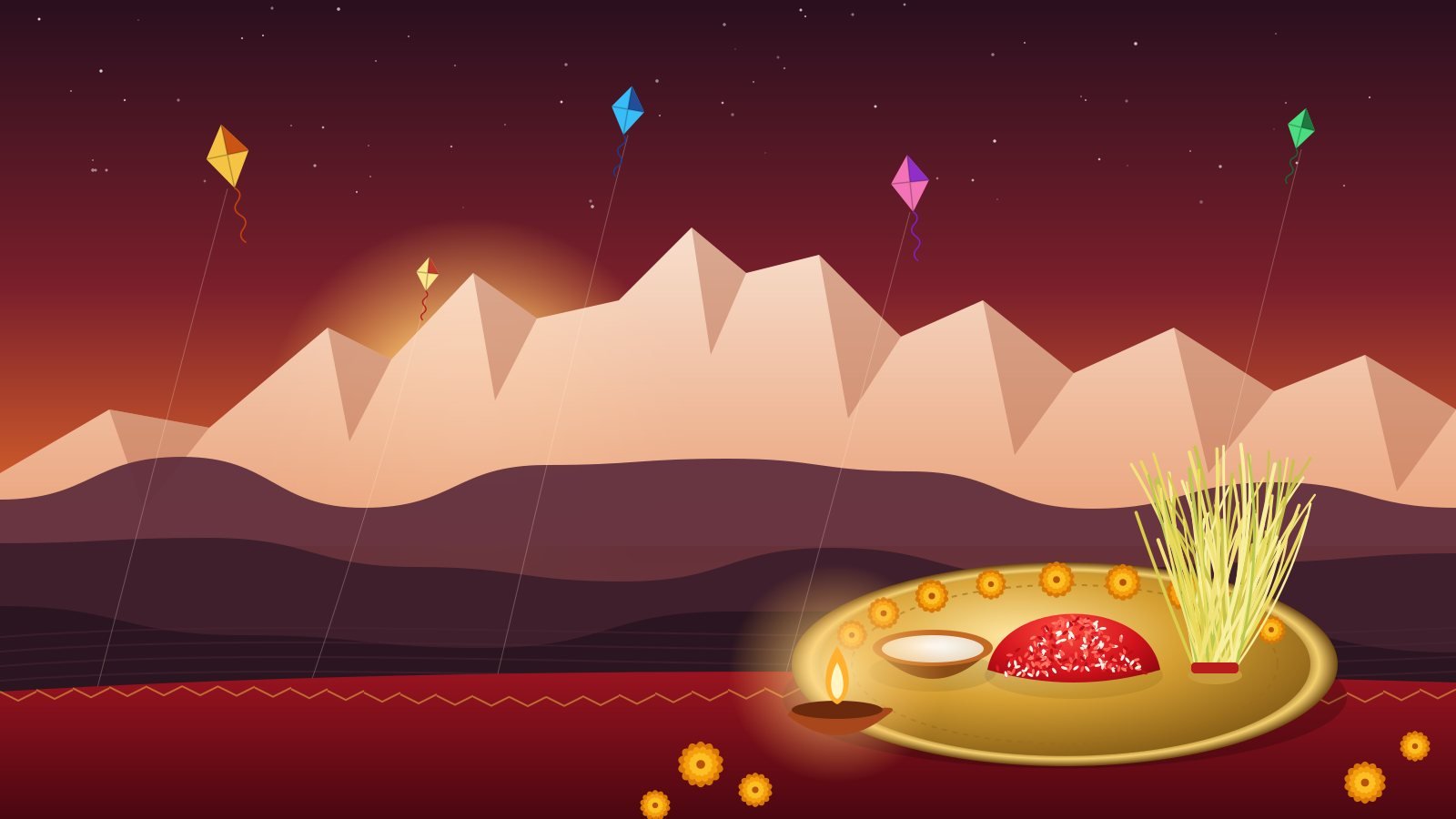
The worship is done in the morning, usually by the women of the house, though anyone can take part. In 2026, with Laxmi Puja on the same evening, many households will honour their dogs early and then turn to cleaning the house, drawing rangoli and lighting lamps for the goddess.
- A wash or a brush. Pet dogs are often bathed or groomed the day before or early in the morning, so they are clean for the puja.
- Tika on the forehead. A red tika, made from vermilion or red powder (abir) mixed with rice and a little yoghurt or water, is pressed onto the dog's forehead, the same blessing people give each other.
- A marigold mala. A garland of marigolds (सयपत्री, sayapatri), the flower of Tihar, is placed around the dog's neck. Some families add globe amaranth (makhamali), which is also used for Bhai Tika.
- Incense and a lamp. Incense is waved and a small diyo is lit in front of the dog, as in any puja, and a short prayer is said.
- A feast. The dog then gets the best meal of its year: meat, eggs, milk, rice, sel roti (Nepal's ring-shaped rice bread) or dog biscuits. Many people walk out with extra food for street dogs.
In towns and cities, people carry tika, flowers and food through the streets to bless and feed the dogs of their neighbourhood. By midday, dogs all over Nepal are wandering around with red foreheads and orange garlands, often looking rather pleased with themselves.
Honouring the service dogs
Nepal's security forces take part too. Every year the Nepal Police holds a ceremony at its canine division in Maharajgunj, Kathmandu, where service dogs are garlanded, given tika and treats, show off their training and sometimes receive awards for their work in detection, search and crime investigation. The Armed Police Force and the Nepal Army honour their dogs in the same way. Photos from these ceremonies travel around the world each year.
In the hillsKukur Tihar in the villages of Parbat
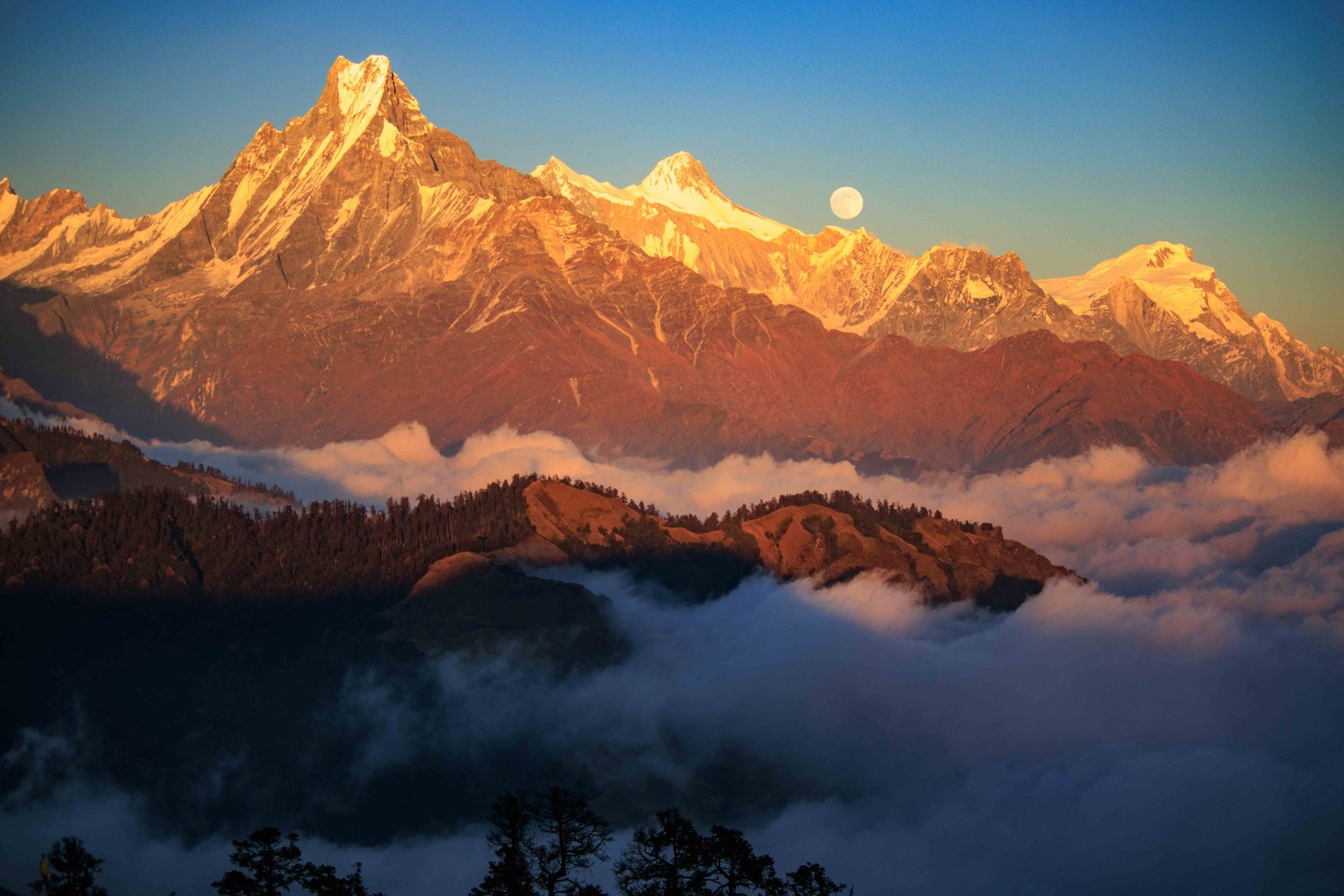
In the hill villages of Parbat, where our team is from, Kukur Tihar is quieter than in Kathmandu but no less heartfelt. Here dogs are working animals as much as pets. They sleep by the door, guard goats and buffalo from leopards and jackals, and follow the family to the fields and the forest. On Kukur Tihar morning, the household dog gets its tika and garland in the courtyard, often alongside the neighbours' dogs, and a share of whatever the family is eating.
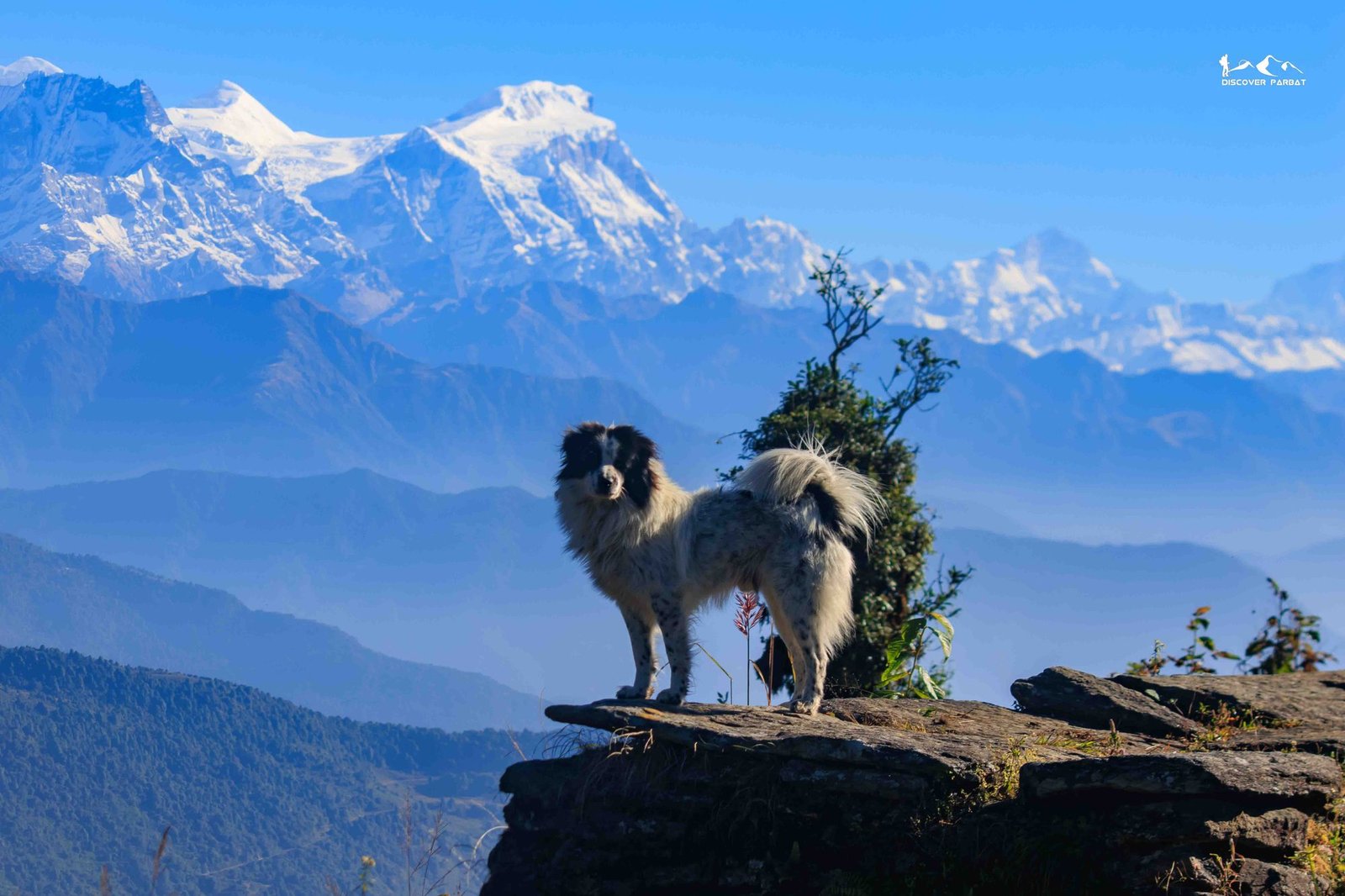
Max is one of them. He lives at Haljure, the first homestay village on the Kokhe Danda Trek, and like most hill dogs he takes his job seriously: watching the trail, announcing every visitor and keeping an eye on the village from the rocks above it. On Kukur Tihar he gets his tika and marigolds like every other dog in Nepal.
Trekkers in Nepal often meet village dogs who decide to adopt a group for a day, trotting ahead on the trail and waiting at every turn. Many come home with a favourite memory of one. If you are walking through hill villages during Tihar, such as on the Kokhe Danda Trek with its family homestays in Haljure and Lespar, you may find yourself invited to join the household's puja, and maybe to garland the dog yourself.
Spend a festival with a family in the hills
Tihar in a Parbat homestay means oil lamps on every step, deusi and bhailo songs at night and a real family puja, far from the city crowds. Ask us about trek dates around Tihar and Dashain.
Talk to our team →Around the worldKukur Tihar beyond Nepal
Kukur Tihar has become one of Nepal's best-known traditions abroad. Pictures of garlanded dogs with bright red foreheads go viral every autumn, and international media often call it "Diwali for dogs" or "the day of the dog".
Nepali communities around the world now celebrate it too, from Darjeeling and Sikkim to the UK, the US and Australia, often with community events where people bring their dogs to be blessed. The idea has even spread beyond the Nepali community: in Mexico, an annual celebration inspired by Kukur Tihar began in 2016 to promote respect for animals.
The other 364 daysA festival with a harder side
It would not be honest to describe Kukur Tihar without its contradiction. The same dogs that are worshipped on one morning can be ignored, chased or treated cruelly for the rest of the year. Kathmandu alone has tens of thousands of street dogs, many of them hungry, unvaccinated or sick. Nepali media have also reported that buying fashionable foreign breeds has left some local dogs abandoned on the streets.
Many Nepalis, and many of Nepal's animal welfare groups, see Kukur Tihar as a chance to change that. Shelters and rescue organisations hold their own pujas for rescued dogs and use the day to campaign for feeding, vaccination, sterilisation and adoption. The real spirit of the festival, they say, is Yudhishthira's: not to abandon a dog that depends on you, on any day of the year.
If you want to help: feed a local dog, support a registered animal shelter or vaccination programme in Nepal, and if you are thinking about a dog of your own, consider adopting a local Nepali dog. They are tough, clever and well suited to the climate.
For visitorsHow to join Kukur Tihar respectfully
Visitors are welcome to watch and, very often, to join in. A few simple habits will make it a good experience for you, your hosts and the dogs.
- Ask first. Always ask the owner before touching, garlanding or feeding someone's dog. Most families will be delighted that you are interested.
- Be careful with street dogs. Rabies is present in Nepal. Admire and photograph unfamiliar dogs from a distance, and don't try to handle them. If you are bitten or scratched, wash the wound well with soap and water and see a doctor the same day.
- Feed sensibly. Plain rice, eggs, meat or dog biscuits are better than sweets. Chocolate is poisonous to dogs.
- Photograph kindly. Dogs with tika and garlands are irresistible, but give them space, and ask before photographing people during their puja.
- Plan your travel. 8 November is also Laxmi Puja, one of the biggest nights of the year. Many shops and offices close, and buses get busy around Tihar, so book transport early.
- Stay for the evening. After the dogs comes Laxmi Puja: oil lamps on every doorstep, rangoli in courtyards and, in the following nights, groups singing deusi and bhailo from house to house.
If you enjoyed learning about Kukur Tihar, read our guide to Nepal's other great autumn festival, Vijaya Dashami and the meaning of Dashain.
FAQFrequently asked questions
When is Kukur Tihar in 2026?
Kukur Tihar falls on Sunday 8 November 2026, which is Kartik 22, 2083 in the Nepali calendar. This year Nepal's official calendar committee placed Narak Chaturdashi, Kukur Tihar and Laxmi Puja on the same day: dogs are worshipped in the morning and Laxmi Puja is performed in the evening.
Why do Nepalis worship dogs on Kukur Tihar?
Tihar is also called Yamapanchak, five days that honour Yama, the god of death. In Hindu tradition dogs are Yama's messengers and the guardians of the path to his realm, so honouring them is a way of honouring Yama. Dogs are also thanked as loyal companions and guardians of the home, and are linked to Bhairav, a fierce form of Shiva whose vehicle is a dog, and to the dog that followed Yudhishthira to heaven in the Mahabharata.
What is Kukur Tihar called in other languages?
Kukur means dog in Nepali, so Kukur Tihar means the Tihar of dogs. It is also called Kukur Puja (dog worship). In the Newar community of the Kathmandu Valley it is known as Khicha Puja, from the Nepal Bhasa word for dog. The same lunar day is Narak Chaturdashi, known in India as Choti Diwali.
How is Kukur Tihar celebrated?
In the morning, families place a red tika mixed with rice on their dog's forehead, put a marigold garland around its neck and offer it a special meal such as meat, eggs, milk or sel roti. Many people also feed and garland street dogs. Nepal Police and the Armed Police Force hold ceremonies for their service dogs.
Are street dogs included in Kukur Tihar?
Yes. Pet dogs, village dogs and street dogs are all honoured on Kukur Tihar. Animal welfare groups use the day to remind people that dogs need food, vaccination and kindness all year, not only during the festival.
Can tourists take part in Kukur Tihar?
Yes. Visitors are welcome to watch and often to join in, especially with host families and homestays. Ask the owner before touching or feeding a dog, offer simple food rather than sweets, and avoid handling unfamiliar street dogs, because rabies is present in Nepal.
Is Kukur Tihar the same as Diwali?
Kukur Tihar is one day of Tihar, Nepal's five-day version of Diwali. Its lunar date matches Narak Chaturdashi (Choti Diwali) in India, but honouring dogs on this day is a Nepali tradition. Tihar also has days for crows, cows and oxen, and ends with Bhai Tika.
Sources: Tihar 2083 dates and Bhai Tika time from the Nepal Panchanga Nirnayak Bikas Samiti, as reported by Spotlight Nepal and Collegenp; Rig Veda 10.14 (funeral hymn to Yama); the Mahaprasthanika Parva of the Mahabharata, Book 17, in the K. M. Ganguli translation; Kukur Tihar overview; reporting on Nepal Police canine ceremonies by The Kathmandu Post and Onlinekhabar; Discover Parbat's own experience of Tihar in Parbat.