Manaslu is still not safe to trek. Your Himalayan trip doesn't have to wait.
The Manaslu Circuit and Tsum Valley remain cut off from the south after a devastating flash flood destroyed or seriously damaged several bridges, and some agencies are now giving trekkers a misleading picture of the conditions.
As of our latest update on 21 October 2026, the Manaslu Circuit is not safely accessible for ordinary trekking. Local people have built makeshift passages around destroyed sections, but these are not a trekking trail, and we would be very surprised if conditions improved enough within the next week. If you were planning a Himalayan trek in Nepal this autumn, you may need to rethink your route.
The good news: there is no need to give up on Nepal's mountains. From the legendary Thorong La Pass on the Annapurna Circuit to the panoramic ridges of the Multiple Viewpoints Trek and the remote wilderness of Api Himal, there are excellent alternatives for different interests, experience levels and schedules. Below, we explain the current Manaslu situation and introduce three treks worth considering.
Latest update · 21 October 2026Manaslu Circuit and Tsum Valley: the situation now
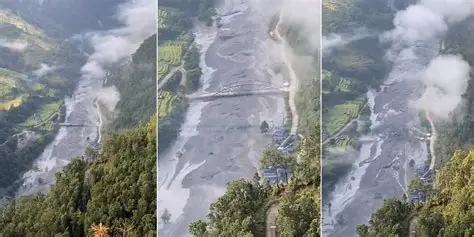
The Manaslu Circuit Trek and Tsum Valley remain severely affected by the flash flood and the landslides that followed. Several critical river crossings have been destroyed or badly damaged, and there is still no safe, established route through the affected sections from the south.
- Not safely accessible for ordinary trekking from the south, despite claims that it is "practically open"
- Local people have built makeshift passages around destroyed sections, but these are steep, unstable and not a trekking trail
- Suspension bridge near Philim (about 90 m) and several other bridges destroyed or damaged
- No significant improvement expected within the next week
- Trekkers already inside can only exit north over Larkya La, or by helicopter from Tsum Valley
Manaslu Circuit: please don't be misled New
Some trekking agencies are currently telling clients that the Manaslu Circuit is practically open again. This is misleading and potentially dangerous.
It is true that local people have managed to build makeshift routes around sections of the trail destroyed by flooding and landslides. Their effort is remarkable. But describing these improvised structures as a trekking trail seriously misrepresents the situation on the ground.
"The Manaslu Circuit is practically open again."
Only improvised passages exist around destroyed sections. Some are extremely steep, unstable and difficult to negotiate. The route is not safe for ordinary trekking.
Some of these sections are so steep and unstable that even experienced local Nepalis struggle to get through them. They are not suitable for the average trekker, and certainly not with a full pack, after days of walking, or in poor weather.
Unfortunately, some agencies appear more interested in selling treks than in giving potential clients an accurate picture of conditions. Please do not confuse the existence of a makeshift passage with a safe, established trekking route.
Your safety is more important than any trekking agency's business.
Questions to ask if an agency says Manaslu is open
If you are being offered a Manaslu departure right now, ask these before you pay anything:
- How exactly are the destroyed sections and the Philim bridge crossed at the moment?
- Has the route been officially confirmed safe by local authorities, or is it only a local makeshift passage?
- What happens if a section is too dangerous or collapses again while you are on the trail?
- Is helicopter evacuation arranged, and does your insurance actually cover this situation?
- Can you postpone or switch to another trek without losing your deposit?
If the answers are vague, treat that as your answer.
What has happened to the Manaslu trekking route?
The flash flood has caused significant damage to trails and infrastructure across the region. Among the most serious losses is the approximately 90-metre suspension bridge near Philim, an essential crossing for anyone travelling through the area. Its damage, along with that of several other bridges and landslide-hit trail sections, makes restoring access far more complicated than routine trail repair.
Repair work continues wherever conditions allow, and local communities have improvised passages to keep people and supplies moving. However, the scale of the destruction means a safe trekking route is unlikely to be restored quickly.
Can trekkers still continue the Manaslu Circuit?
Trekkers who were already north of Nyak Phedi when the disaster struck can continue north without major disruption. Their only safe exit, though, is over Larkya La Pass into the Annapurna region, as the southern route is still not safe for trekking.
For trekkers in Tsum Valley, the alternative exit is a challenging two-day detour across difficult terrain, after which they still need to cross Larkya La to leave the region. The only other option for those affected in Tsum Valley is helicopter evacuation.
These circumstances are a reminder of why it matters to follow local safety advice and check trail conditions before setting out on any remote Himalayan trek.
Is it safe to plan the Manaslu Circuit Trek now?
No. For now, do not attempt to enter the Manaslu Circuit or Tsum Valley from the south. As of 21 October 2026 the route is not safely accessible for ordinary trekking, and we would be very surprised if conditions improved sufficiently within the next week.
If you have an upcoming Manaslu booking, contact your trekking agency, confirm the latest conditions with local authorities, and discuss postponement or an alternative itinerary. Don't assume a trail is safe just because someone says it is "open", because it appears on a trekking map, or because it was open in previous seasons.
Conditions will change as reconstruction progresses, so get a fresh, locally verified update before making any plans.
Update log
- Makeshift passages built by locals around destroyed sections. Claims that the route is "practically open" are misleading; the circuit is not safely accessible for ordinary trekking.
- Flash flood destroys or damages several bridges, including the suspension bridge near Philim. No access from the south on foot or by jeep.
Alternative 1Annapurna Circuit Trek: the classic Himalayan crossing
Best for: trekkers seeking a high mountain pass, dramatic landscapes, traditional Himalayan villages and a challenging multi-day adventure.
If you chose Manaslu for its high-altitude scenery, remote villages and the feeling of crossing a major Himalayan route, the Annapurna Circuit Trek is one of the strongest alternatives.
This classic journey combines changing landscapes, distinctive mountain cultures and spectacular views of the Annapurna and Dhaulagiri ranges. Discover Parbat's 12-day itinerary starts with a scenic drive from Kathmandu to Chame, then follows the Marsyangdi River valley up towards the highlands of Manang.
What makes the Annapurna Circuit special?
The trail passes through pine forest, dramatic rock formations and traditional settlements before reaching the drier, high-altitude landscapes of Upper Pisang, Ngawal and Manang. As you climb, the scenery changes dramatically, while monasteries, stone houses and Tibetan-influenced traditions add real cultural depth.
Manang is an important acclimatisation stop before the trail continues to Yak Kharka and Thorong High Camp.
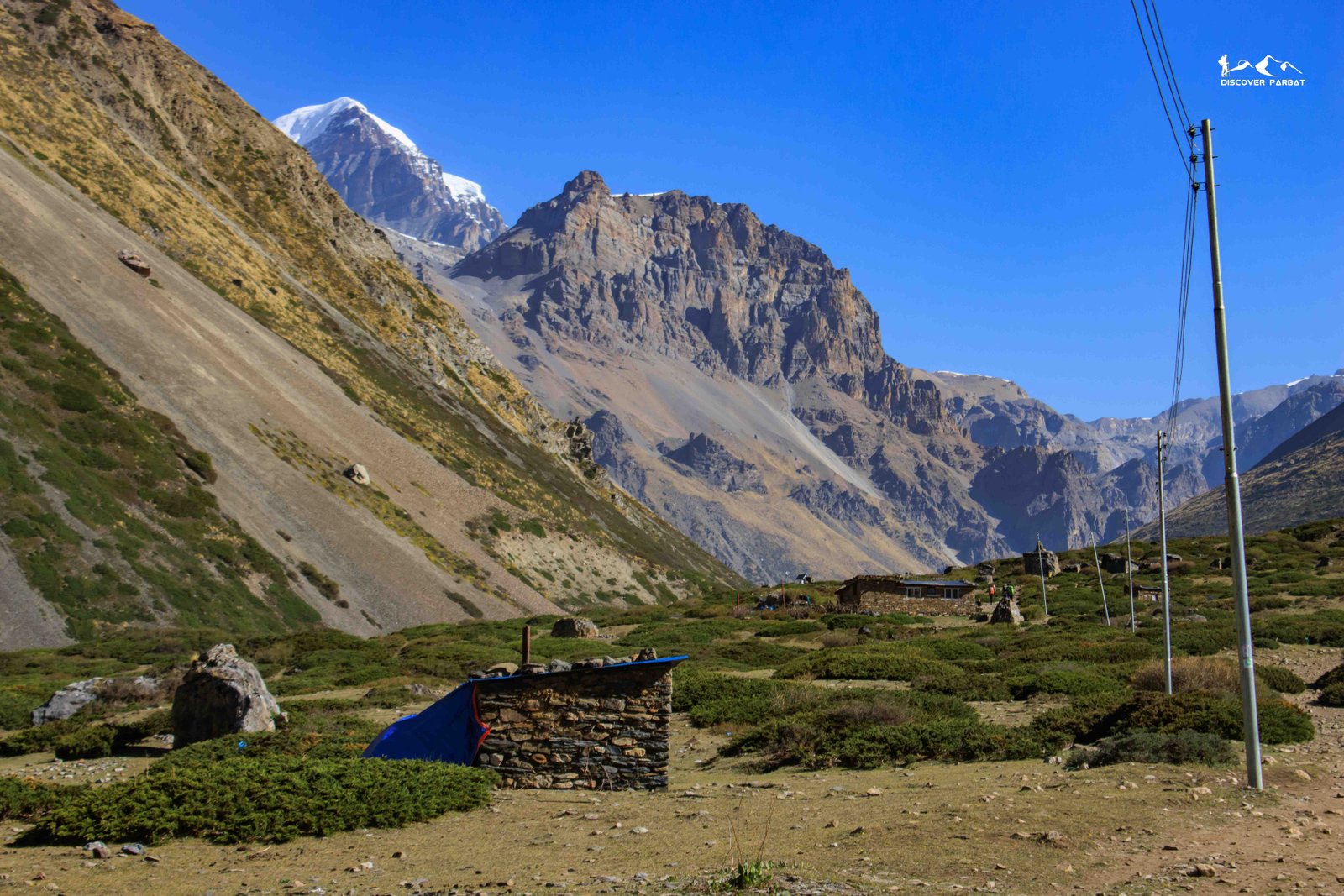
The big highlight is the crossing of Thorong La Pass at 5,416 metres, one of the world's best-known high-altitude trekking passes. The demanding climb rewards you with expansive mountain views before the trail descends to Muktinath, a sacred pilgrimage site for both Hindus and Buddhists.
From Muktinath, the route continues through the dramatic Kali Gandaki Valley, with the chance to explore Kagbeni, Jomsom, Marpha and Kalopani. Apple orchards, traditional architecture and views of Dhaulagiri and Nilgiri make for a memorable finish.
Why choose the Annapurna Circuit instead of Manaslu?
The Annapurna Circuit offers a comparable sense of Himalayan scale, a challenging high pass and rich cultural experiences. Road access makes a shorter itinerary possible, although road development has changed some sections of the traditional route. It suits travellers who want a substantial high-altitude trek but don't have time for a longer expedition.
Not a risk-free swap. The Annapurna Circuit isn't automatically safe just because Manaslu is affected. Confirm the latest road, bridge, trail and weather conditions before departure, especially given the recent extreme weather in Nepal.
- Cross Thorong La Pass at 5,416 metres
- Explore Manang's Tibetan-influenced culture and monasteries
- Watch green river valleys give way to high-altitude landscapes
- Visit the sacred Muktinath Temple
- Walk the Kali Gandaki Valley through Kagbeni and Marpha
- Enjoy views of Annapurna, Dhaulagiri and Nilgiri
Our takeFor a classic Himalayan crossing with a major pass at its heart, the Annapurna Circuit is the closest like-for-like replacement for Manaslu.
Alternative 2Multiple Viewpoints Trek: six Himalayan viewpoints in one journey
Best for: trekkers who want panoramic mountain views, varied landscapes, quieter trails and authentic village life, without sticking to one busy trekking corridor.
What if your next Himalayan trek connected six of the region's most rewarding mountain panoramas instead of just one?
The 14-day Multiple Viewpoints Trek by Discover Parbat links Mardi Himal Viewpoint, Muldai Viewpoint, Khopra Ridge, Khayer Lake, Poon Hill and Kokhe Danda. Together they show the Annapurna and Dhaulagiri ranges from constantly changing angles, from dramatic ridgelines and alpine pastures to peaceful hilltops far from the busiest trails. Starting and finishing in Pokhara, it combines well-known highlights with lesser-visited routes and local culture.
From Mardi Himal to the quieter ridges of Khopra
The journey begins with a drive from Pokhara to Kande, then climbs through rhododendron and oak forest towards Mardi Himal. The trail reaches high ridges with close-up views of Machhapuchhre and Annapurna South.
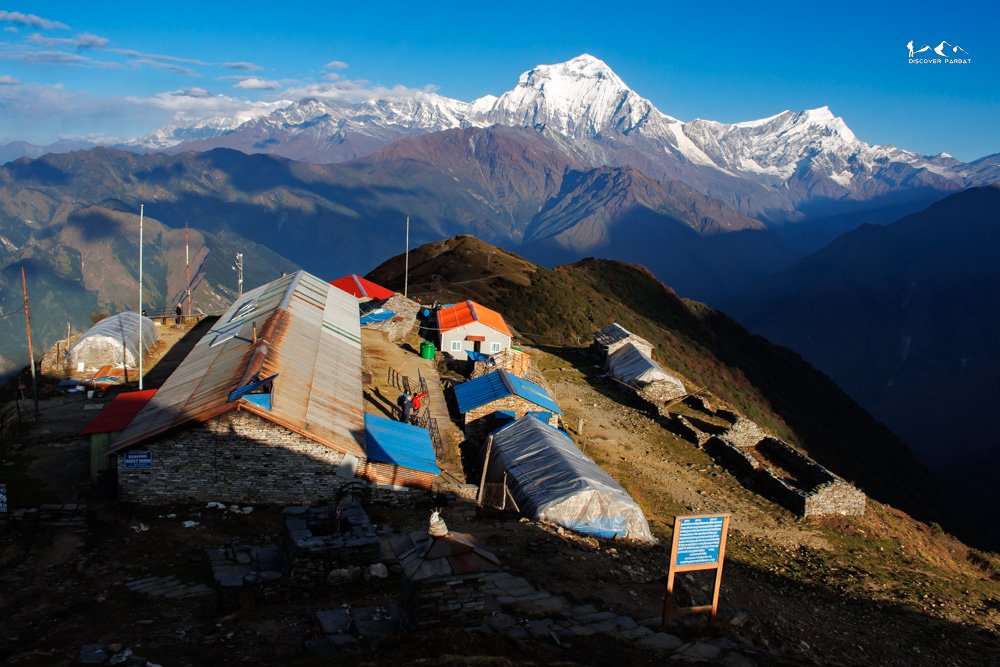
From there, the route drops to the Modi Khola and climbs to Ghandruk, a traditional Gurung village known for its stone houses, narrow lanes and mountain backdrop. Continuing through Tadapani to Dobato, you reach Muldai Viewpoint, with wide-ranging views across the Annapurna and Dhaulagiri ranges.
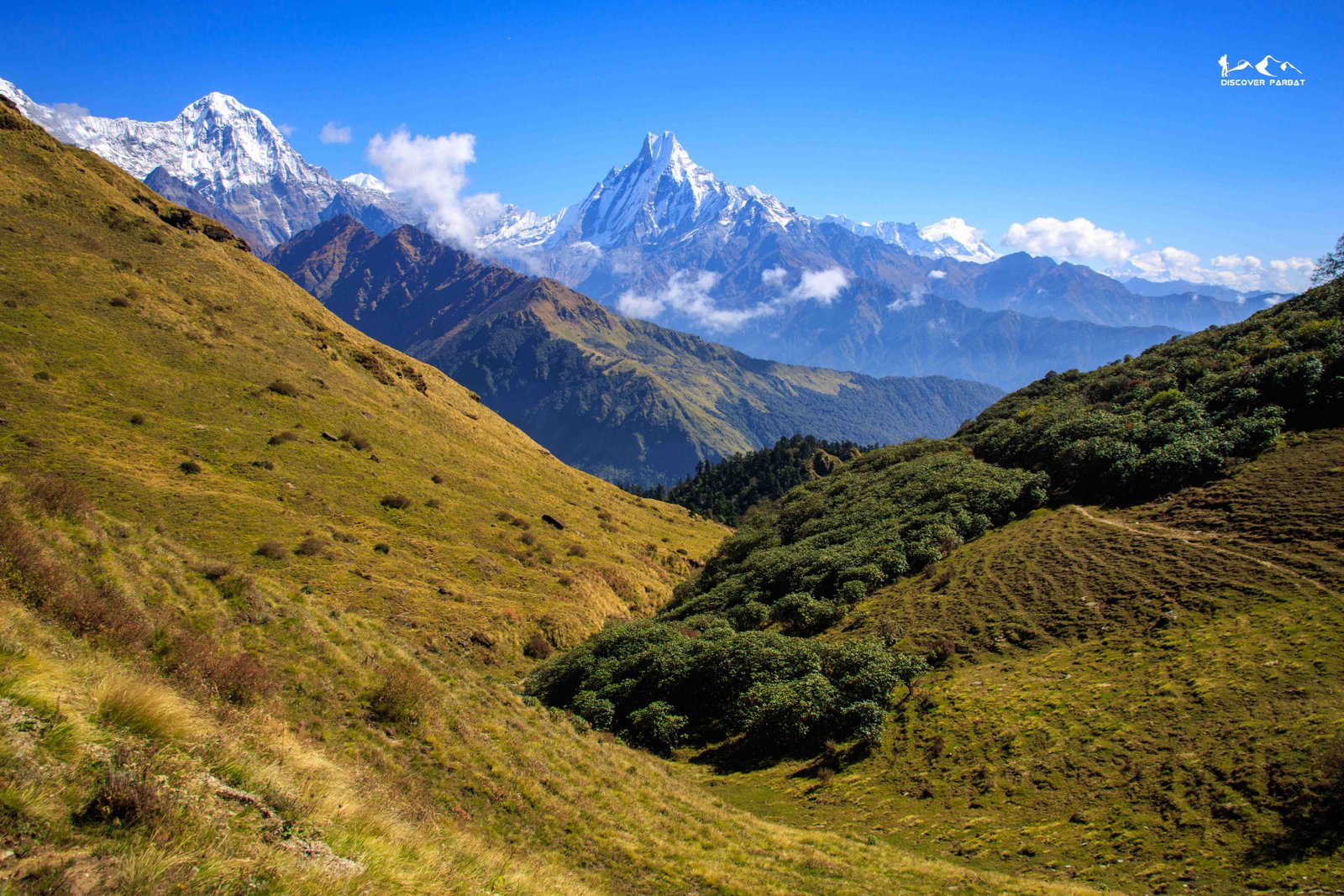
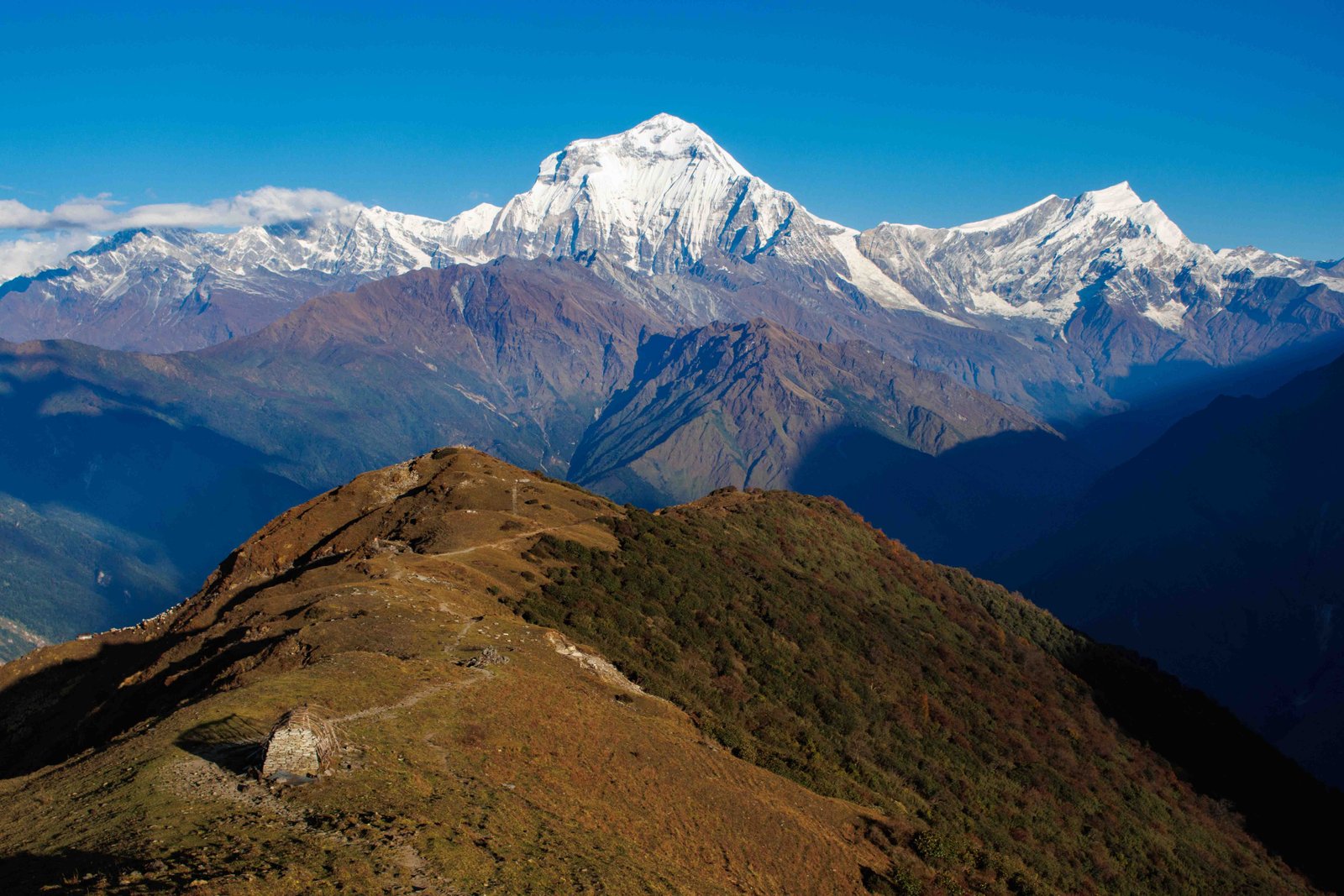
The trail then heads to Khopra Ridge, where the landscape opens into alpine pasture and broad panoramas. The community lodge on the ridge looks across the Kali Gandaki gorge to Dhaulagiri, with Annapurna South and Nilgiri completing the skyline.
Khayer Lake, Poon Hill and the hidden beauty of Kokhe Danda
One of the most memorable days is the challenging excursion from Khopra to Khayer Lake at about 4,660 metres. Lying beneath Annapurna South, this sacred high-altitude lake adds a remote and spiritual dimension to the trek.
The route then descends to Swanta and climbs to Ghorepani for Poon Hill. Instead of joining the usual pre-dawn rush, our itinerary schedules the visit after breakfast, which can mean a quieter experience depending on conditions and visitor numbers.
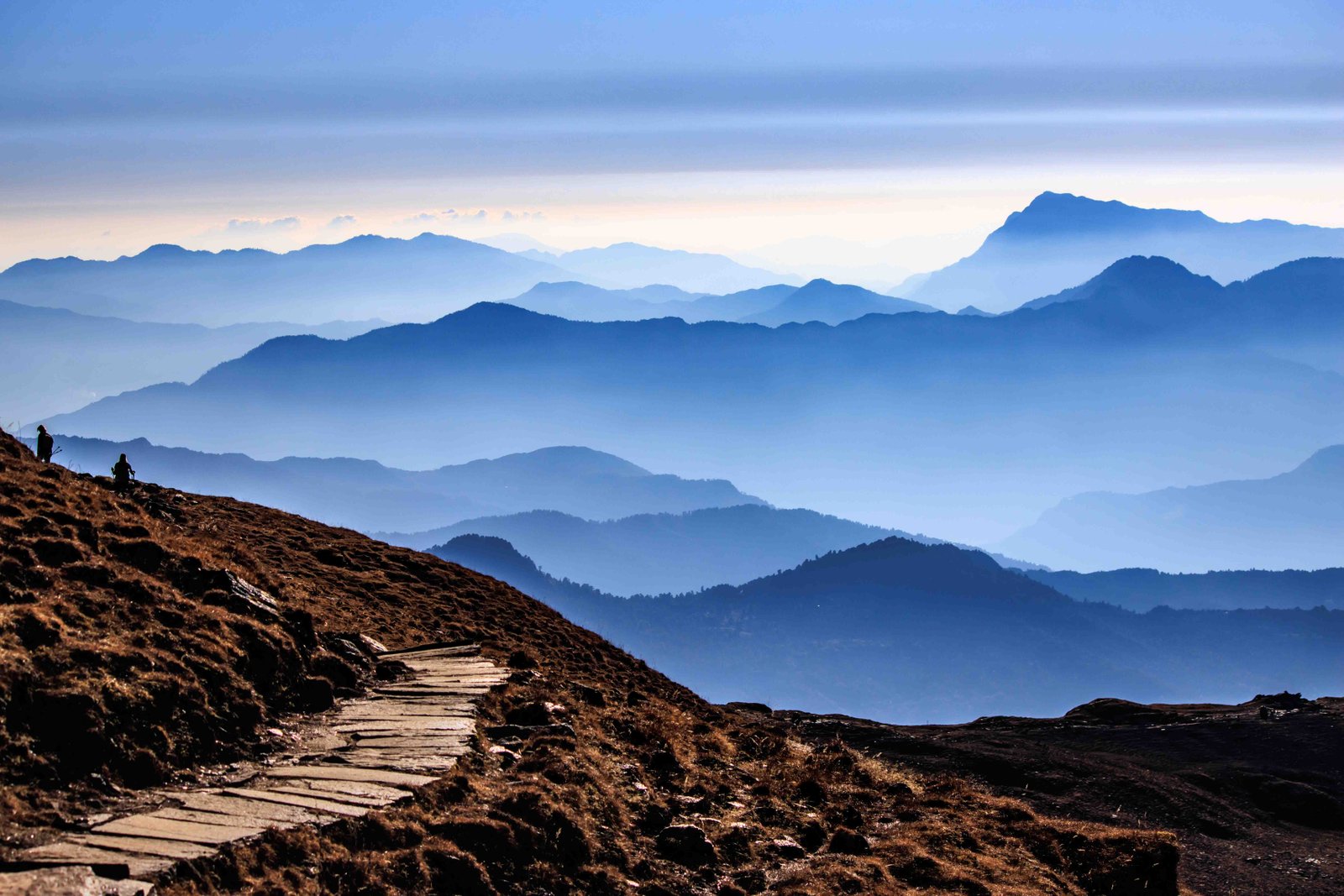
Beyond Poon Hill, the trek continues into Parbat district to Kokhe Danda, a lesser-known viewpoint with expansive Himalayan panoramas. This section sets the itinerary apart from conventional Annapurna treks, following quieter trails through Magar villages.
The final stretch passes through Lespar, where a family homestay and a momo-making session give you a glimpse of village life, before the trek finishes via Haljure and Banau and a drive back to Pokhara through Kushma.
Why choose the Multiple Viewpoints Trek?
Unlike a trek built around one pass or destination, this itinerary is all about variety: different angles on the same ranges, forest trails, alpine terrain, traditional villages and quieter community-based sections. It is especially appealing if you value photography, sunrises and cultural encounters, and want to explore beyond Nepal's most heavily visited corridors.
- Six Himalayan viewpoints in one 14-day itinerary
- Views of Annapurna, Dhaulagiri, Machhapuchhre and Nilgiri
- Mardi Himal's dramatic ridgeline scenery
- Muldai Viewpoint and Khopra Ridge
- A challenging day hike to sacred Khayer Lake
- Poon Hill and the quiet panoramas of Kokhe Danda
- Gurung and Magar culture, village trails and a family homestay
Our takeIf you want more than one iconic viewpoint, this trek offers the richest mix of mountain scenery, culture and quiet trails, and it starts right from Pokhara.
Alternative 3Api Himal Trek: remote adventure in far-western Nepal
Best for: experienced, adventurous trekkers seeking remote mountain landscapes, few visitors and a less-developed trekking region.
If Manaslu appealed to you for its remoteness and sense of adventure, consider heading much farther west to Api Himal Base Camp, one of Nepal's least-explored Himalayan destinations.
In the far west of the country, around Darchula, the Api Himal area feels very different from the established routes around Pokhara and the Annapurna region. Mountains, isolated settlements, forests, river valleys and limited tourism infrastructure give it a distinctly wild character, and a quieter side of the Himalayas.
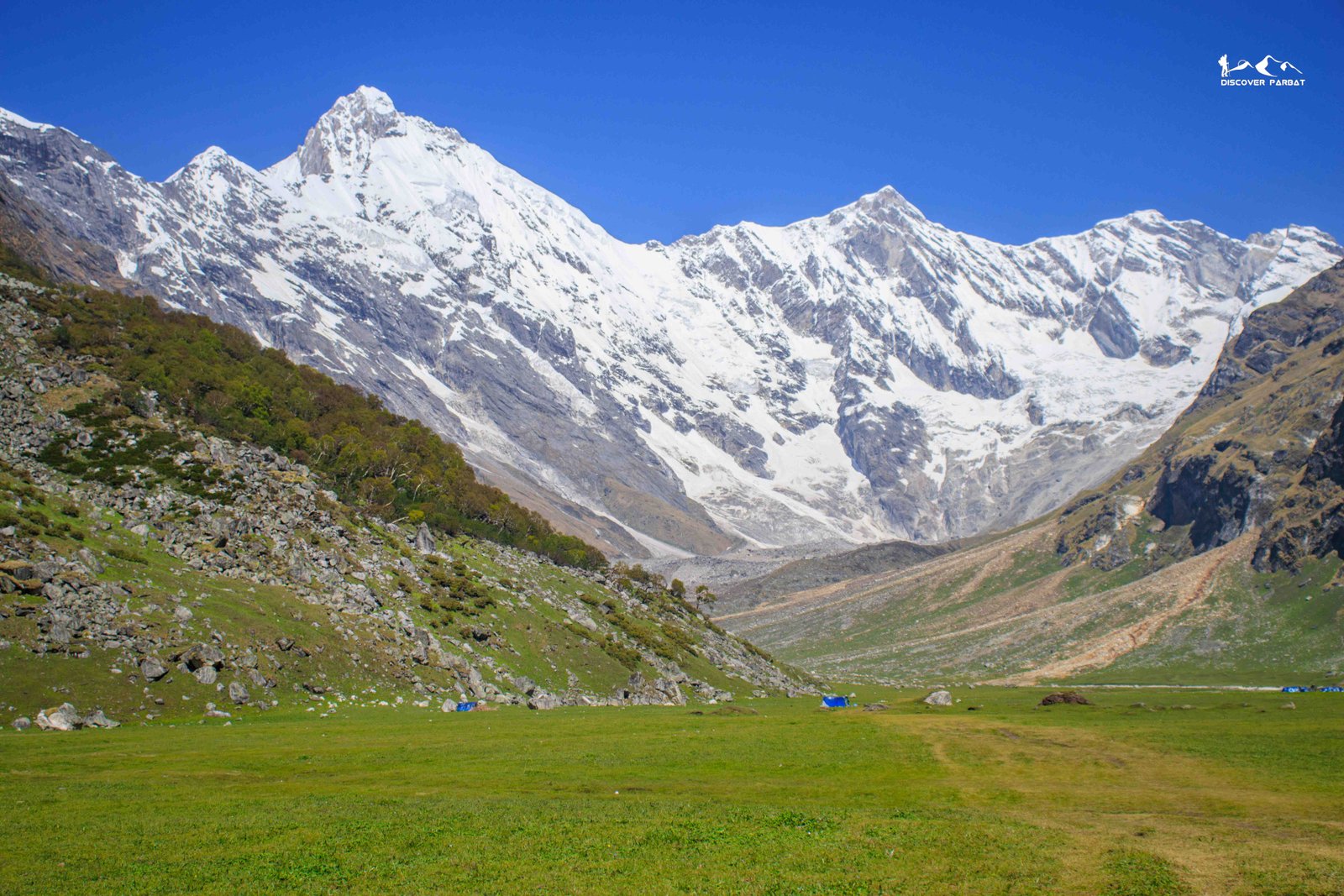
What makes Api Himal different?
Api Himal is not a conventional teahouse destination with services at every stop. Depending on the itinerary, you may meet remote trails, basic accommodation, camping requirements and limited access to supplies. That makes planning especially important: transport, food, accommodation, local support and emergency arrangements all need careful thought before departure.
Getting there generally means travelling to far-western Nepal, with the approach depending on your trailhead and current transport. Options include a flight to Dhangadhi followed by a long overland journey, or a longer road trip from elsewhere in Nepal. Confirm the actual approach with a local operator before booking.
With extra time, Api Himal can potentially be combined with Bardia National Park, creating a wider western Nepal itinerary that pairs remote mountains with lowland wildlife. This needs additional travel days and careful logistics, not just a simple extension of the trek.
Why choose Api Himal instead of Manaslu?
Api Himal appeals to travellers who value exploration, solitude and visiting a region outside Nepal's mainstream circuit. Where the Annapurna Circuit has established infrastructure and the Multiple Viewpoints Trek mixes popular highlights with quieter trails, Api Himal is a more remote undertaking that calls for more flexibility, preparation and local expertise.
It isn't necessarily the easiest or quickest replacement for a cancelled Manaslu trip. It is best for trekkers with enough time, comfort with basic facilities and an appetite for a more adventurous expedition.
- Explore the remote landscapes of far-western Nepal
- Mountain scenery far from the busiest trekking routes
- Isolated settlements and distinctive local cultures
- A less commercialised trekking experience
- Option to combine with wildlife in Bardia National Park
Before you commit: confirm route conditions, permits, accommodation and evacuation arrangements. Api Himal needs considerably more preparation than established trekking routes.
Which Manaslu alternative should you choose?
All three offer a different way to experience Nepal's Himalayas. The right choice depends on what drew you to Manaslu in the first place, and how much time you have.
| Trek | Best for | Duration | Main attraction |
|---|---|---|---|
| Annapurna Circuit | Classic high-altitude adventure | 12 days | Thorong La Pass at 5,416 m |
| Multiple Viewpoints Trek | Panoramic views and quieter trails | 14 days | Six viewpoints, including Khayer Lake and Kokhe Danda |
| Api Himal Trek | Remote exploration | Route-dependent | Far-western Himalayan wilderness |
Annapurna Circuit
Choose it if you want a recognised long-distance trek, a major high-altitude pass and a mix of mountain landscapes and traditional Himalayan culture.
View the trek →Multiple Viewpoints
Choose it if you prefer a varied journey with several panoramic viewpoints, community experiences and quieter trails around Annapurna and Dhaulagiri.
View the trek →Api Himal
Choose it if you have more time, want a less-visited region and are ready for more demanding logistics and basic facilities.
View the trek →Plan your next Himalayan adventure
The disruption to the Manaslu Circuit and Tsum Valley is a reminder that mountain plans must stay flexible, particularly after extreme weather. Choosing another destination should never mean compromising on safety or overlooking the latest local conditions, and no departure date is worth trusting a makeshift passage that even locals find hard to cross.
For a well-established high-altitude adventure, the Annapurna Circuit remains a compelling option. For a broader range of Himalayan panoramas, consider the Multiple Viewpoints Trek. And experienced adventurers with more time may find Api Himal Base Camp an exciting way to discover far-western Nepal.
At Discover Parbat, we help travellers explore Nepal beyond the usual routes, with carefully planned treks that combine mountain scenery, local culture and lesser-known destinations, and we will always tell you honestly when a route isn't safe.
Before setting out, always confirm current trail access, weather, road conditions and local safety advice with your trekking operator. For the Manaslu Circuit and Tsum Valley, do not attempt entry from the south until the route has been officially confirmed safe and accessible, not just passable on improvised paths.
Frequently asked questions
Is the Manaslu Circuit open in October 2026?
No. As of the 21 October 2026 update, the Manaslu Circuit is not safely accessible for ordinary trekking. Local people have built makeshift passages around sections destroyed by flooding and landslides, but these are not a trekking trail, and conditions are not expected to improve enough within the next week.
Some agencies say Manaslu is practically open again. Is that true?
No. These claims are misleading and potentially dangerous. Some improvised sections are extremely steep and unstable, and even experienced local Nepalis struggle to get through them. A makeshift passage is not the same as a safe, established trekking route.
What happened to the bridge near Philim?
The flood damaged the roughly 90-metre suspension bridge near Philim, an essential crossing on the southern approach, along with several other bridges. This makes restoring access far more complicated than routine trail repair.
How can trekkers already inside the Manaslu region get out?
Trekkers who were north of Nyak Phedi can continue north, but their only exit is over Larkya La into the Annapurna region. In Tsum Valley, the options are a difficult two-day detour followed by Larkya La, or helicopter evacuation.
What is the best alternative to the Manaslu Circuit?
For a classic high pass and similar Himalayan scale, the 12-day Annapurna Circuit over Thorong La (5,416 m). For panoramic views and quieter trails, the 14-day Multiple Viewpoints Trek. For true remoteness with more time and preparation, the Api Himal Base Camp Trek in far-western Nepal.
Should I cancel my Manaslu booking?
Contact your trekking agency, confirm the latest conditions with local authorities, and discuss postponement or an alternative itinerary. If an agency tells you the route is open, ask exactly how the damaged sections are crossed. Do not plan to enter from the south until the route is officially confirmed safe and accessible.