The weather in brief
October has already arrived and Dashain is around the corner, yet afternoon storms keep rolling in. If you are wondering whether the monsoon ever ended, you are not alone.
The short answer: it hasn't fully left yet. The good news is that it is on its way out. The monsoon is expected to officially exit Nepal by the end of the second week of October, and from then until mid-December the weather should be good for trekking, unless a sudden disturbance develops.
Why is it still raining in October?
Two things are happening at once.
First, the monsoon has begun withdrawing from far-western Nepal, but it is still hanging on over the central and eastern parts of the country. Withdrawal is gradual, not a switch that flips on a set date.
Second, a separate weather system has joined in. It formed over Gujarat and Maharashtra in India, moved across Uttar Pradesh, and is now pushing toward the western and mid-western skies over Nepal. Combined with instability in the upper atmosphere, it is making the rain more active and more violent than usual for this time of year.
That is why some places have seen:
- Sudden heavy downpours out of a clear morning
- Strong winds and storms
- Hail in parts of the hills and valleys

Where is rain still likely this week?
The widespread heavy rain of Tuesday and Wednesday should start to ease. Even so, the chance of rain stays high until Friday in these regions:
- SudurpaschimShowers likely, easing after Friday as the monsoon withdraws.Rain likely
- LumbiniShowers likely through Friday, with afternoon storms in the hills.Rain likely
- Gandaki (Pokhara, Parbat, Annapurna)Short, intense afternoon downpours possible, with wind and hail.Storms possible
- Bagmati (Kathmandu Valley, Chitwan)Very heavy rain in short bursts after midday, with wind and hail.Storms possible
- Western MadheshRain chances remain until Friday, then decrease.Rain likely
- Terai (after Friday)Chances of rain decline across most of the plains.Improving
Mountain weather changes fast. Check a local forecast on the morning you travel or trek.
Quick to come, quick to go
One thing worth knowing about this kind of rain: it usually arrives fast and leaves fast.
When enough energy builds up in warm, moist air during the day (meteorologists call it convective available potential energy), clouds can tower up in a short time and dump heavy rain. In the mountains this tends to fall as intense showers lasting anywhere from a few minutes to about an hour. After that, the sun often comes back out.
For trekkers, this is actually manageable. Mornings are usually the clearest part of the day. Walk early, reach your teahouse by early afternoon, and you will dodge most of it.
When will the rain stop?
Don't expect the rain to stop everywhere at once. It never really does.
After Friday, the chance of rain will gradually drop over most of the Terai. In the hills, localized afternoon or evening showers can hang around for a few more days.
The bigger picture is clear, though. The monsoon is expected to officially exit Nepal by the end of the second week of October. From there on until mid-December, the weather should be good across most of the country: drier air, clearer skies and those sharp mountain views autumn is famous for. The one caveat is a sudden disturbance, which can still happen but tends to be short-lived at this time of year.
Will Dashain be wet and muddy?
It is still a little early to say for sure.
Across most of the Terai, the damp and cloudy weather should improve around Ghatasthapana. In the hills, light afternoon showers remain possible in places. In other words, expect some sunny-afternoon, rainy-evening days, with the odd sudden heavy shower still on the cards.
Whether you need an umbrella on tika day largely depends on the Bay of Bengal. Sea surface temperatures there are currently warm enough to support a new weather system, but it is too early to know if one will form. A clearer picture should emerge over the next few days.
Travelling over Dashain? Buses and flights fill up fast around the festival, and an afternoon storm can delay mountain flights. Book transport early and keep a buffer day on either side of your trek.
What this means for autumn trekking
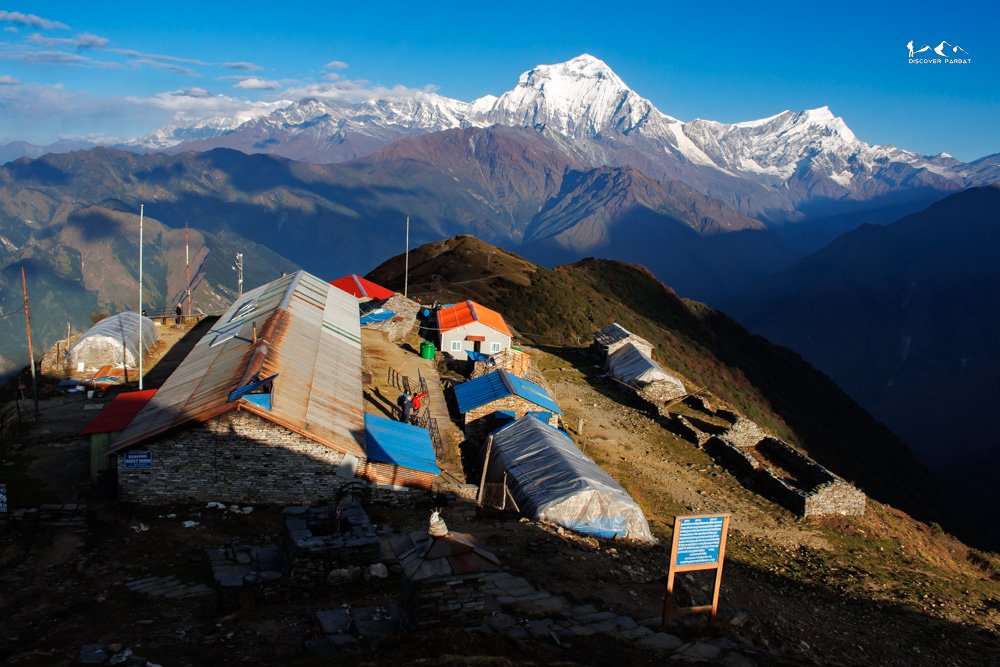
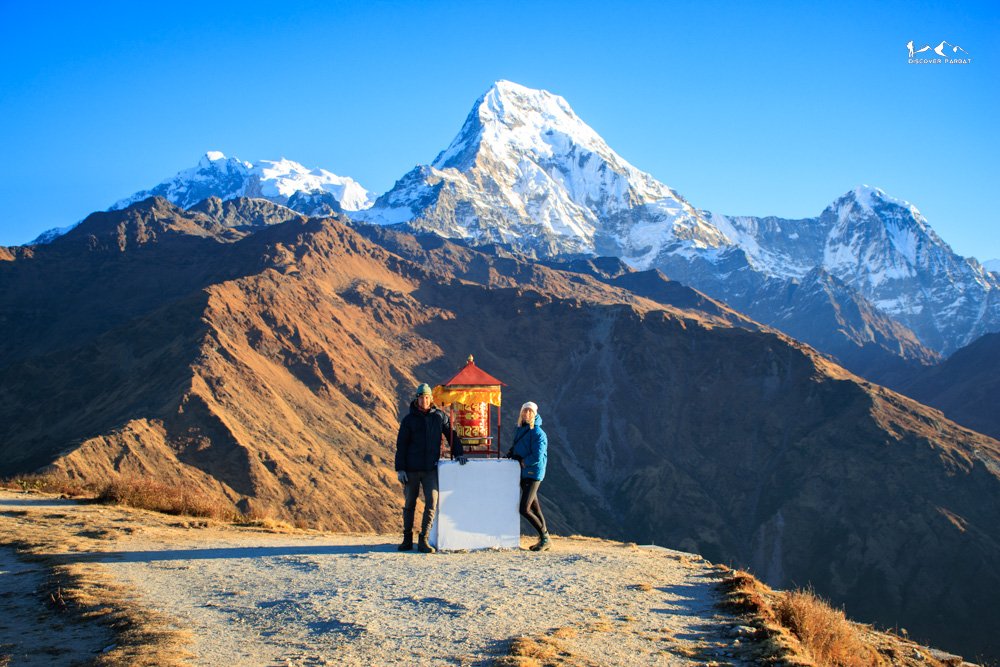
For anyone planning a trek, this is encouraging news. Mid-October to mid-December is Nepal's prime autumn trekking season, and once the monsoon clears, the trails around Annapurna and Parbat are at their best.
If you are heading for the Annapurna Circuit, remember that storm damage from earlier this month is still being repaired. See our Annapurna Circuit trail and road update for the latest section-by-section conditions.

Trekking tips for the next two weeks
- Start walking early and aim to reach your stop by early afternoon, before storms build.
- Pack a proper rain shell and pack cover; a short downpour can still soak you.
- Avoid exposed ridges and passes in the afternoon when lightning and hail are possible.
- Watch for slippery trails and fresh landslide debris after heavy showers.
- Keep a spare day for weather, flight delays or Dashain transport crowds.
- Get a local update from your guide or teahouse before each big day.
Nights are getting colder. As the air dries out after the monsoon, temperatures at altitude drop noticeably. Bring a warm sleeping bag and insulated layers, especially above 3,000 m.
Final note
Nature keeps its own calendar. The monsoon does not leave just because the date says October. But it is leaving, and the weeks ahead look set to deliver the clear, stable weather that makes autumn the favourite season for trekking in Nepal.
Discover Parbat will keep watching the forecast and update this article as the monsoon withdraws and any new systems develop.