The Mardi Himal and Poon Hill Trek is a 10-day, moderate trek from Pokhara that joins two of the Annapurna region's finest walks in one journey. You climb the Mardi Himal ridge to the Upper Viewpoint and Mardi Base Camp, cross to Ghandruk, Tadapani and Ghorepani for the famous Poon Hill sunrise, then finish along the quiet Kokhe Danda ridge and down through the villages of Parbat.
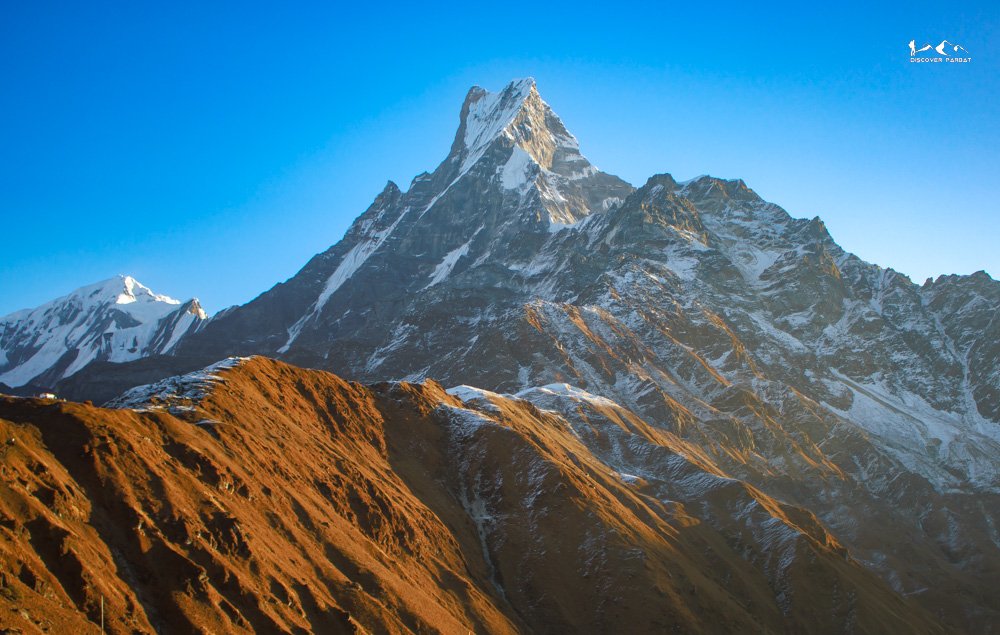
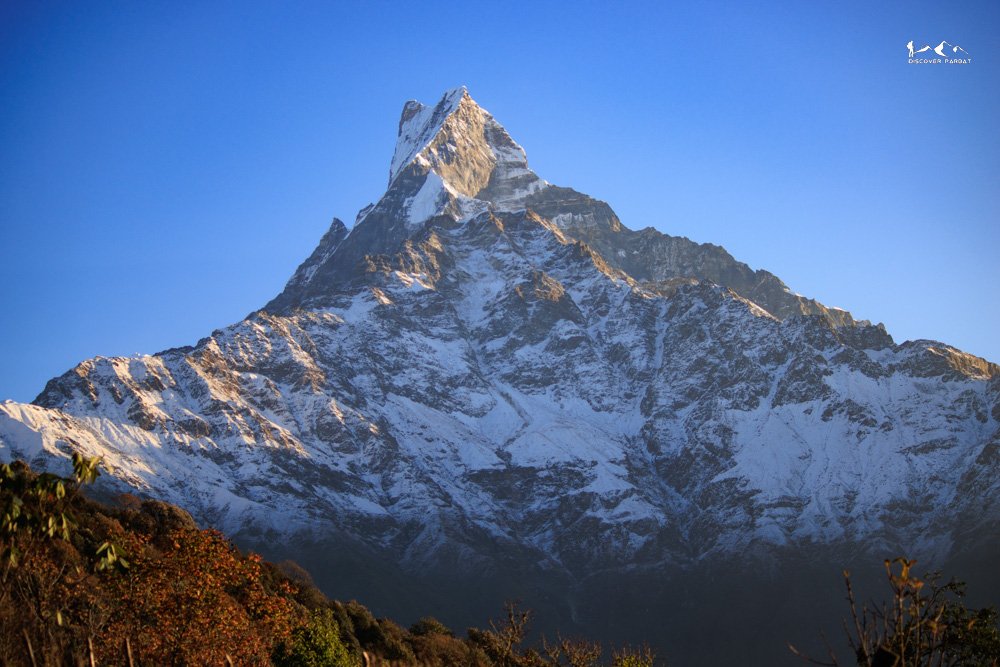
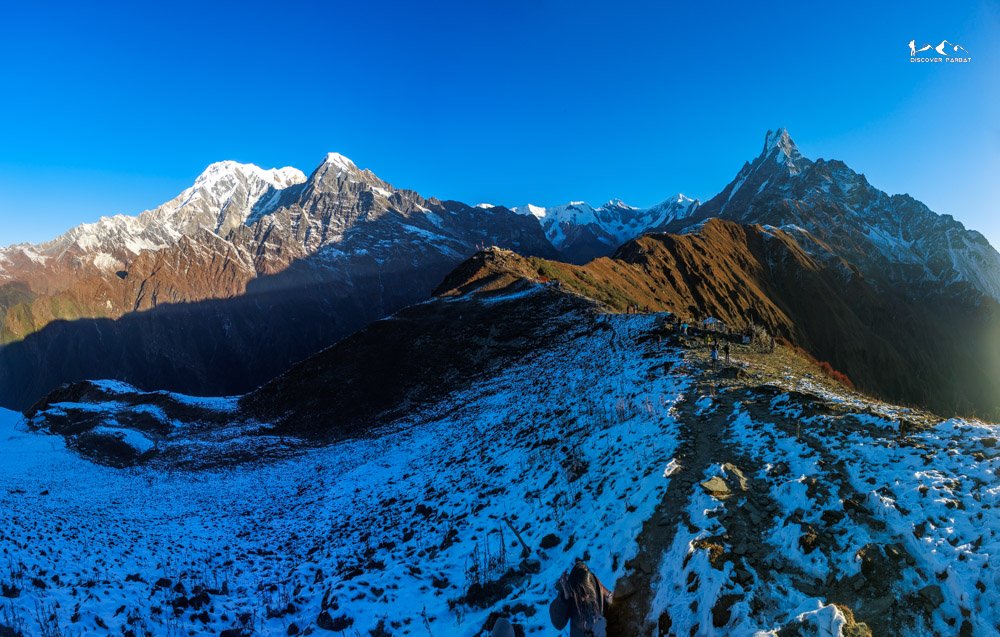
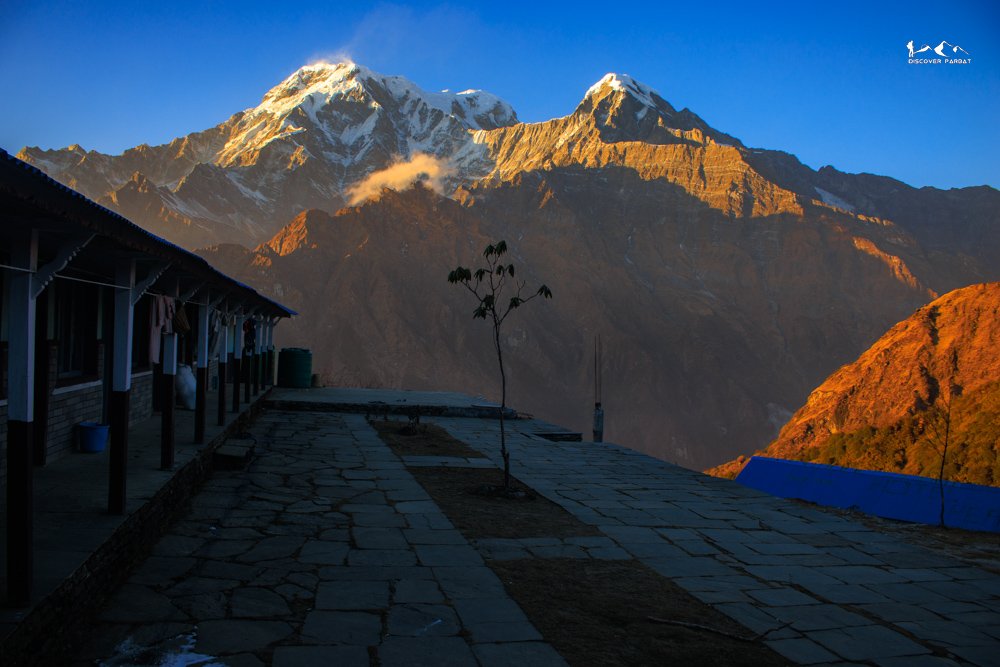
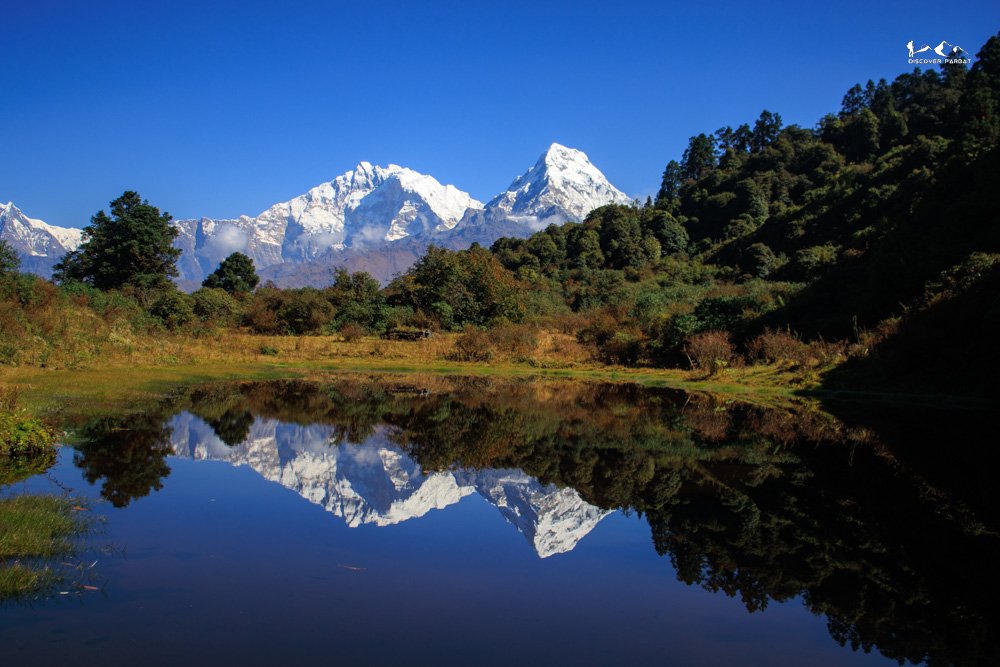
The Mardi Himal section is a narrow, open ridge that rises steadily above the rhododendron and oak forest. After a drive from Pokhara to Kande, you climb through Australian Base Camp to Suire Danda, then on to Low Camp and High Camp at 3,553m. Above the treeline, Machhapuchhre (Fishtail), Annapurna South, Hiunchuli and Mardi Himal stand almost within reach, and the ridge is far quieter than the more crowded routes in the region.
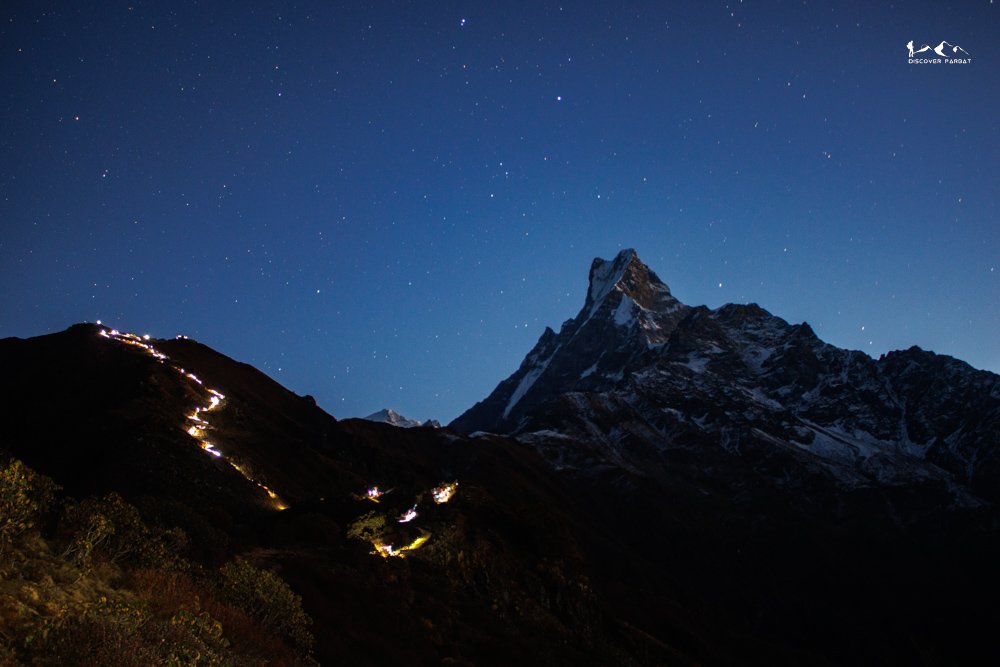
The highlight of this section is the early morning hike from High Camp to the Upper Viewpoint and Mardi Base Camp. Starting before dawn, you climb for two to three hours to watch the first light touch the peaks, with a wide sweep of the Annapurna range behind you. It is a demanding morning, but the reward is one of the closest mountain panoramas you can reach without technical climbing.
After descending to Rest Camp and Landruk, the trek moves into Gurung country. Ghandruk is one of the largest Gurung villages in Nepal, with stone-paved lanes, traditional houses and close views of Annapurna South and Machhapuchhre. A restful morning here gives your legs a break before you continue to Tadapani through Bhaisikharka, and then to Ghorepani through rhododendron and oak forest via Banthati and Deurali.
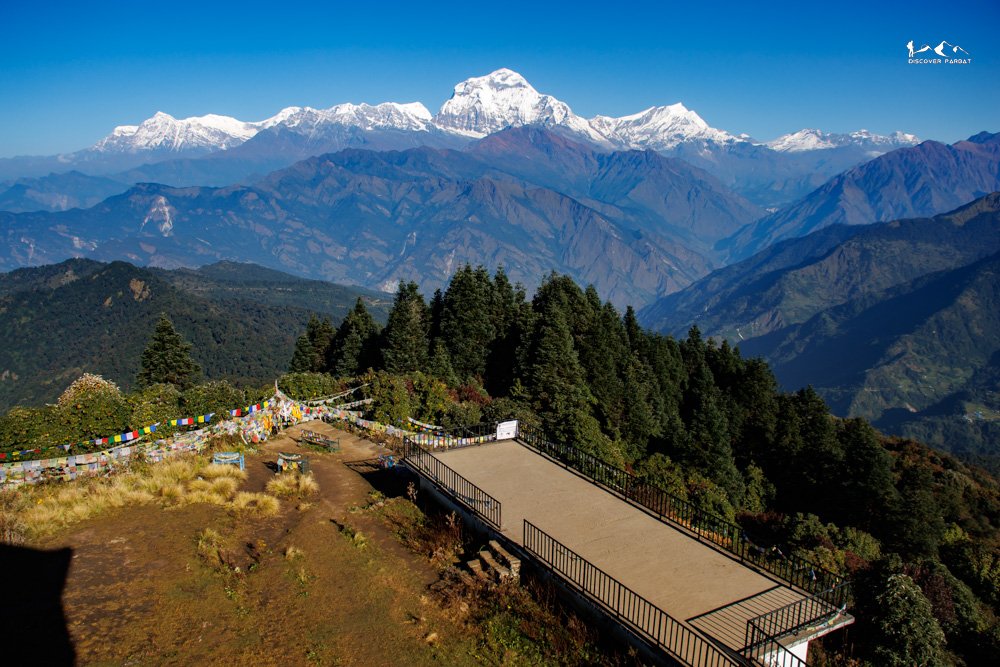
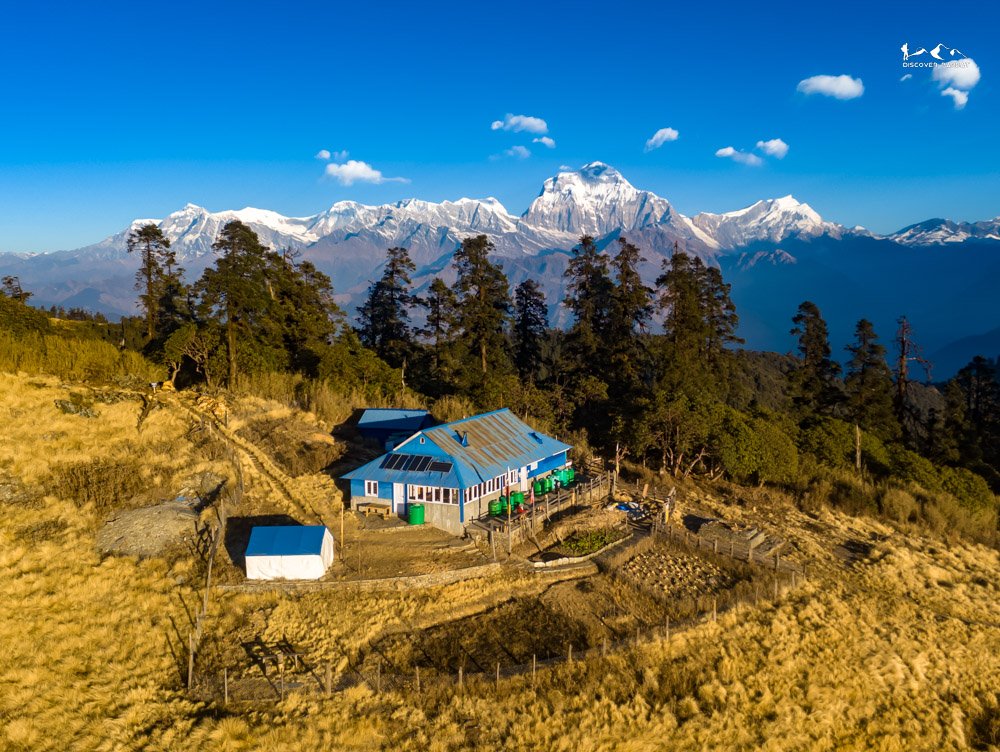
Poon Hill (3,210m) is the second highlight. A short, steep climb before breakfast puts you on one of the best sunrise viewpoints in Nepal, with Dhaulagiri and the Annapurna range turning gold in the first light. From here the route leaves the standard circuit and follows the ridge to Kokhe Danda (3,309m), a quiet viewpoint that most trekkers never visit.
The final two days show a side of the region that few visitors see. You descend through Jaljala to Lespar, then walk down via Haljure to Banau, traditional villages in the Parbat district where life still follows the rhythm of farming and the seasons. From Banau, a private vehicle takes you back to Pokhara in about two and a half hours.
Plan Your Trek
Best Time, Cost and Getting There
Best time: October and November give the clearest views and dry trails, and March to May brings rhododendron blooms along the ridge and through the forest between Tadapani and Ghorepani. December to February is possible for well-prepared trekkers, but High Camp nights are well below freezing. June to September is monsoon, when the high ridge gets slippery and views are unpredictable.
Cost: the trek costs $680 to $850 per person depending on group size. It includes private transport, three meals a day with tea or coffee, tea house accommodation and your guide. ACAP and TIMS permits are extra, and we help you arrange them in Pokhara. See the cost table.
Getting there: we drive from Pokhara to Kande in about an hour and start walking from there. The trek ends at Banau in Parbat, where our vehicle takes you back to Pokhara in about two and a half hours.
Short on time? The 5-day Mardi Himal Trek covers the ridge and viewpoint only. For an easier homestay trek in Parbat, see the Kokhe Danda Trek, or combine more viewpoints with the Multiple Viewpoints Trek.