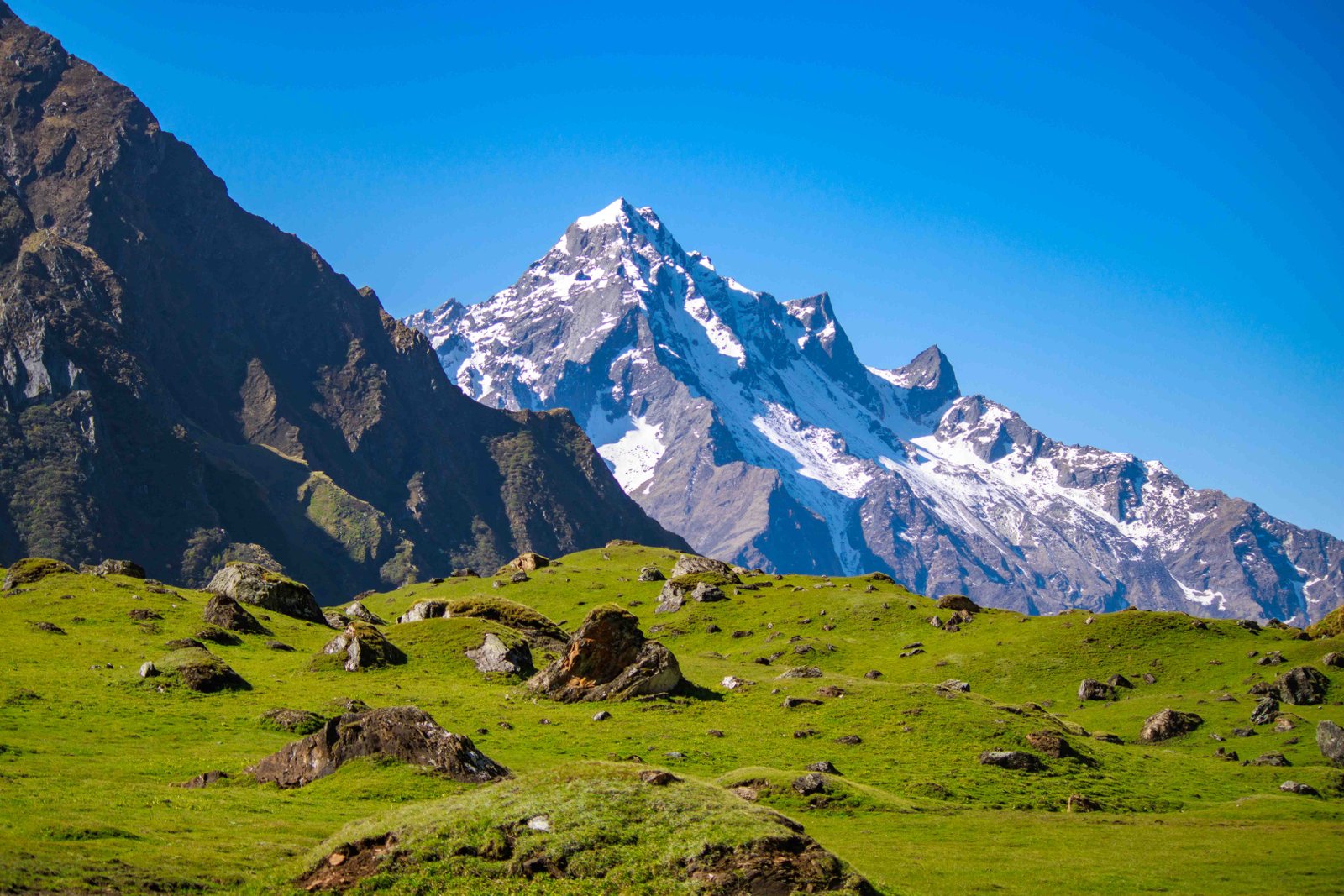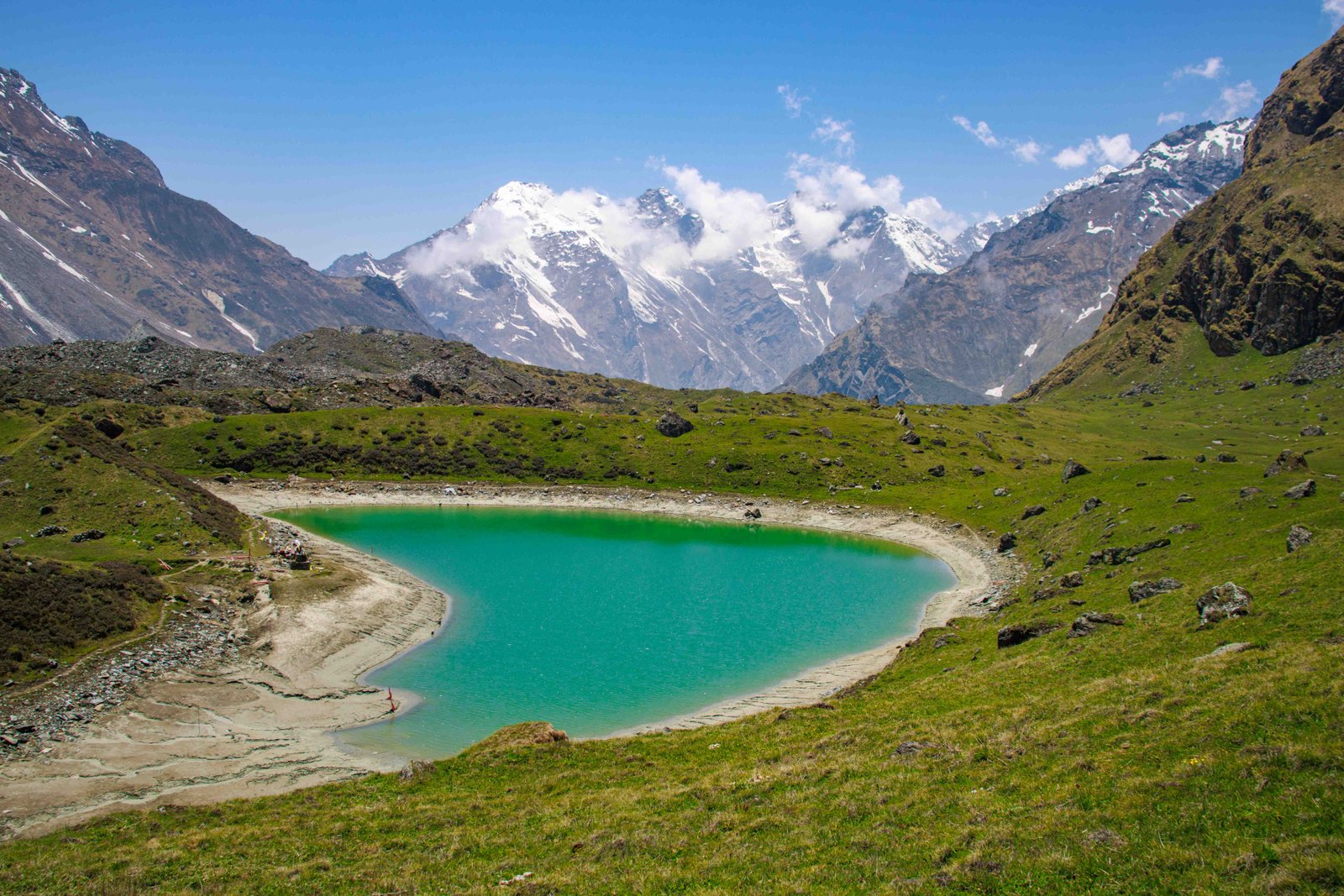
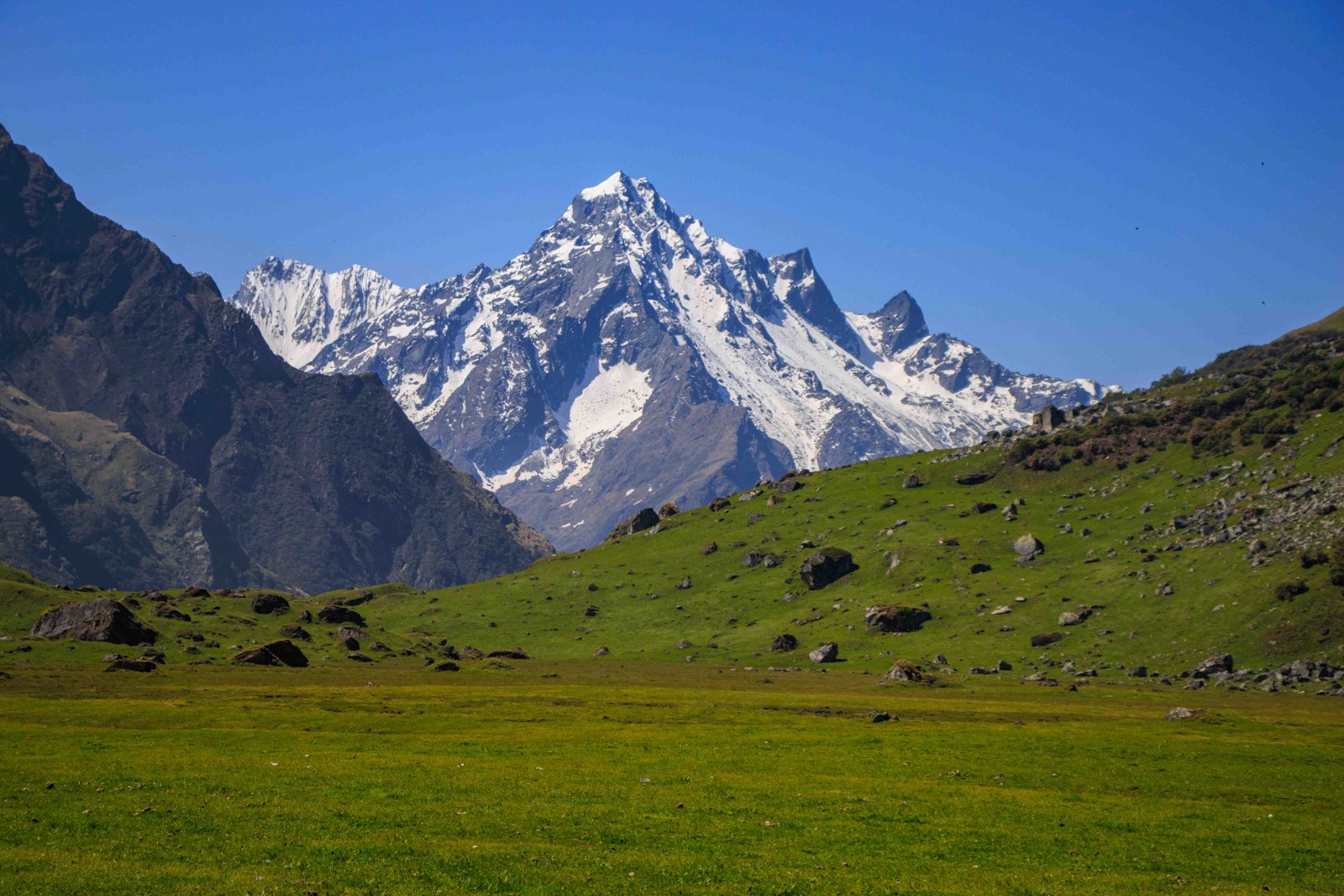
Api Himal sits in the far north-western corner of Nepal, about as far from Kathmandu as you can get without leaving the country. Reaching its base camp by road is long, but it is simpler than most people expect.
In mid-June I made the journey solo, by public bus and shared jeep, to walk to Api Base Camp. It was the start of the pre-monsoon, but I was lucky and did not meet any rain on the road. I broke the trip with one night in Attariya, which I would recommend to anyone. This guide covers every leg as I found it, so you can decide whether the road is right for you or whether flying makes more sense.
If you are joining our Api Himal Base Camp Trek, you do not need to plan any of this. The package flies from Kathmandu to Nepalgunj and breaks the drive west with two days in Bardiya National Park. The road route in this guide is available as an option on the package, and it is also the way independent and Nepali travellers usually reach Darchula.
The routeKathmandu to Makarigad at a glance
Makarigad is the roadhead for Api Base Camp, up the Chameliya valley in Darchula district. It is not the same as Darchula's district headquarters at Khalanga, so make sure your jeep is going to Makarigad.
- Kathmandu (Gongabu bus park) → Attariya / DhangadhiSofa-seater night bus west across the Terai. About 20–22 hours with three or four meal and tea breaks.
- Overnight in Attariya or DhangadhiRest, shower, draw cash and find your jeep for the next morning.
- Attariya → Gokuleshwor → Latinath → MakarigadShared jeep on the hill highway. About 12–13 hours, blacktopped to Latinath, then around 1.5 hours off-road.
Leg 1Kathmandu to Attariya by bus
Buses for Dhangadhi and Attariya leave from Gongabu bus park in the afternoon, mostly around 2 to 3 pm. I took a sofa-seater bus, which reclines further than a standard deluxe seat and makes the night much easier. The fare was NPR 3,500.
The bumpiest part of the whole bus ride comes first, between Kathmandu and Mugling, where the road is often patched and slow. After Mugling the road improves, and from the Terai onwards it is a long, smooth run west along the highway all the way to Dhangadhi. Expect the journey to take about 20 to 22 hours, with three or four stops for meals and tea, so you arrive around the middle of the next day.
Food on the bus route
Honestly, the highway food on this stretch is not great. The stops are quick and the choice is limited. Pack plenty of fruit, some biscuits or dry snacks and a full water bottle, and treat the stops as a chance to stretch rather than a proper meal.
Why I stopped overnight in Attariya
You could try to connect straight onto a jeep, but after 20-plus hours on a bus, a hotel bed, a shower and a decent dinner make a real difference to the next 12 hours on a hill road. Attariya is a busy junction just north of Dhangadhi, so jeeps for Darchula are easy to find, and both towns have ATMs. Arrange your jeep seat the evening before so you know the departure time.
Leg 2Attariya to Makarigad by jeep
From Attariya or Dhangadhi, shared jeeps run north into the hills towards Darchula. Mine was a six-seat jeep, and a seat cost NPR 2,500. If you are a small group or want more space and control over stops, you can reserve the whole jeep for around NPR 15,000.
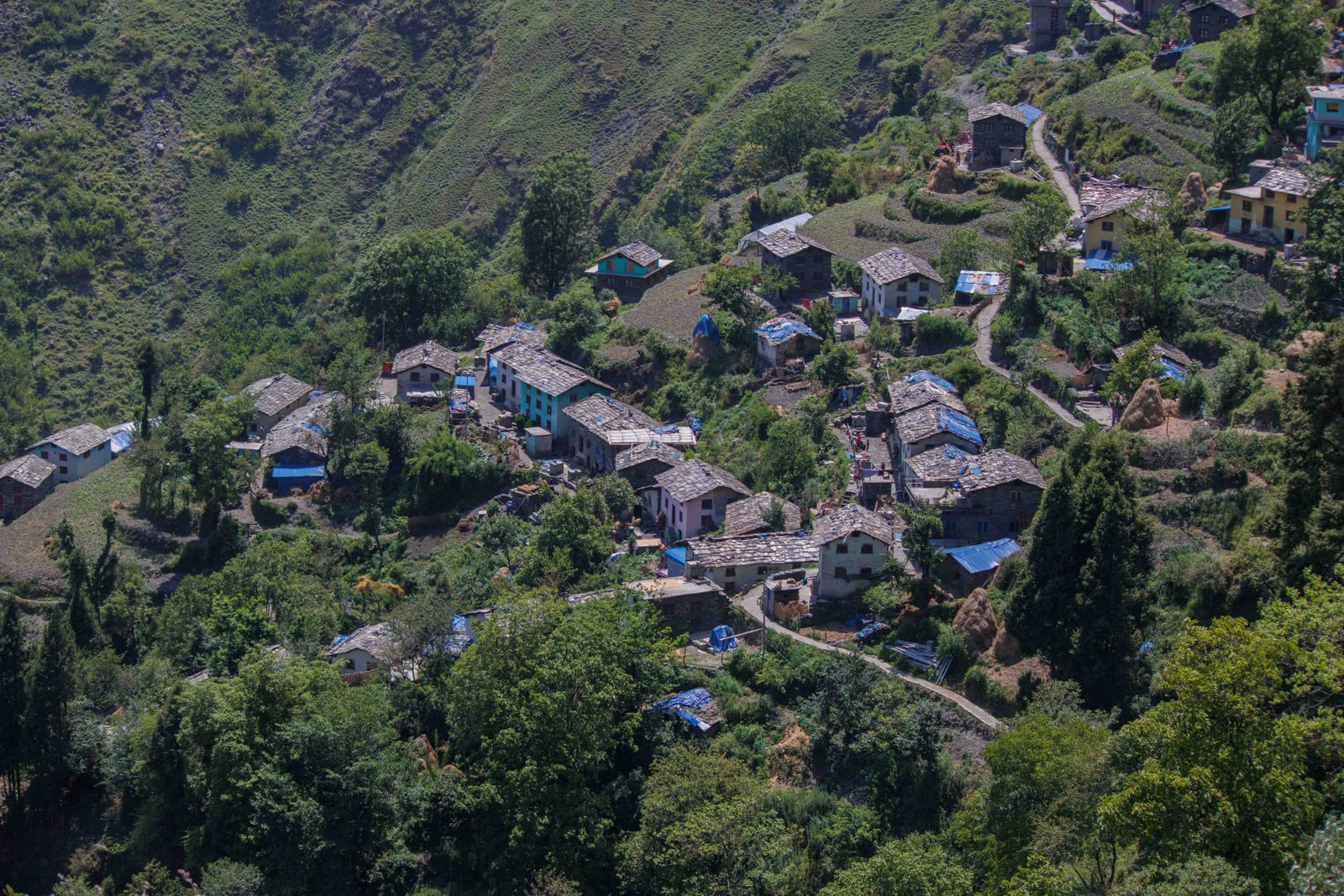
This is a 12 to 13 hour day on the hill highway, winding up and down ridges through Dadeldhura and Baitadi and on to Gokuleshwor, where you should withdraw any last cash you need. The road is blacktopped as far as Latinath. After that comes roughly 1.5 hours of off-road driving to Makarigad, slow, dusty in dry weather and the part most likely to be affected by rain.
FaresHow much it costs
These are the fares I paid in June. Prices change with fuel costs and season, so check locally before you travel.
| Leg | Vehicle | Time | Fare |
|---|---|---|---|
| Kathmandu (Gongabu) → Attariya / Dhangadhi | Sofa-seater bus | 20–22 hrs | NPR 3,500 |
| Attariya / Dhangadhi → Makarigad | Shared 6-seat jeep | 12–13 hrs | NPR 2,500 per seat |
| Attariya / Dhangadhi → Makarigad | Reserved jeep | 12–13 hrs | NPR 15,000 per jeep |
| One way, shared transport | Bus + jeep | About 2 days | About NPR 6,000 |
Add one night's hotel and meals in Attariya or Dhangadhi, plus food on the road.
Before you leave the roadCash, ATMs and mobile network
Cash is king beyond the roadhead. Homestays and teahouses on the Api trail generally do not accept cards or online payments. There are ATMs in Dhangadhi and Attariya, and the last one on the way is in Gokuleshwor. Withdraw enough there for the whole trek, plus a buffer for delays.
Mobile network is fine along the road. On the trail it becomes weak after Siti and is mostly gone after Chhirchhire, so send any messages you need before then and let your family know you may be out of contact for several days.
PaperworkCheckpoints and permits
There is an entry checkpoint at Makarigad, and permits are checked again after Khaikot on the trail. The trek runs through the Api Nampa Conservation Area, so you will need its entry permit. Foreign trekkers should also go with a licensed guide, in line with Nepal's current trekking rules. If you trek with us, we arrange the permits and the guide.
The verdictIs the long journey worth it?
For me, completely. The road is the price you pay for a trail that still feels untouched. In five days of walking from Makarigad I met only three other trekking groups. The homestays are authentic and the people are welcoming, without any of the commercial feel of the busier routes. The trail is not waymarked, but it is easy enough to follow.
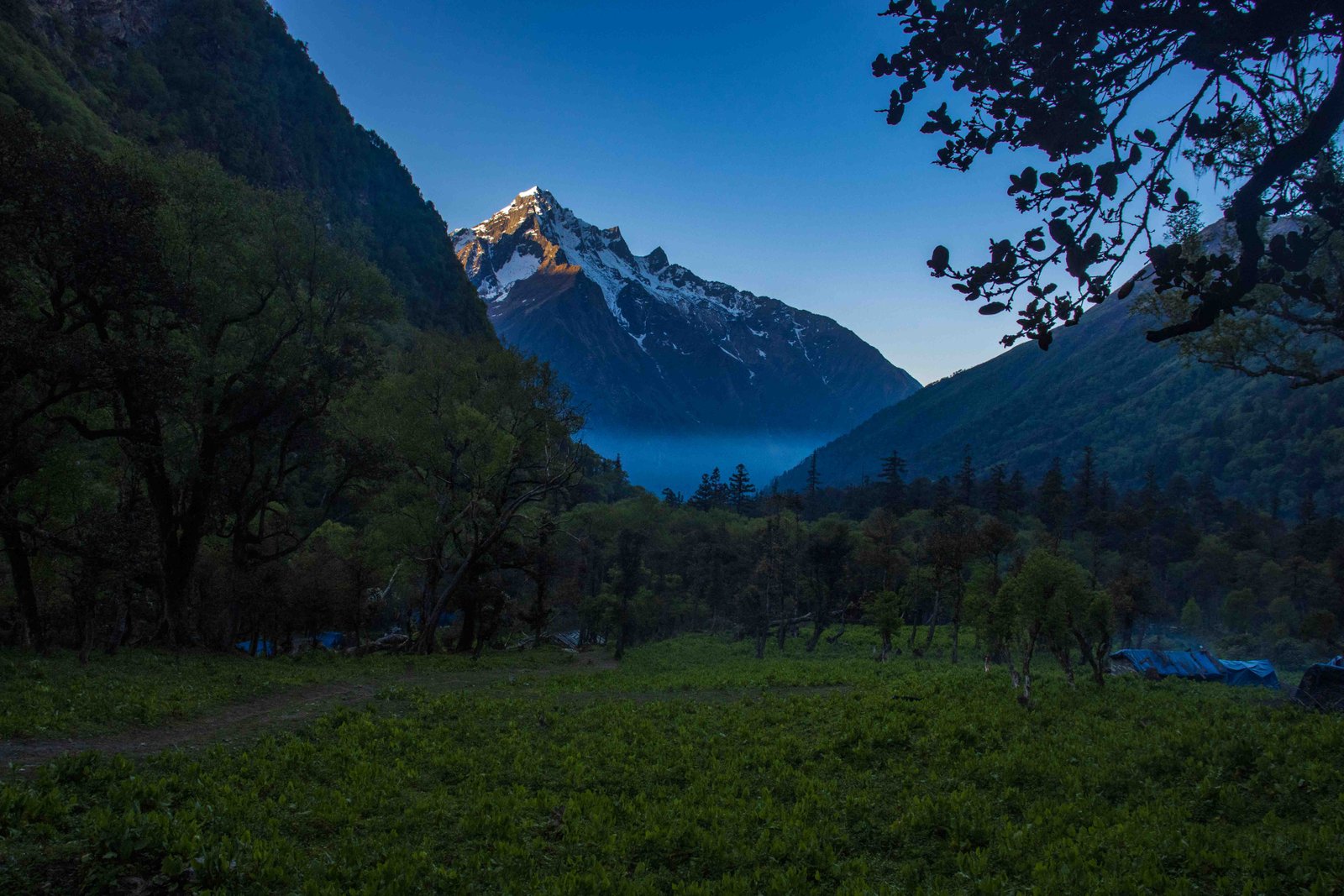
The mountains open up after Bhalle Khola, just before Dhauli Odhar, and at base camp the valley spreads into wide pastures with snow peaks on every side. In May and June you may also share the valley with hundreds of yarsagumba collectors, who camp there for about a month. For me, all of that made two days on the road an easy trade.
For the full day-by-day route, accommodation and costs, see our Api Himal Base Camp Trek page.
Your choiceBus or fly?
Fly to Nepalgunj
A one-hour morning flight replaces the whole first bus leg, and the drive west is broken with two days of wildlife in Bardiya National Park. Best if your holiday time is limited or you would rather not spend a night on a bus.
Bus from Kathmandu
Cheaper, and you see far more of the country, from the Terai to the hills of Dadeldhura and Baitadi. On our package, travelling by road saves $110 per person and adds one day. Best if you have time and enjoy the journey as much as the destination.
Let us handle the journey
Our 14-day trip covers flights, all road transport, permits, a local guide and porter, homestays, Bardiya and Lumbini. Prefer the road? Tell us and we will plan it that way.
See the trek →From experiencePractical tips for the road
- Book a sofa seater: the extra recline is worth it on a 20-hour overnight bus.
- Pack your own food: fruit and dry snacks beat most highway meals on the way to Dhangadhi.
- Break the journey: a night in Attariya or Dhangadhi makes the jeep day much more bearable.
- Carry enough cash: withdraw for the whole trek in Gokuleshwor at the latest.
- Go in the right season: mid-October to mid-December and May to June are the best windows. In the monsoon the off-road section after Latinath can become difficult, and winter is hard at base camp.
- Download maps and messages: plan to be offline from around Chhirchhire.
- Keep a buffer day: hill roads in the far west can be slowed by landslides, so leave slack before any flight home.
FAQFrequently asked questions
How long does it take to get from Kathmandu to Makarigad by road?
About two days. The bus from Kathmandu to Attariya or Dhangadhi takes roughly 20 to 22 hours, and the jeep from Attariya to Makarigad takes another 12 to 13 hours. Most people break the journey with a night in Attariya or Dhangadhi.
How much does the bus from Kathmandu to Darchula cost?
When I travelled, the sofa-seater bus from Kathmandu to Dhangadhi or Attariya cost NPR 3,500, and a seat in a shared jeep from Attariya to Makarigad cost NPR 2,500. Reserving a whole jeep cost NPR 15,000. Fares change, so check before you travel.
Where does the bus to Dhangadhi leave from in Kathmandu?
From Gongabu bus park, with afternoon departures around 2 to 3 pm.
Where is the last ATM before Api Base Camp?
There are ATMs in Dhangadhi and Attariya, and the last one on the way is in Gokuleshwor. Homestays and teahouses on the trail generally do not accept cards or online payment, so carry enough cash.
Is there mobile network on the way to Api Base Camp?
Network is available along the road. On the trail it becomes weak after Siti and is mostly gone after Chhirchhire.
Is it better to fly or take the bus to Api Base Camp?
Flying from Kathmandu to Nepalgunj saves most of a day and is how our Api Himal Base Camp Trek package runs. The road is cheaper and shows you much more of far-western Nepal, but it takes about two days each way. On our package the road option saves $110 per person and adds one day.