
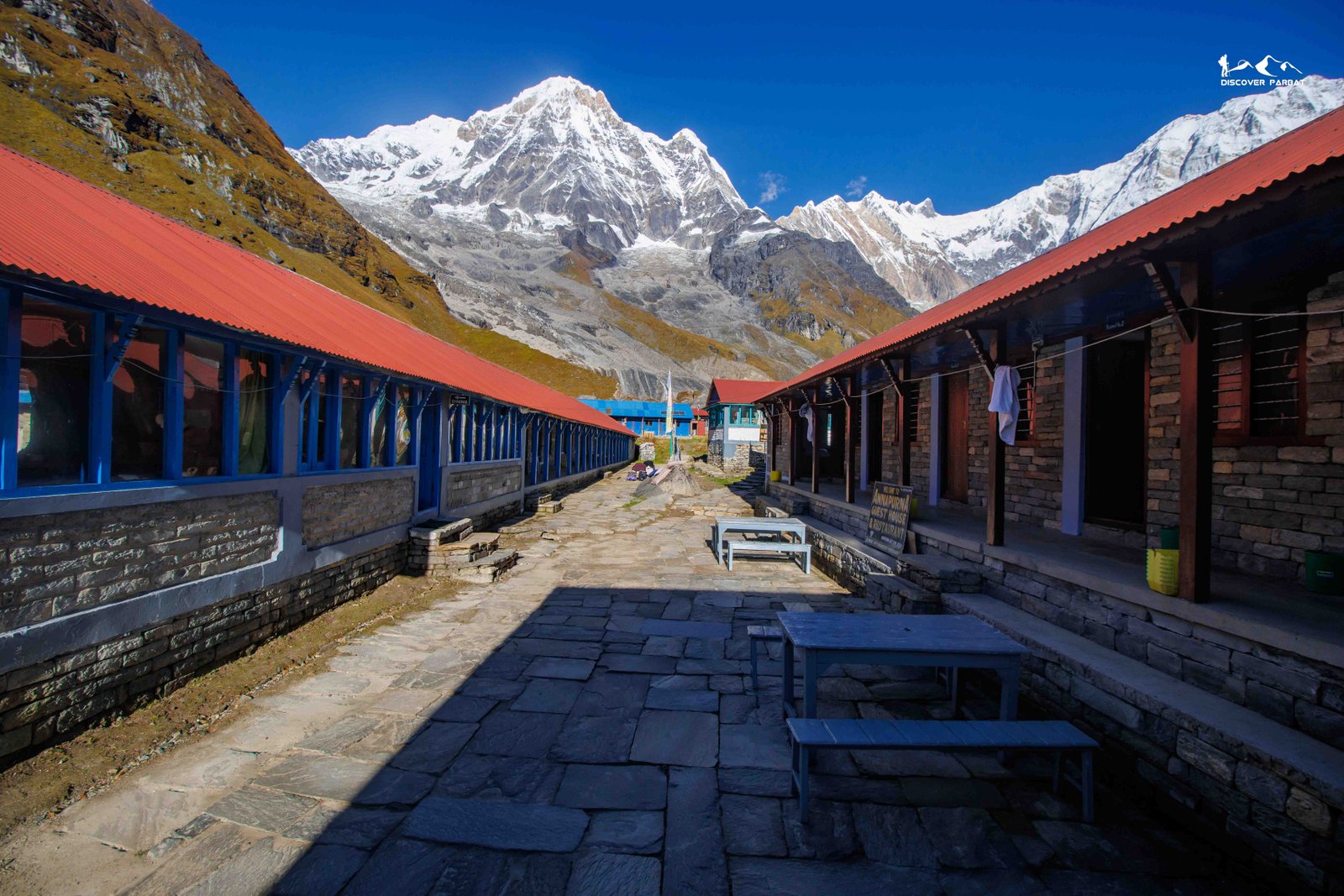
Organised trekking in Nepal first took root in the Annapurna region, which remains one of the most popular trekking destinations in the world today. In those early years, however, the trails looked nothing like they do now. There were no lodges, no dining rooms, and no hot showers waiting at the end of a long day's walk. The routes passed through remote villages and high mountain terrain with virtually no infrastructure designed for visitors.
If you have ever booked a trek in Nepal, you have almost certainly come across the word teahouse. Your itinerary mentions teahouse accommodation. Your guide talks about teahouse trekking. Every blog you read calls them teahouses. Yet when you arrive, you find yourself sleeping in a perfectly comfortable lodge — sometimes with an en-suite bathroom, a menu of hot meals, and a cosy dining room warmed by a wood-burning stove. So where did the name come from, and why does it stick?
The answer is a story that stretches back to the earliest days of trekking in Nepal — and it begins not with trekkers at all, but with shepherds.
When Trekking in Nepal Meant Carrying Everything on Your Back
Organised trekking in Nepal first took root in the Annapurna region, which remains one of the most popular trekking destinations in the world today. In those early years, however, the trails looked nothing like they do now. There were no lodges, no dining rooms, and no hot showers waiting at the end of a long day's walk. The routes passed through remote villages and high mountain terrain with virtually no infrastructure designed for visitors.
For foreign trekkers, that meant one thing: camping treks. Groups would set out with a full team — guide, cook, and porters — carrying tents, sleeping bags, cooking equipment, and all their food supplies from the very start of the route to the finish. The mountains were accessible, but only if you brought everything you needed with you.
The Shepherds Who First Opened Nepal's High Trails
Long before the first foreign trekker set foot on a Himalayan trail, these same mountain paths were walked by local shepherds.
Each year, as winter gave way to spring and the snow began to pull back from the higher elevations, shepherds from the villages below would gather their sheep and yaks and begin the slow climb toward the upper grasslands. The high pastures offered rich grazing that the lower valleys simply could not match, and the annual movement of herds along these routes was as much a part of mountain life as the seasons themselves.
The journey was long, and the high country offered nothing in the way of comfort. So the shepherds did what mountain people have always done — they built simple stone huts at key stopping points along the way. These were rough shelters where they could rest, sleep, and store the supplies they had carried up from their villages. As the summer grazing season drew to a close and autumn brought the first warnings of winter, they would pack up, descend, and return to village life until the following year.
These stone huts were not built for anyone else. They were private, practical shelters — a shepherd's solution to the challenge of spending months in the high mountains. But that was all about to change.
A Cup of Tea That Changed Everything
As trekking in the Annapurna region grew through the 1960s and 1970s, foreign trekking groups began moving through the same high terrain that the shepherds had long used for grazing. The two worlds — the shepherd heading to the grasslands with his herd, and the trekker pushing toward a high pass or viewpoint — started crossing paths more and more often.
The shepherds were observant people. They noticed that these trekking groups were tired, cold, and carrying a great deal of weight. They also noticed something else: trekkers would stop almost anywhere for a hot drink.
And so, gradually and informally, the shepherds began doing something simple. They started selling tea.
It was not a business plan. It was not a lodge or a guesthouse. It was a pot of tea, brewed over a fire inside a stone hut, sold to a passing group of trekkers for a few rupees. But for the trekkers, a hot cup of tea on a cold mountain morning was worth stopping for — and they stopped, they paid, and they came back the next season to find the tea waiting again.
From Tea to Snacks, From Snacks to Shelter
Once the shepherds realised that trekkers were a reliable and willing source of income, the offering grew. Tea came first. Then came snacks — biscuits, chocolates, and simple foods that trekking groups were happy to buy rather than carry themselves. The stone huts that had been built purely for shelter became informal stopping points along the trail, places where a group could rest, refuel, and warm up before continuing.
The next step was almost inevitable. If trekkers were willing to pay for tea and snacks, would they also pay for a meal? For a place to sleep? The shepherds quickly found out that the answer was yes.
The stone huts were gradually upgraded — first into simple shelters that could accommodate a small group overnight, then into modest guesthouses offering basic meals and a bed. The menus were simple. The rooms were plain. But for a trekking group that had been living in a tent for days, a roof, a hot meal, and a dry place to sleep felt like luxury.
Over time, those early guesthouses were replaced by proper lodges. The menus expanded. The rooms improved. Solar panels appeared. On the busier routes, hot showers became standard. What had started as a shepherd selling tea from a stone hut had evolved into a full network of comfortable trekking lodges stretching the length of Nepal's Himalayan trails.
Why the Name Teahouse Never Left
Here is the truth about names: the ones that arrive early tend to stay forever.
By the time those first stone huts had grown into proper guesthouses, the trekking community had already settled on a word for them. Teahouses. It was what the early trekkers called the places where the shepherds sold tea, and the name travelled with them back to Kathmandu, into guidebooks, and eventually around the world.
As the lodges grew more comfortable, nobody sat down and decided to update the terminology. The word teahouse had already embedded itself in the language of Himalayan trekking — in the stories trekkers told when they returned home, in the trek reports they wrote, and in the guides that first-timers read before their very first trip to Nepal.
Today, you can walk into a teahouse on the Annapurna Circuit and find a menu with pasta, pizza, and apple pie. The room might have a private bathroom and a proper mattress. The WiFi might actually work. But it is still called a teahouse — and every trekker who walks through the door knows exactly what that means.
Teahouses on the Trails Around Parbat
In the Parbat region — the quieter, less-visited corner of the mountains — the teahouse tradition is very much alive, but with a character entirely its own. The trails here see far fewer trekkers than the busier circuits to the north, which means the teahouses along routes like Kokhe Danda feel closer to that original spirit: small, family-run, and genuinely local.
On the Kokhe Danda trek, accommodation includes a real family homestay in the village of Haljure — not a purpose-built lodge, but an actual rural Nepali household where meals are cooked over an open fire and eaten together with the family in the traditional style. It is as close as modern trekking gets to the original teahouse experience: a local family opening their home to a passing traveller, offering warmth, food, and shelter in exchange for a small fee.
That is, when you think about it, exactly what those shepherds were doing when they handed a cup of tea to a cold and grateful trekker on a mountain trail in the hills of the Annapurna region.
The Teahouse: A Simple Idea That Built an Entire Trekking Culture
The word teahouse carries more history than most people realise when they first book a trek in Nepal. It is not a marketing term or a branding decision. It is the name that clung to a very specific moment in time — the moment a shepherd in the high mountains of the Annapurna region sold a cup of tea to a passing group of foreign trekkers — and never let go.
From that cup of tea grew an entire system of lodge-based trekking that today allows hundreds of thousands of people every year to walk the trails of Nepal carrying nothing more than a daypack. The teahouses fed them, sheltered them, and made the mountains accessible in a way that camping treks never could. And they did it all because someone, somewhere on a high mountain trail, was cold enough to stop for tea.
Planning a trek in the Parbat region? Explore our routes — including the quiet trails, family homestays, and teahouse experiences of the Kokhe Danda trek — and get in touch with our team to plan your trip.
Planning a trek in Parbat? Tell us your dates and we'll help you choose the right route.
Contact our team