
The season asks a little more of you — more patience with the weather, more flexibility with your plans, more attention to road conditions and the trail underfoot. In return, it offers something no other season quite matches: the Himalayas in full bloom, dripping with waterfalls, alive with colour, and almost entirely to yourself.
Every year, as June approaches and the clouds begin to build over the Himalayan foothills, many trekking websites and guidebooks will advise you to wait. Monsoon, they say, is not the time to be on the trail. But does this really represent the whole story? The monsoon season in Nepal typically begins in mid-June and withdraws around late September to early October — and if you look a little closer at what those months truly offer, the picture is far more interesting than a simple warning to stay home.
The reality of monsoon trekking in Nepal is nuanced. It has its challenges, but it also has rewards that no other season can match. Here is what you need to know before you make a decision.
The Truth About the Trails During Monsoon
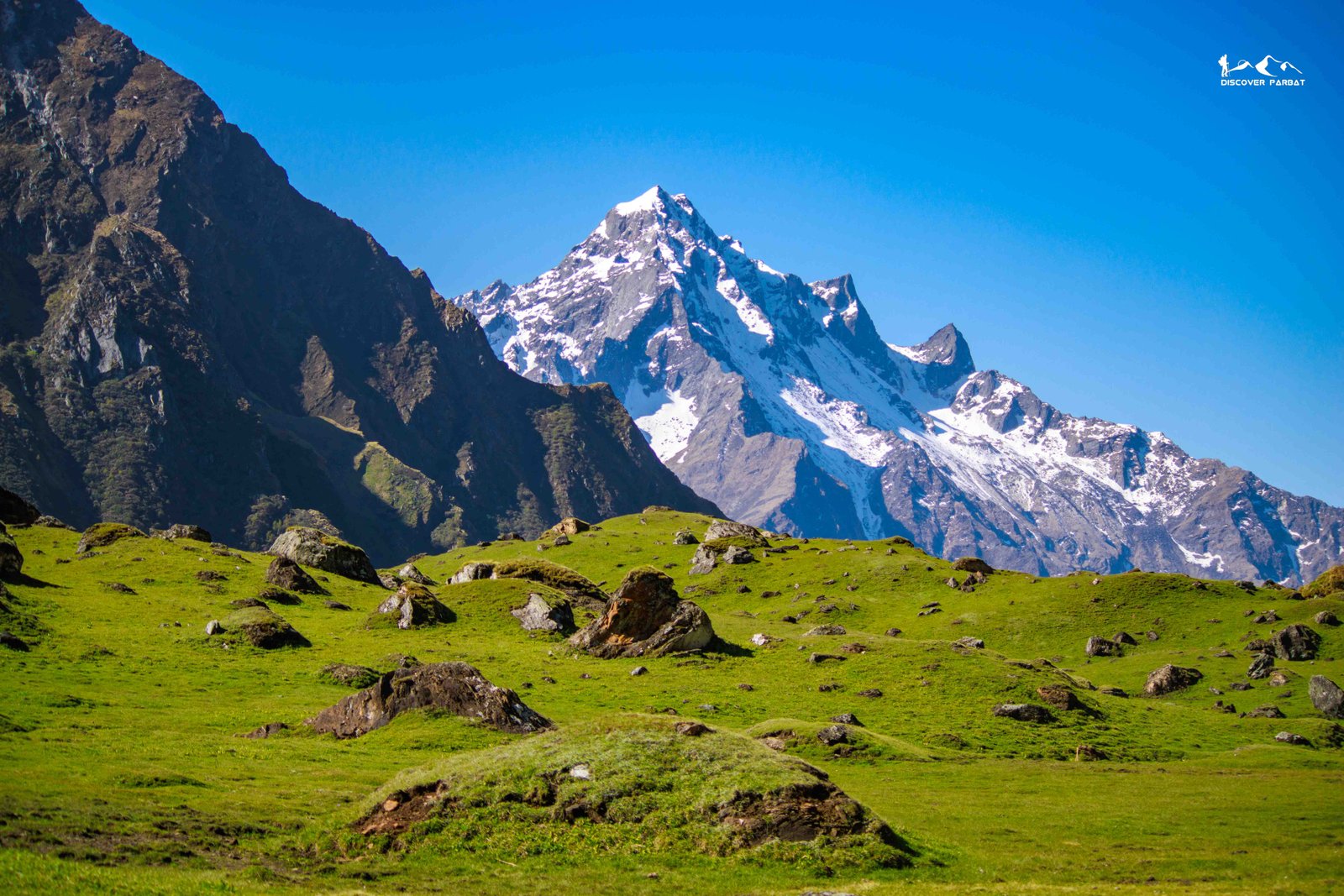
If you have only ever visited Nepal during the dry season — away from the heat, the dust, and the crowds — monsoon will genuinely shock you with how different it feels. The landscape transforms completely. Brown, brittle hillsides are suddenly blanketed in deep green. Wildflowers appear at every elevation, scattered along trail margins in bursts of colour. Waterfalls that are barely noticeable in other months thunder down cliff faces and gorges. It is, without question, one of the most visually stunning periods of the year to be walking Nepal's trails.
At higher elevations, particularly near the alpine pastures, trekkers may encounter something that rarely gets attention: herds of sheep being driven up to summer grazing by local shepherds. These are deeply traditional pastoral practices, and witnessing them in the middle of a remote highland landscape is an experience of lasting memory — one that connects you to mountain life in a way that peak tourist season simply cannot offer.

What About Mountain Views?
Honesty is important here. If all you want to see is Annapurna, Dhaulagiri, or Everest gleaming against a clear blue sky, you will need patience — and a degree of luck — during the monsoon period. Cloud cover is common and the weather can change quickly. Mountain views are not guaranteed, and there will be days when the peaks are completely hidden behind mist and cloud.
That said, the mountains do appear. Mornings can at times offer brief, beautiful spells of clarity before the clouds gather. The key is to keep a flexible attitude and watch the weather forecast carefully. If a dramatic peak reveal is the only reason you are on a trek, monsoon will put you to the test. But if you are the kind of traveller who loves the journey itself — the forests, the waterfalls, the quiet villages — then monsoon has something to offer even on overcast days.
The Rain Shadow: Where Monsoon Loses Its Power
Here is something that changes the monsoon calculation entirely: rainfall is not uniform across Nepal. The monsoon system is strongly active on the southern flanks of the Himalayas, where moisture-laden winds rise and release their rain. On the northern side of the main Himalayan range, however, those same mountains act as a barrier — creating what is known as a rain shadow. In these areas, monsoon is far less pronounced, rainfall is much lower, and the skies are dramatically clearer.
This is what makes certain treks genuinely excellent during the monsoon months. Routes such as the Annapurna Circuit, Nar Phu Valley, Upper Dolpo, and Upper Mustang pass through or are largely situated within these rain shadow zones. On the lower approach sections you enjoy lush greenery and wildflowers, then as you cross into the rain shadow, you are rewarded with clean blue skies and some of the clearest mountain views of the entire year. Snowcapped peaks against deep blue skies, ancient villages, and a landscape that feels almost Tibetan — all with far fewer trekkers than you would find in October or November.
For those willing to commit to a longer route, these rain shadow treks are among the best Nepal has to offer, and monsoon is arguably the finest time to do them.

A Note on Highway Conditions During Monsoon
One practical challenge that monsoon trekkers need to plan around is road access. Heavy rainfall can significantly affect highway connectivity in Nepal, particularly on approaches to trailheads in the Annapurna and Mustang regions. Landslides, road closures, and delays are not uncommon — a journey that takes a few hours in October may take considerably longer in July or August.
This does not make monsoon trekking impossible, but it does mean your itinerary needs to be flexible. Always allow extra time at both ends of your trip, check road conditions before you travel, and be mentally prepared for the possibility that getting to the trailhead will itself be part of the adventure.
Short Trek Options: Mardi Himal and Khopra Ridge
Not every trekker is looking for a two-week journey into a remote rain shadow region. For those who prefer a shorter monsoon experience, two routes in the Annapurna region stand out: Mardi Himal and Khopra Ridge.
Both trails sit close to the high mountains. During monsoon, the routes wind through forests brimming with wildflowers, and when the clouds do clear — even briefly — the views of peaks like Annapurna South and Machhapuchhre are breathtaking. These shorter treks are also logistically easier, with fewer of the highway uncertainties that can affect the longer rain shadow routes. They will not promise a cloudless sky every day, but they offer something genuinely special: a quieter mountain trail, alive with colour, shared with almost no one else.

So, Is Monsoon Really a Bad Time to Trek?
It depends entirely on what you are looking for. If you need guaranteed mountain views, predictable travel days, and the company of fellow trekkers around every corner, then spring or autumn will serve you better. But if you are drawn to landscapes at their most alive, trails at their least crowded, and the chance to experience Nepal's mountains in a way that feels unhurried and genuinely remote, then monsoon deserves a serious second look.
The season asks a little more of you — more patience with the weather, more flexibility with your plans, more attention to road conditions and the trail underfoot. In return, it offers something no other season quite matches: the Himalayas in full bloom, dripping with waterfalls, alive with colour, and almost entirely to yourself.
Planning a trek in Parbat? Tell us your dates and we'll help you choose the right route.
Contact our team