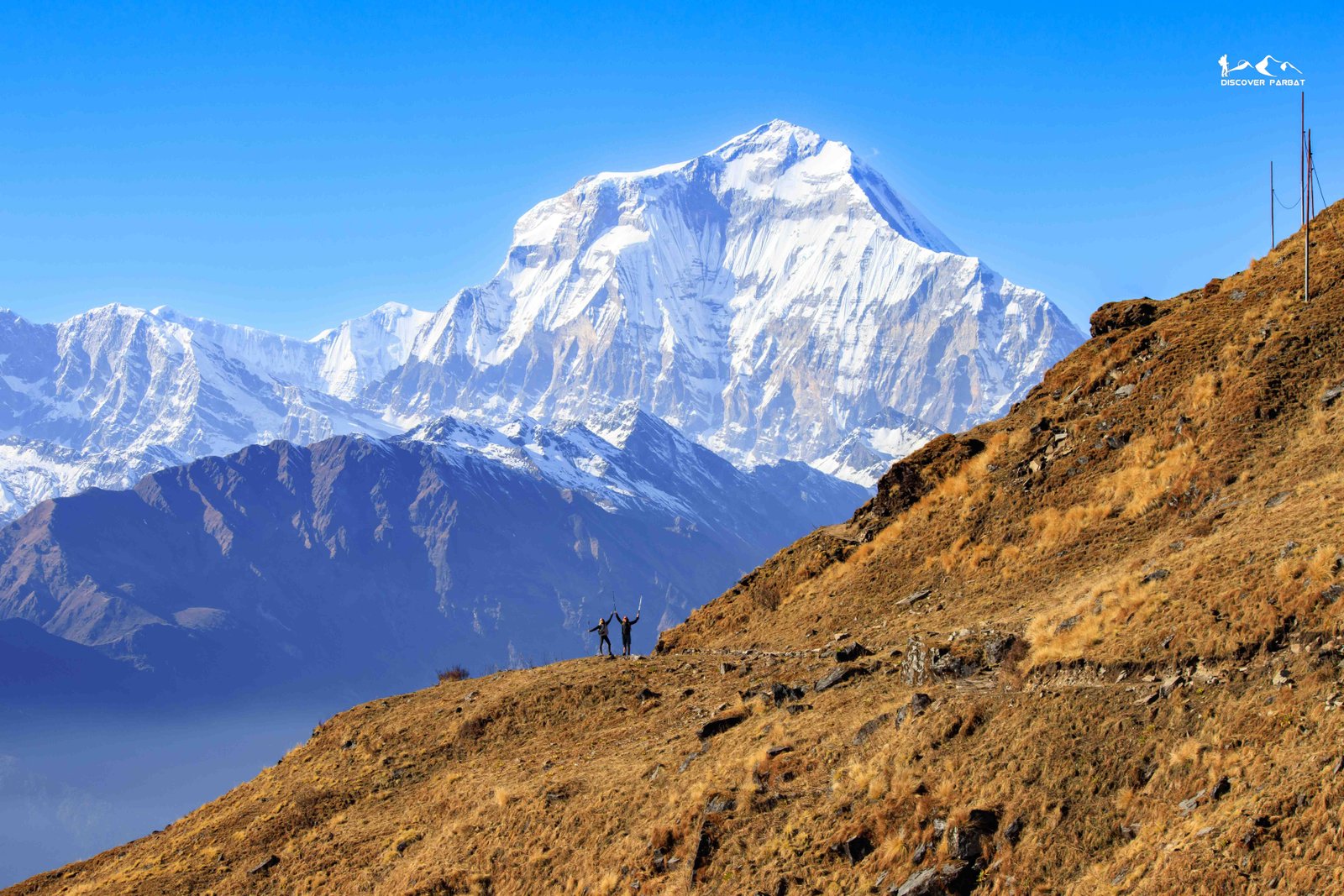
This could be the most crucial detail. You can do it all yourself and there will be nothing missing — the trail will still be there, the view will still be awesome and you will still get there. However, when you walk through a place and don't understand it, it's not the same. But there is a void, a richness to be had in the deeper meaning of the trek, if it will not be, without someone who knows the region, its history, and its people
Is a Guide Mandatory While Trekking in Nepal? (2026 Update)
One question you're bound to have while planning a trip to Nepal is this: do you actually need a guide? The rules have shifted back and forth over the last few years, and there's still a lot of outdated or conflicting information floating around online. Here's the clear, up-to-date answer — and why you should still consider hiring a guide, even where it isn't required.

The Short Answer: No, Not Enforced (As of June 2026)
As of June 2026, hiring a guide is not compulsory for most treks in Nepal. Independent trekkers can still walk popular trails like the Annapurna Circuit, Everest Base Camp, Langtang, and Ghorepani Poon Hill without a licensed guide.
This wasn't always a settled matter. In April 2024, the Trekking Agencies' Association of Nepal (TAAN) and the Nepal Tourism Board (NTB) pushed to make guides compulsory on all trekking routes in the country. The proposal made headlines and caused plenty of confusion among trekkers planning trips, but it was never officially implemented. Solo and self-guided trekking has remained legal and common ever since.
That said, "not mandatory" doesn't mean "not required anywhere." A handful of specific regions still enforce strict rules, and this is where outdated blog posts most often get it wrong.
Where a Guide IS Mandatory: Restricted and Controlled Areas
Nepal maintains a list of restricted and controlled areas, mostly in remote, sensitive, or border-adjacent regions. Trekking here is only allowed with a special permit issued through a registered trekking agency, and that permit comes bundled with a compulsory licensed guide. This isn't a formality — permits simply won't be issued without one.
The treks currently requiring a mandatory guide and agency-arranged permit include:
- Upper Dolpo
- Upper Mustang
- Limi Valley
- Nar Phu Valley
- Kanchenjunga Base Camp
- Manaslu Circuit
- Tsum Valley
If any of these are on your list, there's no need to debate whether to hire a guide — it's already built into the permit process.

Why You Should Still Hire a Guide, Even Where It's Not Required
Here's the part that gets lost in all the talk of rules and regulations: whether a guide is required is a completely different question from whether a guide is worth having. On every trail where the law leaves it up to you, there are still strong practical and experiential reasons to bring one along.
1. A Guide Turns Scenery Into Story
Anyone can walk past a mani wall, a monastery, or a mountain and see something beautiful. A guide explains why it's there — the history behind a village, the meaning of the prayer flags, the legend tied to a particular peak. Without that context, you're walking through a landscape shaped by centuries of culture and only ever seeing the surface of it. A good guide fills in the story the trail can't tell on its own.
2. Local Insight You Can't Get from a Map App
Guides live and breathe these mountains. They can tell you which peak you're looking at, what tomorrow's weather is likely to bring, which teahouse actually has hot water this season, and where the trail forks in ways no GPS shows. It's real-time, on-the-ground knowledge that no offline map or blog post can fully replace.
3. Cultural Access You Wouldn't Get Alone
Much of Nepal's trekking terrain passes through communities with distinct ethnic identities and ways of life — Magar, Sherpa, Gurung, Thakali, and others depending on the region. A guide from, or deeply familiar with, the area can open doors that stay closed to outside trekkers: a conversation with a local elder, an invitation into a home, an explanation of a ritual you happen to witness. Without that bridge, you're mostly watching from the outside.
4. Safety Margins That Matter More Than People Expect
Even on non-restricted routes, Nepal's trails involve altitude, unpredictable weather, and terrain that shifts by season. A guide recognizes the early signs of altitude sickness and knows the nearest safe descent points if plans need to change. Solo trekking is possible, but it also means you're the only line of defense if something goes wrong.
5. A Guide Supports the Local Economy Directly
Trekking guides are often from the very regions you're walking through. Hiring one means your trip directly supports a local livelihood, rather than sending that value entirely to outside businesses. For many communities in trekking regions, guiding work is a significant part of the local economy.
6. The Difference Between "Doing" a Trek and Understanding One
This might be the most important point of all. Trekking without a guide is entirely possible — the trail will still be there, the views will still be stunning, and you'll still reach your destination. But there's a difference between physically completing a trek and actually understanding the place you walked through. Without someone who knows the region, its history, and its people, there's a void where the deeper meaning of the trek would otherwise be. The mountains stay the same either way. What changes is how much of them you actually get to know.

The Bottom Line
As of June 2026, you're legally free to trek independently across most of Nepal, with the exception of restricted areas like Upper Dolpo, Upper Mustang, Limi Valley, Nar Phu Valley, Kanchenjunga Base Camp, Manaslu, and Tsum Valley, where a guide and registered agency are compulsory. But legality aside, a good guide adds something no regulation can require: context, connection, safety, and a far richer understanding of the mountains you've come to see.
If you're trekking in Nepal — restricted region or not — going with a knowledgeable local guide isn't just the safer choice. It's the one that turns a hike into an experience.
Trek Nepal With a Guide Who Knows It Best
At Discover Parbat, our guides aren't just licensed — they're locals who grew up in these hills, know the trails season by season, and carry the stories that turn a walk into a journey. Whether you're heading to the Kokhe Danda Trek or planning a restricted-area expedition like Manaslu or Upper Mustang, we'll match you with a guide who knows the region inside out.
Book Your Trek With a Local GuideExplore All TreksPlanning a trek in Parbat? Tell us your dates and we'll help you choose the right route.
Contact our team